
Consultation Hotline
+1 (302) 618-8777
+1 (302) 618-8777
PRODUCT CATEGORY
Related Articles
Detailed Introduction
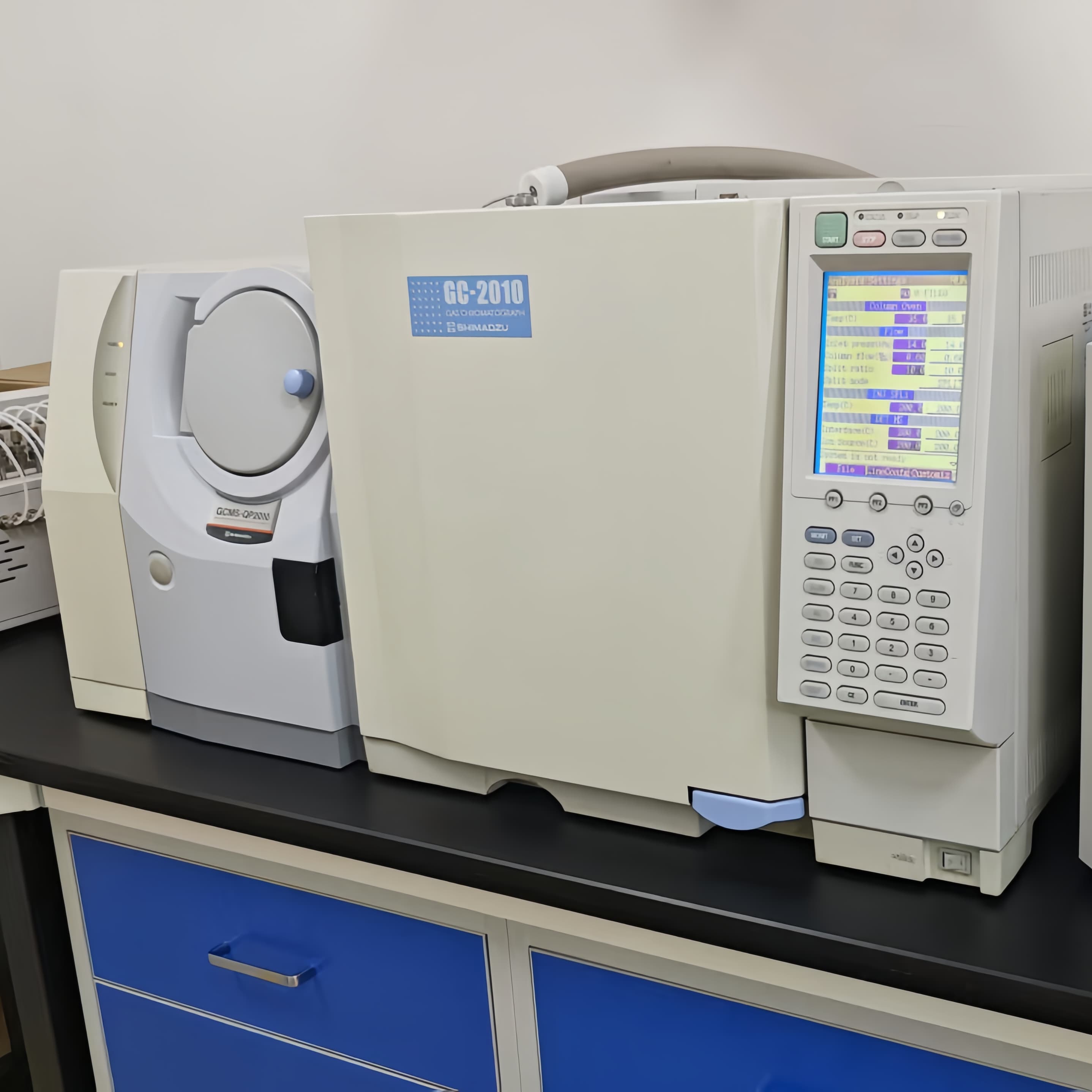
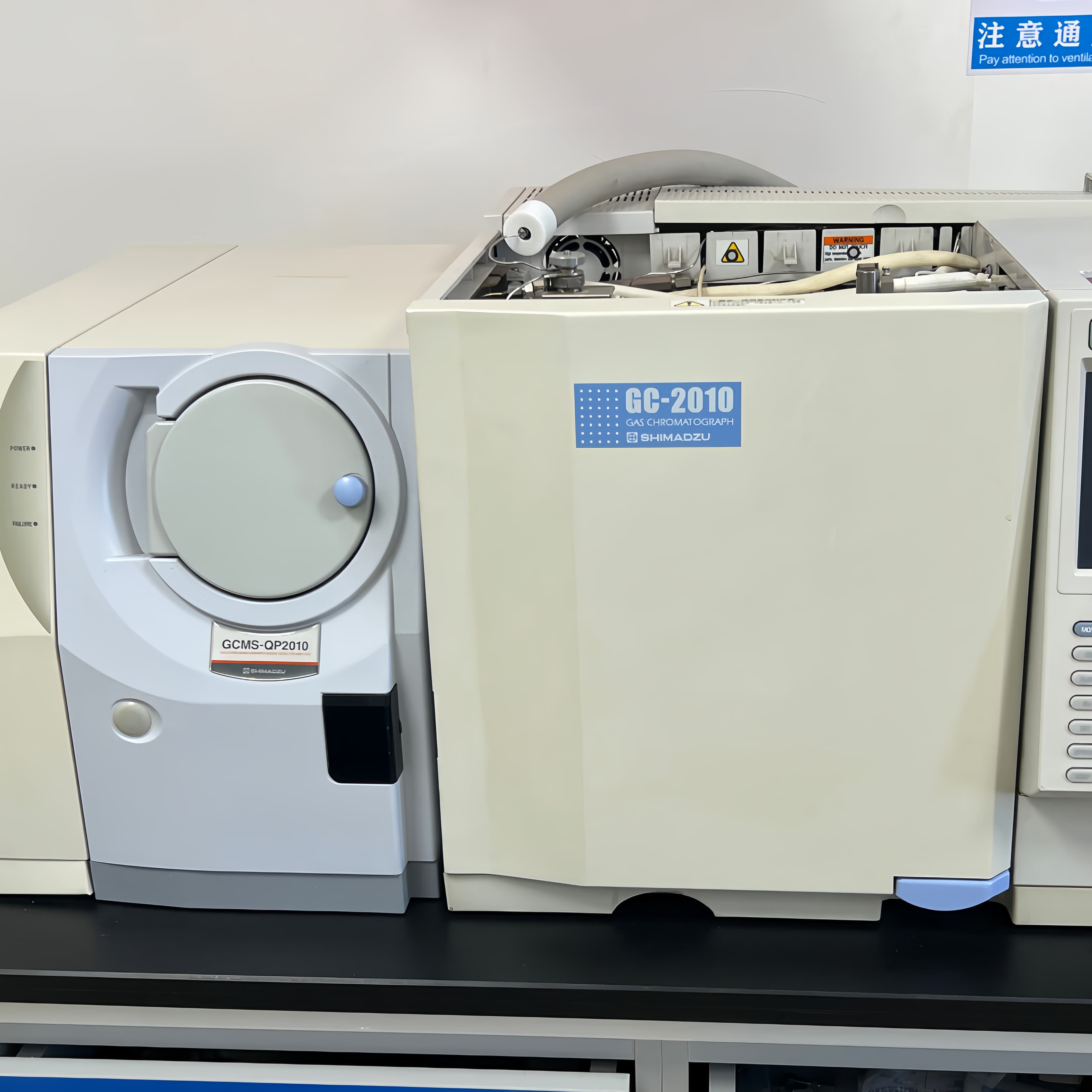
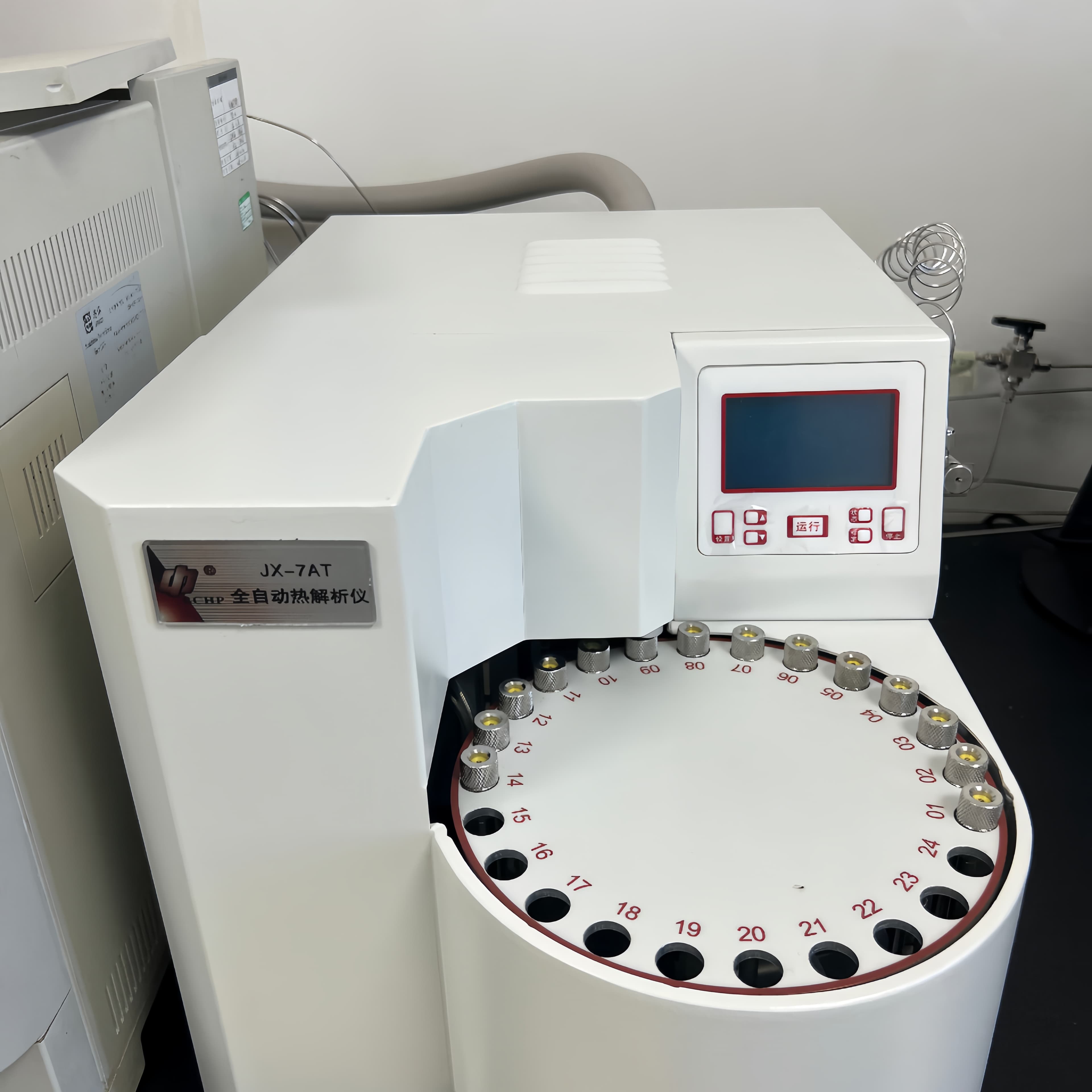
The Shimadzu GC-2010 Pyrolysis Gas Chromatograph-Mass Spectrometer (Py-GC/MS) is a highly specialized and modular analytical platform designed to bridge the gap between macroscopic solid materials and molecular-level chemical identification. This system is fundamentally constructed by integrating a vertical or horizontal micro-furnace pyrolyzer (commonly from Frontier Labs, such as the PY-3030D, or Shimadzu’s own Py-2020iD) directly with the renowned Shimadzu GC-2010 gas chromatograph and a QP2010 series single quadrupole mass spectrometer. Its primary function is to analyze complex, non-volatile, and often insoluble solid samples—such as synthetic polymers, rubber, plastics, paints, fibers, and even biological or archaeological organic residues—without the need for cumbersome solvent extraction or chemical digestion pre-treatment. The working principle relies on thermal decomposition: a minute amount of solid sample (typically 0.1 to 1 mg) is placed in a sample cup and dropped into a pre-heated inert atmosphere (usually Helium) within the pyrolyzer. Within milliseconds, the intense heat (ranging from ambient up to 1050°C depending on the pyrolyzer model) breaks the covalent bonds of the large macromolecules, generating smaller, volatile pyrolysis fragments (pyrolysates). These gaseous products are instantly swept by the carrier gas into the GC-2010’s capillary column for high-resolution separation, and subsequently into the MS ion source for ionization, mass analysis, and identification against spectral libraries like NIST. This "solvent-free" approach not only saves significant preparation time but also avoids the introduction of contaminants and allows for the analysis of samples that are otherwise impossible to examine using standard liquid injection GC-MS.
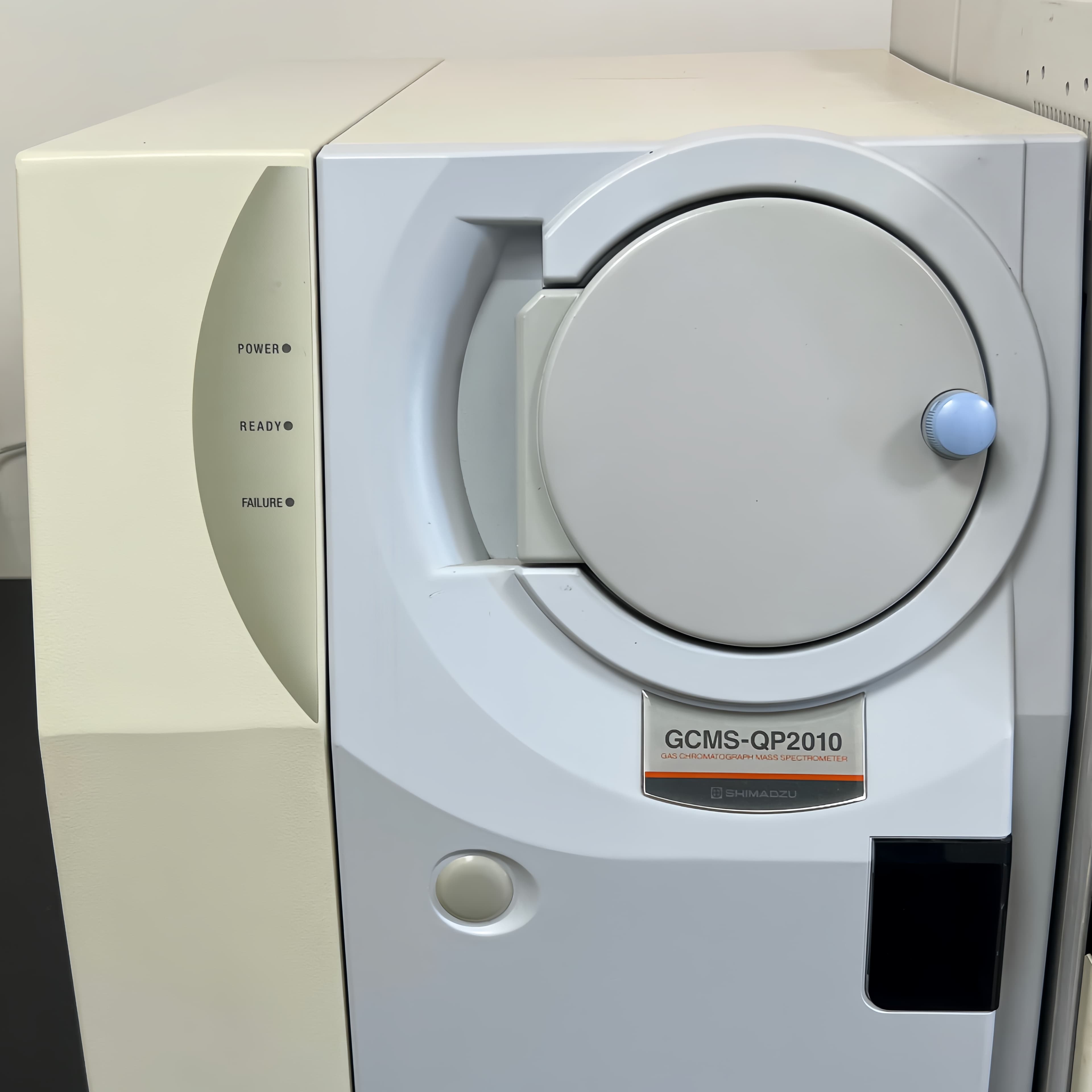
The core strength of the GC-2010 component in this Py-GC/MS configuration lies in its advanced flow control and rapid thermal management capabilities, which are critical for handling the often complex and wide-boiling-range mixture of pyrolysis products. The GC-2010 is equipped with Shimadzu’s proprietary Advanced Flow Controller (AFC), which allows for precise electronic control of carrier gas pressure (up to 970 kPa) and flow rates (up to 1200 mL/min). A standout feature is the "Constant Linear Velocity" control, which maintains a steady optimal carrier gas speed inside the column even during rapid temperature programming, ensuring exceptional retention time reproducibility (a critical factor when comparing pyrograms for fingerprinting materials). The column oven itself supports ultra-fast analysis with a maximum heating rate of 250°C/min and a rapid cooling system (dropping from 450°C to 50°C in approximately 3.4 to 6 minutes), which efficiently clears high-boiling pyrolysates and prepares the system for the next run quickly. The QP2010 mass spectrometer complements this speed with a high scan rate of up to 10,000 amu/sec (or 20,000 amu/sec on Ultra models), ensuring that even narrow chromatographic peaks from fast temperature ramps are accurately captured without loss of spectral quality. The ion source is typically a dual-filament EI (Electron Impact) source, operable up to 300°C, providing stable and library-searchable fragmentation patterns. The interface between the pyrolyzer and the GC inlet is usually a deactivated, inertized liner within a split/splitless injector, often maintained at high temperatures (e.g., 250-300°C) to prevent the condensation of high-boiling pyrolysates before they reach the column. Many modern Py-GC/MS setups also incorporate a cryo-trap (like Frontier’s Micro-Jet Cryo-Trap) at the head of the column to focus the initial broad plug of pyrolysis products, sharpening the peaks and dramatically improving the detection limits for trace additives or specific monomer sequences.
In practical application, the Shimadzu GC-2010 Py-GC/MS is an indispensable tool across a diverse range of scientific and industrial fields, particularly where material composition, quality control, and failure analysis are paramount. In the polymer and plastics industry, it is extensively used for "fingerprinting" resin types, determining copolymer ratios, identifying trace additives (such as plasticizers, antioxidants, UV stabilizers, and flame retardants), and analyzing cross-linked networks or cured rubber formulations. Environmental scientists utilize it to characterize microplastics retrieved from oceans or soils, distinguishing polymer types (e.g., PE, PP, PS, PET, PVC) and assessing their degradation states. In forensic and criminalistics laboratories, it serves as a powerful tool for comparing paint chips, adhesives, fibers, and accelerants, where a simple pyrogram comparison can definitively link a suspect sample to a source. Cultural heritage and archaeology researchers employ Py-GC/MS to non-destructively (or minimally destructively) identify binding media, varnishes, natural resins, waxes, and proteins in historical artifacts, using advanced software like AMDIS and specialized libraries (e.g., F-Search for polymers). For laboratories considering a pre-owned or refurbished Shimadzu GC-2010 Py-GC/MS system, this platform offers exceptional long-term value. The GC-2010 and QP2010 series are legendary for their mechanical robustness and longevity; however, a thorough pre-purchase inspection is advised. Key areas to evaluate include the condition of the pyrolyzer’s furnace and drop mechanism (ensuring precise temperature calibration and smooth sample cup delivery), the performance of the MS turbo molecular pump (checking for excessive noise or inability to reach high vacuum), the emission current and baseline stability of the EI source filaments, and the detector (EM) gain. Verifying the functionality of the AFC pressure transducers and the column oven’s temperature sensors is also crucial. Provided the system passes a performance qualification (PQ) test—typically involving the analysis of a standard polymer like polystyrene to check for characteristic peaks (e.g., styrene monomer, dimer, trimer) with acceptable reproducibility (RSD < 2-3%)—a used GC-2010 Py-GC/MS remains a highly capable, sensitive, and cost-efficient powerhouse for unraveling the chemical mysteries of solid materials.
|
Parameter Category |
Detailed Specifications / Performance |
|---|---|
|
System Type |
Pyrolysis Gas Chromatograph-Mass Spectrometer (Py-GC/MS) |
|
Gas Chromatograph |
Shimadzu GC-2010 (or GC-2010 Plus / Pro) |
|
Mass Spectrometer |
Shimadzu GCMS-QP2010 / QP2010 SE / QP2010 Ultra |
|
Pyrolyzer (Typical) |
Frontier Labs PY-3030D (Multi-Shot) or Shimadzu Py-2020iD |
|
Pyrolysis Temp. Range |
Room Temp +10°C to 1050°C (1°C increments, depends on pyrolyzer) |
|
Pyrolysis Heating Rate |
Max. 600°C/min (or "Flash" heating in ms range) |
|
GC Oven Temp. Range |
Ambient +4°C to 450°C (Optional -50°C with CO2) |
|
GC Oven Max. Ramp Rate |
250°C/min |
|
GC Oven Cooling Rate |
Approx. 3.4 min (450°C to 50°C) or 6 min (300°C to 50°C) |
|
Carrier Gas Control |
Advanced Flow Controller (AFC), Pressure 0-970 kPa, Flow 0-1200 mL/min |
|
Constant Linear Vel. |
Yes (Patented feature for retention time stability) |
|
MS Mass Range |
1.5 to 1024 amu (or 1.5 to 1090 amu) |
|
MS Scan Speed |
Up to 10,000 amu/sec (20,000 amu/sec on Ultra models) |
|
MS Ionization Source |
EI (Electron Impact), Dual Filament, 100-300°C |
|
MS Sensitivity (EI) |
1 pg Octafluoronaphthalene (OFN), S/N ≥ 100 (RMS) or ≥ 60 (typ.) |
|
Injection Interface |
Split/Splitless Inlet with inert liner (directly coupled to pyrolyzer) |
|
Data System |
GCMSsolution or LabSolutions with NIST Library |
|
Typical Sample Amount |
0.1 mg to 1.0 mg (solid) |
|
Key Applications |
Polymers, Plastics, Rubber, Paints, Fibers, Microplastics, Forensics, Art/Archaeology |
|
Dimensions (GC Main) |
Approx. 515 mm (W) x 530 mm (D) x 440 mm (H) |
|
Weight (GC Main) |
Approx. 30 kg (depending on detector/config) |
Product Inquiry