
Consultation Hotline
+1 (302) 618-8777
+1 (302) 618-8777
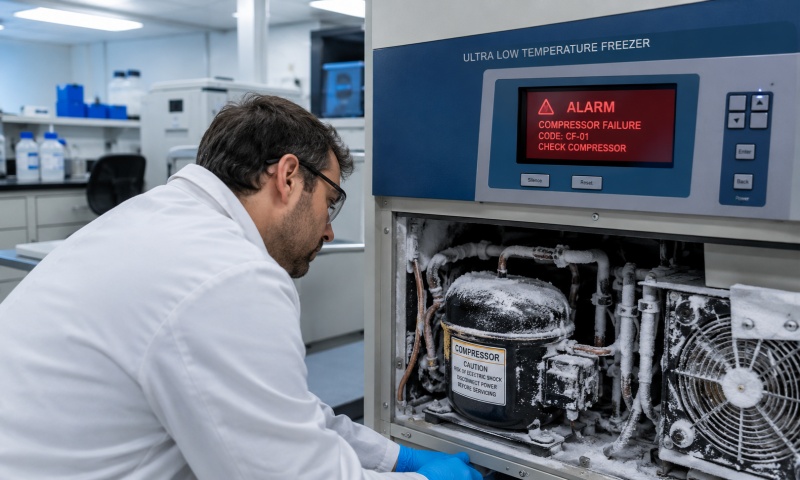
Ultra-low temperature (ULT) freezers, operating at temperatures ranging from –40°C to –86°C, are critical for long-term storage of biological samples, reagents, and sensitive materials. The reliability of these units directly impacts research continuity, sample integrity, and laboratory safety. Among the most crucial components of a ULT freezer is the compressor, responsible for circulating refrigerant and maintaining stable low temperatures. Compressor failure can result in gradual temperature rise, alarm triggers, or complete system shutdown. Understanding the causes, preventive measures, and troubleshooting strategies is essential for laboratory personnel to minimize downtime and avoid sample loss.
1. Overview of ULT Freezer Compressors
ULT freezers typically use hermetically sealed, high-capacity compressors designed to handle extreme temperature differentials. These compressors operate within a closed-loop refrigeration system, which includes evaporators, condensers, expansion valves, and refrigerant lines. The compressor generates the necessary pressure differential to move the refrigerant through the system, enabling efficient heat transfer and maintaining ultra-low temperatures. Modern units may incorporate dual compressors for redundancy, variable-speed operation, or energy-saving modes. Despite their robust design, compressors are subject to mechanical wear, electrical faults, and environmental stress.
2. Common Causes of Compressor Failure
Compressor failures in ULT freezers are usually classified into mechanical, electrical, or operational categories:
Mechanical wear: Over time, moving parts within the compressor, such as pistons, bearings, or valves, may wear out, leading to reduced efficiency, overheating, or seizure. Excessive vibration or improper mounting can accelerate wear.
Electrical faults: Issues such as blown fuses, tripped circuit breakers, short circuits, or damaged wiring can prevent the compressor from starting or operating correctly. Faulty control boards or sensors may also disrupt power delivery.
Refrigerant-related problems: Low refrigerant levels due to leaks or improper charging can cause compressor overload. Overpressurization from blockages or contamination can similarly lead to failure.
Environmental and operational stress: High ambient temperatures, blocked ventilation, dust accumulation, or repeated rapid defrost cycles may increase compressor workload, leading to premature failure. Improper voltage supply or frequent power fluctuations can also damage compressor components.
3. Diagnosing Compressor Issues
Accurate diagnosis is critical to avoid unnecessary downtime and repair costs. Signs of compressor failure include:
Unusual noise: Clicking, rattling, or humming beyond normal operational sounds.
Inconsistent temperature: Slow warming of the chamber or inability to reach setpoints.
System alarms: Visual or audible alerts indicating high-pressure, low-pressure, or sensor faults.
No compressor operation: Lack of vibration or heat from the compressor body, confirmed visually or via multimeter testing.
Before intervention, verify basic conditions such as power supply, fuse integrity, and ambient ventilation. Document all observed symptoms and prior operational history for technician support or warranty claims.
4. Immediate Preventive Actions
When compressor issues are suspected, take immediate steps to protect samples and stabilize the system:
Transfer critical samples to a backup ULT freezer or temporary storage with dry ice.
Avoid repeated attempts to restart a non-functioning compressor, which can cause further damage.
Check airflow around the freezer; ensure vents are unobstructed and dust-free.
Monitor internal temperature with an independent probe if possible.
These measures reduce the risk of sample compromise while preparing for repair.
5. Technical Troubleshooting Steps
Professional intervention is recommended for most compressor repairs, as handling refrigerants and high-voltage components requires certification. Common troubleshooting steps include:
Electrical assessment: Measure voltage at the compressor terminals, check for blown fuses, and inspect wiring for visible damage.
Compressor relay and overload inspection: Many ULT freezers incorporate start relays or overload protectors that can fail independently. Replacing these components may restore operation without a full compressor swap.
Refrigerant and pressure check: Low refrigerant or blockages in the refrigeration loop can be diagnosed using pressure gauges and leak detection. Recharging or repairing leaks should be performed by certified technicians.
Thermal protection and sensor evaluation: Temperature sensors, thermistors, or defrost thermostats that signal compressor shutdown should be inspected. Faulty readings can prevent compressor engagement even when the mechanical unit is functional.
6. Long-Term Preventive Measures
Reducing compressor stress improves lifespan and prevents recurrence of failures:
Maintain adequate clearance around the freezer for airflow and heat dissipation.
Regularly clean condenser coils and fans to prevent dust accumulation and overheating.
Ensure stable electrical supply with surge protection or voltage regulators.
Schedule preventive maintenance, including system refrigerant checks, compressor oil evaluation, and mechanical inspection.
Minimize frequent door openings and rapid defrost cycles, which increase compressor workload.
Implementing these measures can extend compressor life by several years and ensure sample safety.
7. Repair and Replacement Considerations
In cases of severe mechanical failure, compressor replacement may be necessary. Key considerations include:
Matching the compressor model and capacity to the original unit to maintain performance specifications.
Ensuring proper evacuation and recovery of refrigerant during replacement, in compliance with environmental regulations.
Verifying system integrity after installation, including leak testing, pressure calibration, and temperature stabilization.
Collaboration with certified service providers is essential to maintain warranty coverage and operational safety.
8. Case Study: Compressor Overload Due to Blocked Condenser
A common real-world scenario involves compressor failure caused by blocked airflow at the condenser. In this case, a ULT freezer in a research lab experienced slow temperature recovery and unusual humming sounds. Inspection revealed dust accumulation behind the condenser coils. After cleaning and restoring airflow, the compressor returned to normal operation without requiring replacement. This highlights the importance of routine maintenance and environmental monitoring.
9. Documentation and Laboratory Protocols
Maintaining accurate records of compressor performance, service events, and failures is critical for lab management. Include:
Date and nature of observed issues
Steps taken for troubleshooting
Temperature logs during compressor downtime
Technician reports and parts replaced
These records help identify recurring problems, support warranty claims, and inform preventive maintenance schedules.
10. Conclusion
Compressor failures in ultra-low temperature freezers pose significant risks to laboratory operations, but they can be managed effectively with systematic troubleshooting, preventive maintenance, and professional intervention. By understanding the mechanical and electrical factors that contribute to failure, laboratory personnel can implement strategies to minimize downtime, protect valuable samples, and maintain reliable ultra-low temperature storage. Regular maintenance, proper environmental control, and timely response to early warning signs are essential for extending the service life of ULT freezers and ensuring uninterrupted laboratory research.