
Consultation Hotline
+1 (302) 618-8777
+1 (302) 618-8777
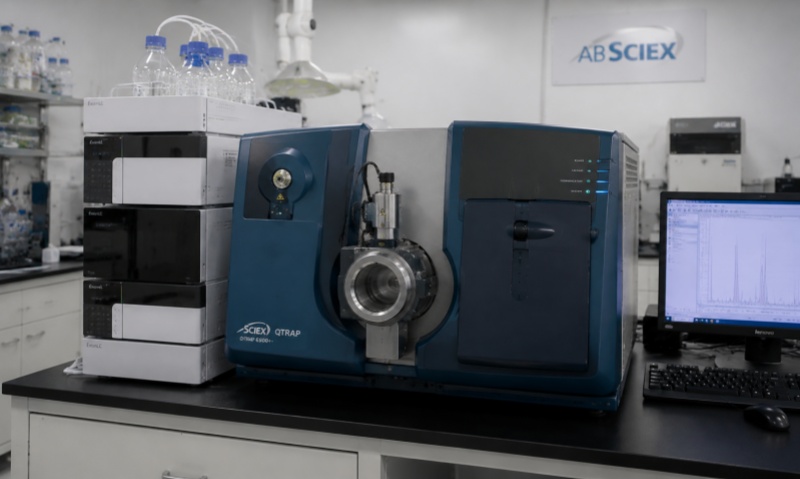
Micropipettes are essential precision instruments widely used in molecular biology, clinical laboratories, pharmaceutical research, and chemical analysis. They are designed for accurately transferring small volumes of liquid, usually ranging from microliters (μL) to milliliters (mL). Proper operation and regular maintenance are critical to ensuring measurement accuracy, reducing experimental errors, and extending the service life of the instrument.
Before using a micropipette, users should select the appropriate model according to the required volume range. Each micropipette has a specific operating range, and using a pipette outside its designed range may reduce accuracy and damage internal components.
Before aspiration, install a suitable disposable tip firmly onto the pipette shaft. Make sure the tip is correctly attached to prevent air leakage and liquid dripping. For high-precision applications, it is recommended to use compatible high-quality tips from reliable suppliers.
During operation, hold the micropipette vertically and press the plunger slowly and smoothly. Avoid sudden movements, as rapid aspiration may cause bubbles or inaccurate liquid volume. When dispensing liquid, touch the tip against the inner wall of the receiving container and slowly release the plunger to ensure complete transfer.
The liquid aspiration process generally includes two plunger positions:
First stop: Used for aspirating the preset volume of liquid. Press the plunger to the first stop before inserting the tip into the liquid. Slowly release the plunger to allow the liquid to enter the tip smoothly.
Second stop: Used for complete dispensing. After reaching the first stop, press further to the second stop to remove any remaining liquid inside the tip.
When taking liquid, the tip should be immersed at an appropriate depth. For small-volume pipettes, excessive immersion may cause liquid contamination or inaccurate measurement. Keep the pipette vertical during aspiration and avoid touching the container wall or bottom.
For viscous liquids, volatile solvents, or liquids with high surface tension, special techniques such as reverse pipetting may be required to improve accuracy.
Regular maintenance is necessary to maintain micropipette performance. After each use, remove the disposable tip immediately to prevent liquid from entering the pipette body. Never store a micropipette with liquid remaining inside the tip.
The external surface should be cleaned regularly with a soft cloth and appropriate disinfectant. Avoid using strong corrosive chemicals that may damage the housing or internal sealing components.
The piston, O-ring, and sealing system are key precision parts. If the pipette becomes difficult to operate, leaks liquid, or shows inaccurate volume delivery, these components should be inspected and replaced if necessary.
For laboratories with frequent use, calibration should be performed regularly according to application requirements. Professional calibration can verify volume accuracy and ensure compliance with laboratory quality standards.
Users should avoid dropping micropipettes or applying excessive force to the plunger. Mechanical shocks can affect internal accuracy. Different liquids should use dedicated tips to prevent cross-contamination.
Before precision experiments, it is recommended to pre-wet the tip by aspirating and dispensing the same liquid several times. This helps stabilize liquid temperature and improves measurement consistency.
A micropipette is a high-precision laboratory tool that requires correct operation and regular care. Proper liquid aspiration techniques, routine cleaning, and periodic calibration can significantly improve accuracy and reliability. By following standardized operating procedures, laboratories can reduce experimental errors and ensure stable results in scientific research and analytical testing.