
Consultation Hotline
+1 (302) 618-8777
+1 (302) 618-8777
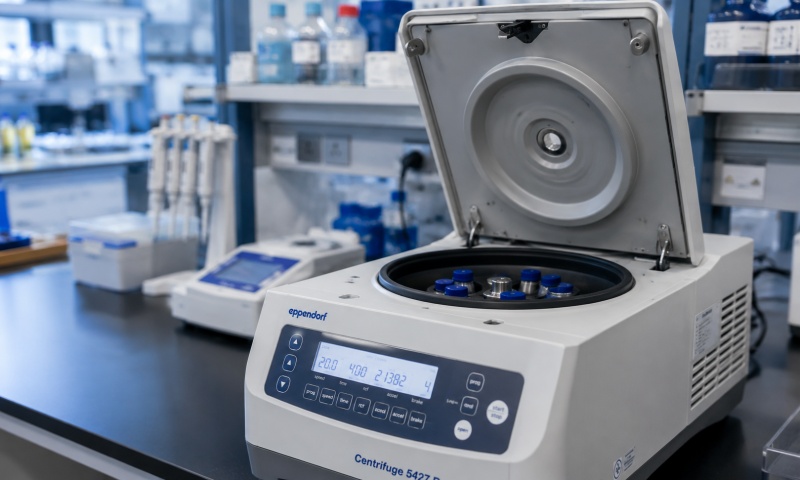
A headspace sampler is an important auxiliary device used in gas chromatography (GC) and gas chromatography-mass spectrometry (GC-MS) analysis. It is widely applied in food safety testing, environmental monitoring, pharmaceutical analysis, petrochemical research, and volatile organic compound (VOC) detection. By collecting gas-phase components from the headspace above a sample, the instrument reduces interference from complex sample matrices and improves analytical accuracy and efficiency. Correct operation and regular maintenance are essential to ensure reliable results and stable instrument performance.
Before operating a headspace sampler, users should check all instrument connections, including the power supply, carrier gas lines, communication cables, sample transfer line, and connection with the GC system. Confirm that all components are properly installed and functioning normally.
According to the analytical method requirements, appropriate parameters should be set, including incubation temperature, equilibration time, agitation mode, injection time, and transfer line temperature. These parameters directly affect the release and transfer efficiency of volatile compounds.
During sample preparation, high-quality headspace vials, caps, and septa should be selected to ensure good sealing performance. Poor sealing can cause volatile compounds to escape, resulting in low response signals and poor reproducibility. The sample volume should be controlled properly to prevent liquid contamination of the injection needle or transfer line.
Before starting the analysis, confirm that the sample sequence and vial positions match the instrument program. During operation, avoid opening the heating area frequently, as sudden temperature changes may affect equilibration stability. After analysis, remove residual samples and clean the sample area to prevent contamination.
Possible Causes:
Insufficient sample equilibration
Incorrect heating temperature
Short incubation time
Poor vial sealing
Blocked or contaminated injection needle
Solutions:
Check the sealing condition of the sample vial and replace damaged septa or caps. Adjust incubation temperature and equilibration time according to sample characteristics. Inspect the injection needle and clean or replace it if necessary.
Because headspace sampling relies on stable gas flow and pressure, leakage can cause unstable analysis results.
Solutions:
Check all gas connections, fittings, and seals. Tighten loose connections and replace aging tubing or damaged sealing components. Leak testing should be performed regularly to ensure system integrity.
Temperature instability may occur due to heater failure, temperature sensor problems, or control system errors.
Solutions:
Check the heating module, temperature sensor, and electrical connections. Ensure that the instrument has sufficient ventilation and that cooling conditions are normal. If temperature fluctuations continue, professional inspection may be required.
Possible Causes:
Mechanical blockage
Contamination of moving parts
Drive motor malfunction
Solutions:
Turn off the instrument and inspect the mechanical movement system. Remove dust or sample residues from moving parts and perform proper maintenance according to the manufacturer’s recommendations.
Regular maintenance is necessary to keep a headspace sampler operating efficiently. Important inspection areas include the injection needle, sample tray, heating positions, transfer line, gas pathway, and sealing components.
For laboratories analyzing VOCs or complex samples, regular blank tests should be performed to check for carryover contamination. The system should also be calibrated periodically to verify temperature accuracy, injection repeatability, and gas flow stability.
Operators should follow the manufacturer’s maintenance schedule and replace consumable parts such as septa, seals, and tubing when required. Preventive maintenance can significantly reduce unexpected downtime and extend the service life of the instrument.
A headspace sampler plays a critical role in modern GC and GC-MS analysis. Proper operation, correct parameter settings, and regular maintenance are key factors in achieving accurate and reproducible analytical results. By understanding common instrument faults and applying effective troubleshooting methods, laboratory users can improve instrument reliability, reduce maintenance costs, and ensure continuous high-quality analytical performance.