
Consultation Hotline
+1 (302) 618-8777
+1 (302) 618-8777
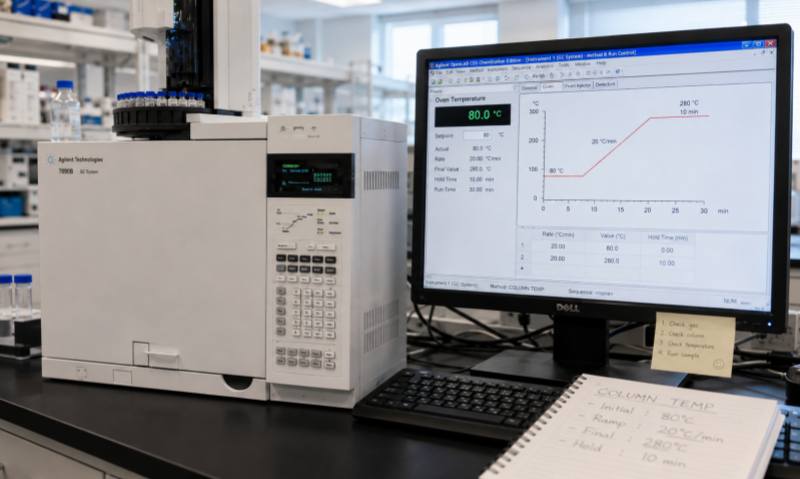
An oscilloscope is a widely used electronic measuring instrument in laboratories, research institutions, industrial testing, and engineering development. It is mainly used to observe voltage waveforms, measure signal frequency, amplitude, phase, and analyze circuit performance. Due to long-term operation, environmental factors, or improper use, oscilloscopes may experience various faults that affect measurement accuracy. Understanding common problems and troubleshooting methods can help users quickly restore normal operation and improve work efficiency.
When an oscilloscope fails to start, the first step is to check the external power supply.
Possible causes:
Damaged power cable or loose connection
Blown internal fuse
Power supply module failure
Internal circuit short circuit
Troubleshooting methods:
Check whether the power outlet and cable are functioning properly. Confirm that the power switch operates normally. If the instrument remains inactive, inspect the fuse according to the manufacturer’s maintenance instructions. For internal power supply failures, such as abnormal voltage output or damaged components, professional repair is recommended.
A common problem is that the oscilloscope powers on normally but does not display the expected waveform.
Possible causes:
Incorrect probe connection
Wrong channel settings
Improper voltage range or time base settings
Faulty probe or input circuit
Solutions:
First, check whether the probe is correctly connected to the input channel and whether the probe attenuation setting matches the oscilloscope configuration. Verify that the correct channel is enabled and adjust the vertical scale and horizontal time base settings.
Users can connect the probe to the built-in calibration signal output of the oscilloscope. If the calibration waveform appears normally, the instrument is working properly and the problem may come from the external signal source or wiring.
Waveform distortion or unstable signals can significantly affect measurement results.
Common causes:
Poor grounding
Excessive electrical interference
Incorrect trigger settings
Damaged probe
Troubleshooting methods:
Check the grounding connection between the oscilloscope and the tested circuit. Use proper shielding methods to reduce electromagnetic interference. Adjust trigger level, trigger mode, and trigger source settings to stabilize the waveform.
If waveform distortion continues, inspect the probe cable, probe tip, and compensation adjustment. A poorly compensated probe can introduce signal distortion, especially during high-frequency measurements.
If measured voltage, frequency, or timing values differ significantly from expected values, calibration and setup should be checked.
Possible causes:
Probe attenuation error
Instrument calibration deviation
Incorrect measurement settings
Aging internal components
Solutions:
Perform probe compensation adjustment before measurement. Confirm that measurement units, channel parameters, and sampling settings are correct. For high-precision applications, regular calibration should be performed by qualified service personnel.
Modern digital oscilloscopes often include USB, LAN, or other communication interfaces.
Possible causes:
Incorrect driver installation
Communication setting errors
Damaged interface ports
Software compatibility issues
Solutions:
Check communication settings and reinstall necessary drivers. Test with another cable or interface port. If the hardware interface is damaged, professional maintenance may be required.
To ensure stable oscilloscope performance, users should keep the instrument in a clean and dry environment. Avoid placing the oscilloscope near strong electromagnetic interference sources or excessive heat. Regularly clean the display, control panel, and ventilation openings.
The probe is a precision accessory and should be handled carefully. Avoid excessive bending of probe cables and replace damaged probes promptly. Periodic calibration helps maintain measurement accuracy and reliability.
Oscilloscope faults are usually related to power supply, signal connection, settings, probes, or internal electronic components. By following systematic troubleshooting procedures, users can quickly identify the source of problems and take appropriate corrective actions. Proper operation, regular maintenance, and timely calibration are essential for ensuring long-term accuracy and reliable performance of laboratory oscilloscopes.