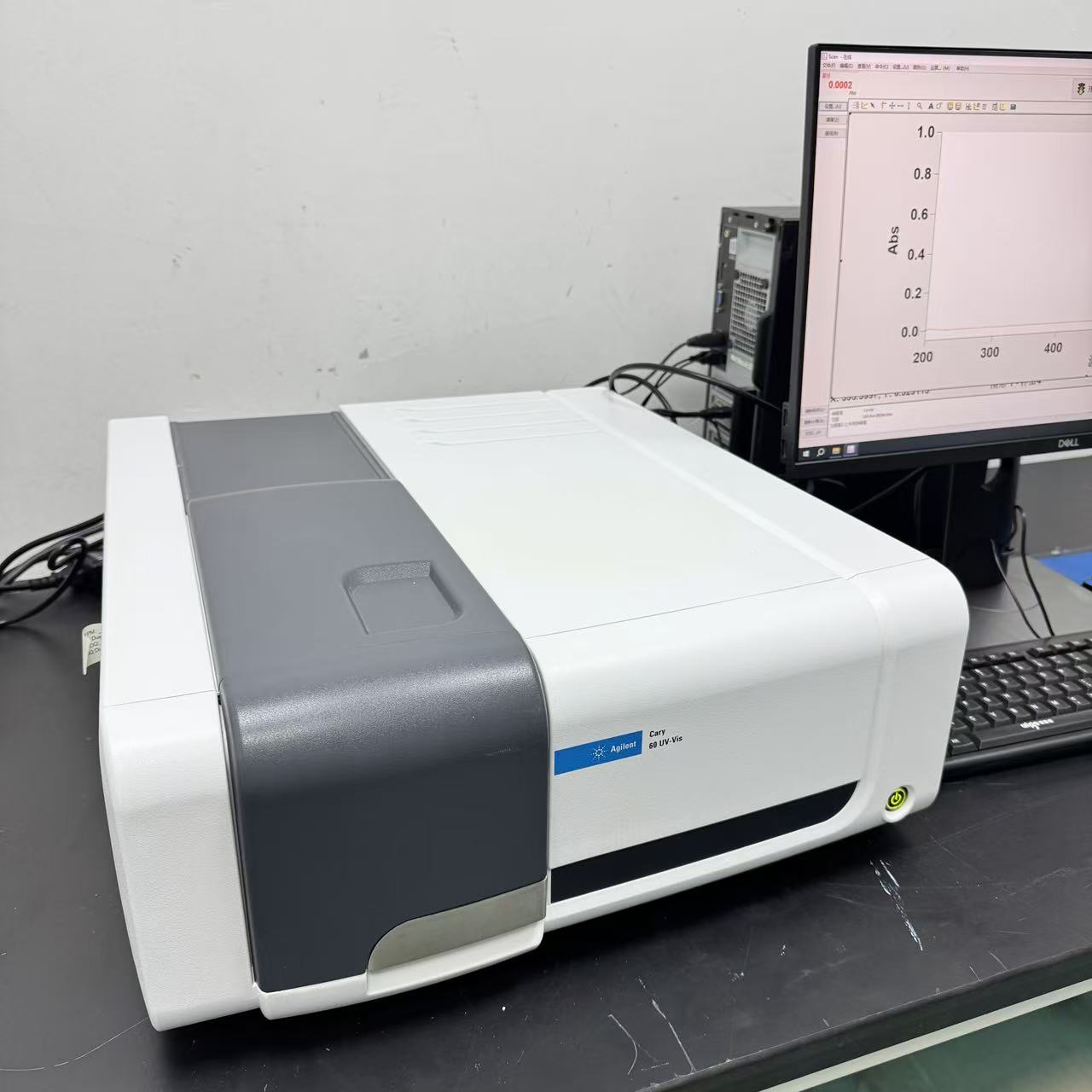
UV aging test chambers are key equipment used to simulate the aging effect of natural ultraviolet (UV) radiation on materials, widely applied in industries such as plastics, coatings, rubber, textiles, and electronics. They accelerate the aging process of materials by emitting UV light (simulating sunlight), combined with humidity and temperature control, to evaluate the durability, color fastness, and mechanical properties of materials. Due to long-term high-load operation, complex working conditions, and frequent switching of UV lamps, temperature, and humidity systems, UV aging test chambers are prone to various faults. These faults not only affect the test progress but also lead to inaccurate test results, failing to reflect the actual aging performance of materials. This article summarizes the most common faults of UV aging test chambers, analyzes their causes in detail, and provides corresponding troubleshooting methods, with a total of about 1000 words, serving as a practical reference for equipment operators and maintenance personnel.
1. UV Lamps Fail to Light or Light Unstable
UV lamps are the core components of UV aging test chambers, and their normal operation directly determines the test effect. The most common fault is that the UV lamps fail to light, light flickering, or suddenly go out during operation. The main causes include unstable power supply, damaged lamp holders, aging or burnout of UV lamps, and faulty ballasts or triggers.
Troubleshooting steps: First, check the power supply voltage to ensure it meets the equipment requirements (usually 220V or 380V) and the power switch is in good condition. Second, inspect the lamp holder for looseness, corrosion, or poor contact; clean the lamp holder with anhydrous ethanol and reinsert the UV lamp firmly. Third, check the service life of the UV lamp—generally, the service life of UV lamps is 1000-2000 hours; if the lamp is blackened at both ends or the light intensity is significantly reduced, replace it with a new lamp of the same model. Finally, check the ballast and trigger; if there is a burnout or short circuit, replace the faulty components in time.
2. Insufficient UV Light Intensity
Insufficient UV light intensity is a common fault that leads to slow material aging and inaccurate test results. It is mainly manifested in that the measured light intensity is lower than the set value (usually 0.5-1.5 W/m²) and cannot meet the test standard requirements.
Common causes: Long-term use of UV lamps leads to attenuation of light intensity; the lamp surface is contaminated by dust, dirt, or material residues, affecting light transmission; the light intensity sensor is faulty or contaminated, resulting in inaccurate detection; the distance between the UV lamp and the test sample is too large. Troubleshooting: Replace the aged UV lamps; wipe the lamp surface with a soft, lint-free cloth dipped in anhydrous ethanol to remove contaminants; clean or calibrate the light intensity sensor; adjust the height of the lamp holder to ensure the distance between the lamp and the sample meets the test requirements (usually 50-100mm).
3. Temperature Control Failure
UV aging test chambers usually require stable temperature control (general test temperature is 40-60℃) to simulate the actual environmental temperature. Temperature control failure is mainly manifested in failure to reach the set temperature, large temperature fluctuation, or constant high/low temperature.
Main causes: Malfunction of the temperature sensor (thermocouple or PT100 sensor), leading to inaccurate temperature detection; damage or aging of the heating tube, resulting in insufficient heating capacity; blockage of the air circulation system (fan or air filter), leading to uneven temperature distribution; failure of the temperature controller, resulting in incorrect control signals. Troubleshooting: Calibrate the temperature sensor, replace it if it is damaged; check the heating tube, replace it if it is burned out; clean the air filter and fan to ensure smooth air circulation; check the temperature controller, reset the parameters or replace it if there is a fault.
4. Humidity Control Abnormality
Many UV aging test chambers are equipped with a humidity control function to simulate the effect of rain or dew on material aging. Humidity control abnormality is manifested in failure to reach the set humidity, excessive humidity fluctuation, or no humidity output.
Common causes: Insufficient water level in the water tank, leading to insufficient humidification capacity; blockage of the humidifier nozzle or pipeline, affecting water mist output; damage of the humidity sensor, resulting in inaccurate humidity detection; failure of the humidifier pump, leading to inability to supply water. Troubleshooting: Add distilled water to the water tank to the standard level; clean the humidifier nozzle and pipeline to remove scale and blockages; calibrate or replace the humidity sensor; check the humidifier pump, repair or replace it if it is faulty.
5. Abnormal Noise or Vibration
During the operation of the UV aging test chamber, abnormal noise or vibration not only affects the working environment but also may indicate equipment component failure. The main causes include loose or worn fan bearings, unbalanced fan impellers, loose screws of the equipment body, or uneven placement of the equipment.
Troubleshooting: Check the fan bearings, add lubricating oil if they are worn, and replace the fan if necessary; adjust the fan impeller to ensure balance; tighten all loose screws on the equipment body; adjust the feet of the equipment to ensure it is placed stably on a flat surface.
In conclusion, the common faults of UV aging test chambers are mainly concentrated in the UV lamp system, temperature control system, humidity control system, and air circulation system. Operators should regularly inspect the equipment, master the common fault troubleshooting methods, and deal with faults in a timely manner to ensure the normal operation of the equipment. At the same time, standardized operation and regular maintenance (such as cleaning UV lamps, replacing filters, and checking components) can effectively reduce the occurrence of faults, extend the service life of the equipment, and ensure the accuracy and reliability of test results.