
Consultation Hotline
+1 (302) 618-8777
+1 (302) 618-8777
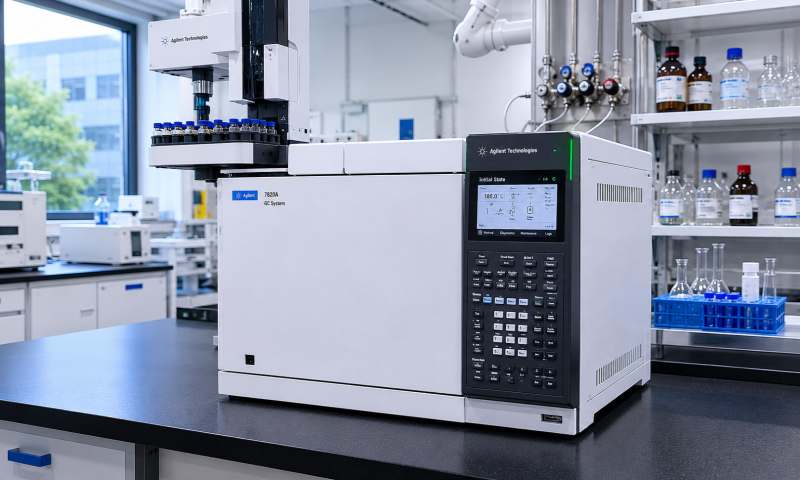
Gas chromatography-mass spectrometry (GC-MS) is a highly sensitive analytical technique widely used in environmental testing, pharmaceutical analysis, food safety, petrochemical research, forensic science, and chemical identification. By combining the separation capability of gas chromatography with the identification power of mass spectrometry, GC-MS provides accurate qualitative and quantitative analysis of complex samples. However, due to its high sensitivity and complex structure, proper operation and maintenance are essential to ensure reliable analytical results. The following three aspects require special attention during GC-MS operation.
The quality of carrier gas has a direct impact on GC-MS performance. High-purity gases, such as helium or hydrogen depending on the system configuration, should be used to minimize background noise and contamination. Impurities in carrier gas, including oxygen, moisture, and hydrocarbons, may contaminate the column, ion source, and detector, resulting in increased baseline noise, reduced sensitivity, and unstable signals.
Gas supply pressure and flow rate should also be carefully controlled. Incorrect carrier gas flow can affect chromatographic separation, retention times, and peak resolution. Regular inspection of gas cylinders, regulators, filters, and gas lines helps prevent leaks and maintains stable instrument performance. Installing appropriate gas purification traps can further protect sensitive GC-MS components from contamination.
Sample quality is one of the most important factors affecting GC-MS analysis. Impurities, excessive sample concentration, or unsuitable solvents can cause contamination of the injection port, GC column, ion source, and mass analyzer. Contaminated components may lead to ghost peaks, higher background signals, poor peak shapes, and inaccurate quantitative results.
Before injection, samples should be properly prepared through filtration, dilution, extraction, or purification when necessary. The sample solvent should be compatible with the GC column and analytical method. Avoiding excessive injection volume is also important because overloaded samples can damage column performance and reduce separation efficiency. Using clean vials, high-quality solvents, and appropriate sample handling procedures can significantly reduce contamination risks.
Regular maintenance is essential for maintaining GC-MS accuracy and extending instrument lifetime. The injection port liner, septum, column, ion source, and vacuum system should be inspected and cleaned according to usage frequency. Aging septa and dirty liners may introduce contaminants and affect injection reproducibility. The GC column should be properly conditioned and replaced when performance degradation occurs.
The mass spectrometer vacuum system requires special attention because stable vacuum conditions are necessary for effective ion transmission and detection. Monitoring vacuum pressure, tuning performance, and calibration results can help identify potential problems before they affect analysis. Routine system tuning and performance verification ensure accurate mass identification and consistent sensitivity.
In conclusion, successful GC-MS operation depends on three key factors: maintaining high-quality carrier gas conditions, ensuring proper sample preparation, and conducting regular instrument maintenance. By following standardized operating procedures and preventive maintenance strategies, laboratories can achieve higher analytical accuracy, improved instrument stability, and longer service life of GC-MS systems.