
Consultation Hotline
+1 (302) 618-8777
+1 (302) 618-8777
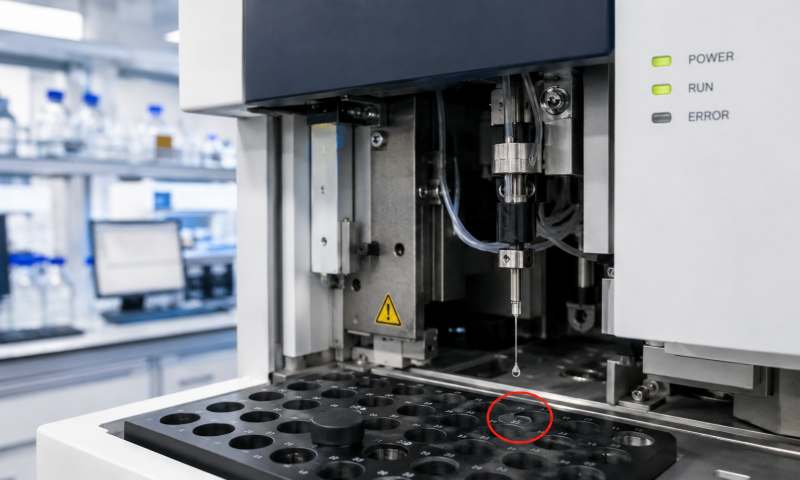
Gas chromatography (GC) is one of the most widely used analytical technologies in modern testing centers. It provides high sensitivity, excellent separation capability, and reliable quantitative analysis for volatile and semi-volatile compounds. Testing centers in industries such as environmental monitoring, food safety, pharmaceuticals, chemicals, petrochemicals, and quality control rely on gas chromatographs to perform accurate analytical measurements. However, selecting the right GC system requires careful consideration of application requirements, instrument configuration, operating costs, and future development needs.
Before purchasing a gas chromatograph, testing centers should first clarify their analytical objectives. Different industries require different GC configurations. For example, environmental laboratories may focus on VOCs, pesticides, and pollutants, while food testing laboratories may analyze fatty acids, flavors, additives, and contaminants.
The types of samples, target compounds, detection limits, and required throughput should be evaluated. Understanding these factors helps determine the appropriate GC model, injection system, column type, and detector configuration. Purchasing an instrument with excessive specifications may increase costs, while an insufficient configuration may limit future testing capabilities.
The detector is one of the most important components of a gas chromatograph. Testing centers should select detectors according to analytical requirements.
Flame Ionization Detector (FID): Suitable for hydrocarbons and organic compounds, offering high sensitivity and stability.
Thermal Conductivity Detector (TCD): A universal detector commonly used for permanent gases and inorganic compounds.
Electron Capture Detector (ECD): Ideal for halogenated compounds, pesticides, and environmental pollutants.
Nitrogen Phosphorus Detector (NPD): Designed for nitrogen- and phosphorus-containing compounds.
Mass Spectrometry Detector (GC-MS): Provides structural identification and high analytical accuracy, widely used for complex sample analysis.
For comprehensive testing centers, a GC system with multiple detector options or GC-MS capability can provide greater flexibility.
Instrument performance directly affects testing accuracy and laboratory efficiency. Important technical parameters include temperature control accuracy, heating rate, retention time stability, sensitivity, detection limits, and system reproducibility.
A high-quality gas chromatograph should provide stable operation during long-term testing. Testing centers should evaluate instrument reliability, software performance, automation functions, and compatibility with laboratory information management systems (LIMS).
The sample introduction system determines analysis efficiency and application range. Common options include split/splitless injectors, programmable temperature vaporizing (PTV) injectors, headspace samplers, thermal desorption systems, and autosamplers.
For laboratories handling large sample volumes, an automatic sampler can significantly improve productivity and reduce human error. For volatile compounds or complex matrices, specialized introduction systems may provide better analytical performance.
A gas chromatograph is a long-term investment, and after-sales support is critical. Before purchase, testing centers should evaluate the supplier’s technical service capability, response time, training programs, and availability of spare parts.
Regular maintenance, including injector cleaning, liner replacement, column conditioning, detector inspection, and software updates, is essential for maintaining instrument performance. A supplier with strong technical support can reduce downtime and improve laboratory efficiency.
The purchase price is only part of the overall investment. Testing centers should consider operating costs, including carrier gases, consumables, columns, maintenance, and replacement parts.
Energy consumption, ease of operation, and instrument durability also influence long-term costs. In some cases, a refurbished or professionally upgraded gas chromatograph can provide a cost-effective solution while maintaining reliable analytical performance.
Selecting a gas chromatograph requires comprehensive evaluation of analytical needs, detector options, instrument performance, service support, and long-term operating costs. A properly selected GC system can improve testing accuracy, expand laboratory capabilities, and increase operational efficiency. For testing centers, careful planning before purchase is the key to achieving reliable analytical results and maximizing investment value.