
Consultation Hotline
+1 (302) 618-8777
+1 (302) 618-8777
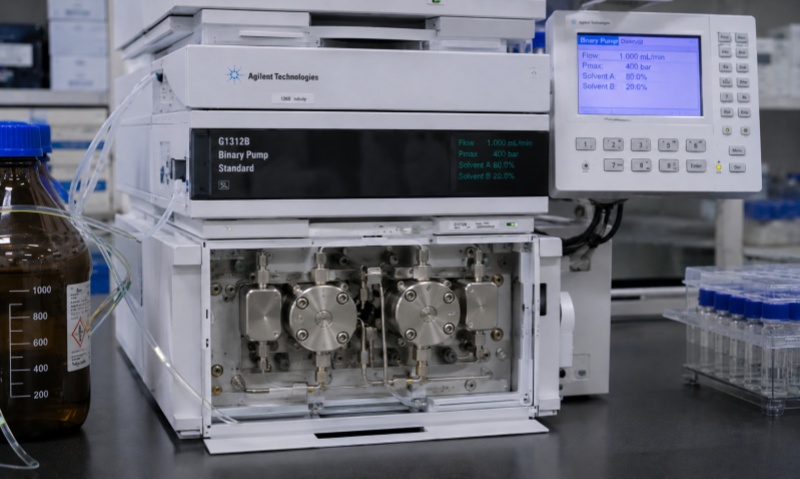
Liquid leakage is one of the most common problems encountered during routine operation of High-Performance Liquid Chromatography (HPLC) systems. Even a small leak can cause unstable pressure, inaccurate flow rates, poor chromatographic reproducibility, and potential damage to electronic components. Identifying the source quickly is therefore essential. The following are five major causes of HPLC leakage and practical troubleshooting methods.
HPLC systems contain numerous high-pressure fittings connecting pumps, injectors, columns, and detectors. Loose fittings, damaged ferrules, or improperly cut tubing can create leakage points. Inspect each connection carefully and tighten fittings according to the manufacturer's specifications. Avoid excessive tightening, which can deform the ferrule or damage the fitting.
The pump operates continuously under high pressure, making seals and plungers susceptible to wear. A damaged pump seal may cause solvent leakage around the pump head, unstable pressure, or abnormal pump noise. Inspect the pump head for traces of solvent and replace worn seals, plungers, or related components when necessary.
The injector valve and autosampler are frequently exposed to solvents and mechanical movement. Worn rotor seals, needle seals, needle seats, or sample-loop connections may cause leakage. If liquid appears around the injector or autosampler, inspect these components and replace damaged sealing parts. Regular cleaning can also reduce contamination-related problems.
Incorrectly installed column fittings can produce leakage at the column inlet or outlet. Check whether the tubing is inserted to the correct depth and whether the fitting is compatible with the column connection. Damaged ferrules or threads should be replaced immediately. After installation, gradually increase the flow rate while monitoring the connection for leaks.
A partially blocked frit, tubing section, filter, or column can cause pressure to rise abnormally. Excessive pressure may force solvent through weak seals or connections. If pressure increases unexpectedly, stop the system safely and inspect the flow path from the pump toward the detector. Replace blocked filters or contaminated components rather than continuously tightening fittings.
HPLC leakage should never be ignored. Loose fittings, worn pump seals, injector components, column connections, and excessive pressure are among the most common causes. A systematic inspection of the entire flow path can quickly locate the problem. Regular preventive maintenance, timely replacement of consumable components, proper connection procedures, and pressure monitoring can greatly reduce leakage and improve HPLC reliability and analytical reproducibility.