Moisture analyzers, as essential precision instruments widely used in food processing, pharmaceutical production, chemical engineering, agricultural testing and other fields, play a crucial role in ensuring product quality, optimizing production processes and complying with industry standards. The accuracy and stability of moisture measurement directly affect the reliability of test results and the quality of final products. However, due to long-term exposure to different samples,
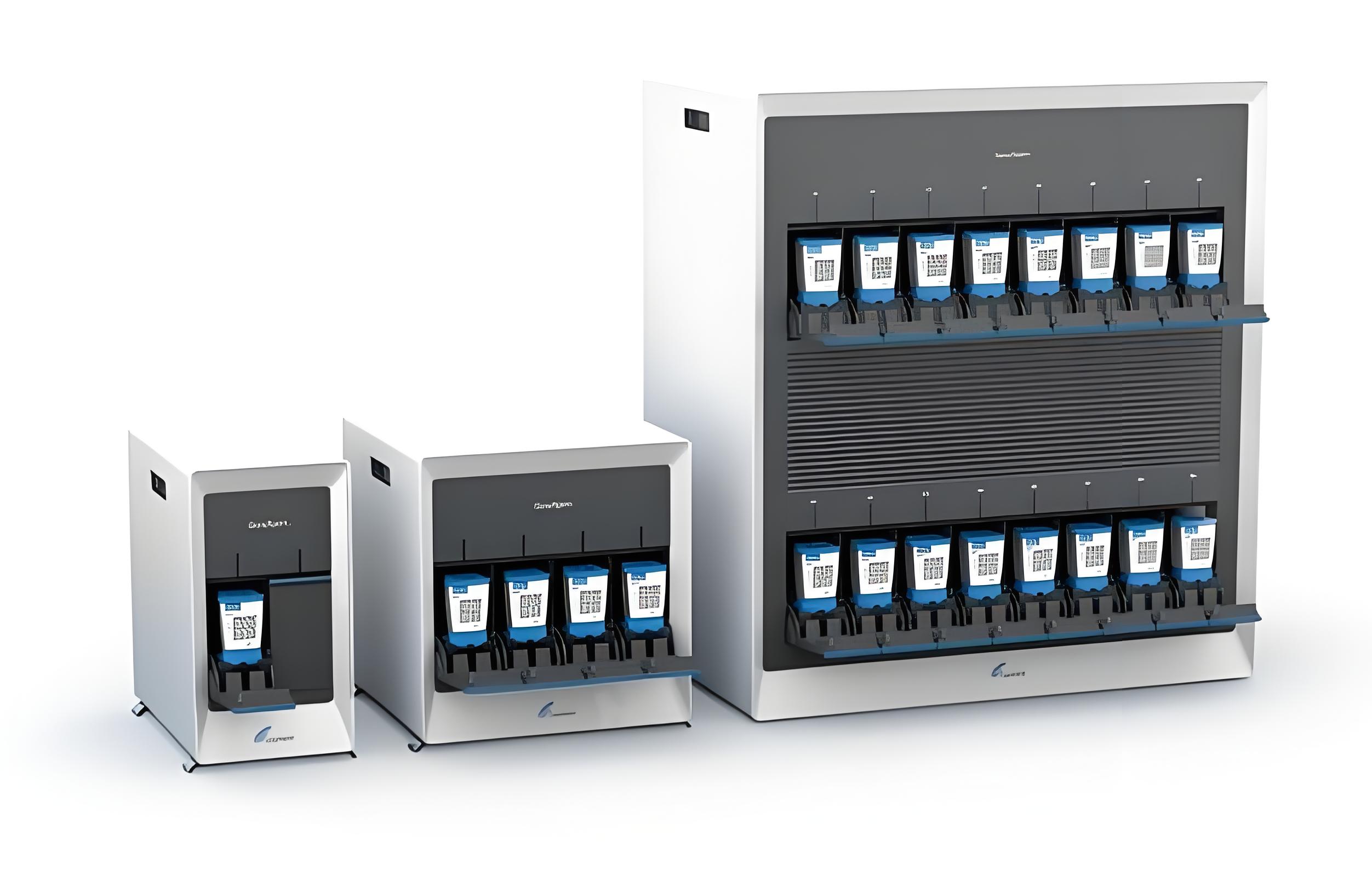
environmental factors and improper operation, moisture analyzers are prone to performance degradation, measurement errors and even component failures. Therefore, scientific and regular maintenance and care are essential to maintain the instrument’s precision, extend its service life and reduce maintenance costs. This guide provides a comprehensive overview of the maintenance and care points for moisture analyzers, covering daily maintenance, regular inspection, fault prevention and common problem handling, to help users maximize the performance of the instrument.
Daily maintenance is the foundation of ensuring the stable operation of moisture analyzers, and it should be carried out by operators after each use to avoid the accumulation of residues and potential faults. First and foremost, sample residue cleaning is critical. After each measurement, the instrument’s sample pan, heating chamber and surrounding areas should be thoroughly cleaned to prevent sample residues from caking, charring or corroding the instrument components. For general samples, a soft brush or lint-free cloth can be used to wipe the sample pan and heating chamber; for sticky or corrosive samples, the sample pan should be removed and cleaned with a neutral detergent, then rinsed with deionized water and dried completely before reinstallation. It is important to note that the sample pan should be handled with tweezers to avoid fingerprints or oil stains, which may affect measurement accuracy.
Secondly, the cleaning of the instrument’s optical components and sensors is equally important. Most moisture analyzers use infrared heating or halogen heating technology, and the heating lamp, temperature sensor and weighing sensor are core components that determine measurement accuracy. The heating lamp should be checked regularly for dirt, dust or blackening; if there is contamination, a soft cloth dipped in alcohol can be used to gently wipe the lamp surface, ensuring that the heating is uniform. The temperature sensor and weighing sensor should be kept clean and free of obstacles; any dust or debris around the sensors should be removed in a timely manner to avoid affecting their sensitivity. In addition, the instrument’s ventilation holes should be kept unobstructed to prevent overheating caused by poor heat dissipation, which may damage internal components.
Environmental control is another key aspect of daily maintenance. Moisture analyzers should be placed in a clean, dry and stable environment, away from direct sunlight, high temperature, high humidity, dust and corrosive gases. The ideal operating temperature range is 15-30℃, and the relative humidity should be kept below 60% to avoid moisture condensation inside the instrument, which may damage the circuit board and sensors. At the same time, the instrument should be placed on a stable and level workbench to avoid vibration, which may affect the weighing accuracy. When not in use, the instrument should be covered with a dust cover to prevent dust accumulation, and the power should be turned off to avoid unnecessary energy consumption and component wear.
Regular inspection and calibration are essential to ensure the measurement accuracy of moisture analyzers, and they should be carried out at fixed intervals according to the instrument’s usage frequency and industry standards. Generally, calibration should be performed every 3-6 months, or more frequently if the instrument is used heavily or in harsh environments. The calibration process mainly includes two aspects: weighing calibration and moisture measurement calibration. For weighing calibration, standard weights of known mass should be used to verify the accuracy of the instrument’s weighing system; if there is a deviation, the instrument should be adjusted according to the manufacturer’s instructions. For moisture measurement calibration, standard reference materials with known moisture content should be used to test the instrument’s measurement accuracy, and parameters such as heating temperature and time should be adjusted if necessary to ensure that the measurement error is within the allowable range.
In addition to regular calibration, regular inspection of the instrument’s components is also necessary to detect potential faults in advance. The heating element (such as halogen lamp or infrared lamp) should be checked for damage, blackening or reduced brightness; if the heating effect is significantly reduced, the lamp should be replaced in a timely manner. The power cord and plug should be inspected for wear, aging or loose connections to avoid electrical faults. The instrument’s fan and heat dissipation system should be checked regularly to ensure that the fan is running normally and the heat dissipation is smooth. For instruments with replaceable parts such as fuses and filters, these parts should be inspected and replaced regularly according to the manufacturer’s recommendations.
Proper operation habits are an important part of moisture analyzer maintenance and care, as improper operation is one of the main causes of instrument failure and measurement errors. Operators should receive professional training before using the instrument, and strictly follow the manufacturer’s operation manual. When placing samples, the sample should be evenly spread in the sample pan to ensure uniform heating; the sample volume should be consistent with the instrument’s requirements, not too much or too little, to avoid affecting the measurement results. During the heating process, the instrument’s door should not be opened at will, as this will cause temperature fluctuations and affect the accuracy of moisture measurement. After the measurement is completed, the instrument should be allowed to cool down naturally before cleaning and storing, to avoid damage to the heating chamber and other components due to sudden temperature changes.
Fault prevention and common problem handling are also crucial for the long-term stable operation of moisture analyzers. Common faults include inaccurate measurement results, failure to heat, weighing deviation and instrument shutdown. For inaccurate measurement results, possible causes include sample unevenness, contamination of the sample pan or sensors, incorrect calibration, or environmental interference; corresponding measures should be taken such as re-spreading the sample, cleaning the instrument, re-calibrating, and adjusting the operating environment. If the instrument fails to heat, check the heating lamp, power supply and temperature sensor; if the heating lamp is damaged, replace it; if the power supply is abnormal, check the power cord and plug. For weighing deviation, check whether the sample pan is clean and level, whether there are obstacles around the weighing sensor, and re-calibrate the weighing system if necessary. If the instrument shuts down unexpectedly, check the power supply, overheating protection device and circuit board, and contact professional maintenance personnel if necessary.
In addition, long-term storage and maintenance of moisture analyzers should also be paid attention to. If the instrument is not used for a long time (more than 1 month), it should be thoroughly cleaned, dried and calibrated before storage. The sample pan and other detachable components should be removed, cleaned and stored separately. The instrument should be placed in a dry, cool and dust-free environment, and the power cord should be unplugged. It is recommended to turn on the instrument and run it for 30 minutes every month to prevent component aging and ensure that the instrument can be used normally when needed. At the same time, the instrument’s maintenance records should be kept in detail, including maintenance time, maintenance content, calibration results and fault handling, to facilitate future maintenance and traceability.
In summary, the maintenance and care of moisture analyzers is a systematic and continuous work, which requires the joint efforts of operators and maintenance personnel. By adhering to daily cleaning, environmental control, regular inspection and calibration, and proper operation habits, we can effectively ensure the accuracy and stability of the instrument, extend its service life, reduce maintenance costs and avoid unnecessary losses caused by instrument failure. It is also important to pay attention to the manufacturer’s maintenance recommendations and contact professional technical support when encountering complex faults, to ensure that the moisture analyzer can continue to play an important role in production and testing, and provide reliable guarantee for product quality and process optimization.