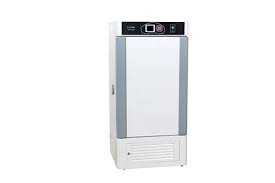
Biochemical incubators and light incubators are essential equipment in biological, environmental, and agricultural laboratories, widely used for cell culture, microbial cultivation, seed germination, and plant seedling cultivation. Biochemical incubators provide a stable environment of constant temperature and humidity, while light incubators add adjustable light intensity and photoperiod control to meet the growth needs of light-dependent organisms. Proper maintenance and care are crucial to extend the service life of these incubators, ensure their stable operation, and guarantee the accuracy and reliability of experimental results. This guide summarizes the key maintenance and care points for both types of incubators, covering daily maintenance, regular inspection, and common troubleshooting, with the full text in English and strictly controlled around 1000 words.
Daily maintenance is the foundation to keep the incubators in good condition and should be carried out after each use. For both biochemical and light incubators, the first step is to clean the inner chamber. After the cultivation is completed, turn off the power and wait for the incubator to cool down to room temperature. Use a sterile, soft cloth dipped in neutral detergent to wipe the inner walls, shelves, and door seal, removing any residual culture medium, stains, or microbial residues. Rinse with clean deionized water and dry with a dry cloth to prevent mold growth and cross-contamination. Avoid using corrosive cleaners or hard tools, as they can scratch the inner chamber and damage the coating.
For the humidity control system, which is critical for biochemical incubators, regularly check the water tank. Fill it with distilled water or deionized water to the specified level, and avoid using tap water that contains impurities, which can block the humidity sensor and affect control accuracy. Empty and clean the water tank every 1-2 weeks to prevent bacterial growth and sediment accumulation. For light incubators, pay special attention to the light source maintenance. Clean the light tubes and lampshades regularly with a dry cloth to remove dust, which can affect light transmittance. Check the light tubes for aging or blackening at both ends; replace them in time if they fail to provide sufficient light intensity, and ensure the light intensity is calibrated regularly to meet experimental requirements.
Regular inspection of core components is necessary to detect potential faults in advance. For both types of incubators, check the temperature and humidity sensors every 3-6 months. Use a standard thermometer and hygrometer to calibrate the sensors, ensuring the displayed values are consistent with the actual environment. If there is a deviation, adjust or replace the sensors promptly. Inspect the door seal for wear, deformation, or cracks; a damaged seal will affect the airtightness of the incubator, leading to temperature and humidity fluctuations. Replace the seal if necessary to maintain a stable internal environment.
For the ventilation system, clean the air filter regularly (every 1-2 months). Remove the filter, rinse it with clean water, and dry it thoroughly before reinstalling. A clogged filter will reduce ventilation efficiency, cause uneven temperature and humidity distribution, and even lead to overheating of the incubator. Check the fan operation regularly; if there is abnormal noise or insufficient air flow, inspect the fan for blockage or wear, and repair or replace it in time.
There are also specific maintenance points for each type of incubator. For biochemical incubators, pay attention to the sterilization function (if equipped). After long-term use, run the sterilization program regularly to eliminate microbial contamination in the inner chamber. Check the heating and cooling systems: ensure the heating tube and cooling compressor work normally, and clean the cooling fins to improve heat dissipation efficiency. For light incubators, adjust the photoperiod timer regularly to ensure the light-on and light-off time is accurate. Avoid frequent switching of the light source, as this will shorten its service life.
In addition, proper storage and environment control are important for maintenance. Place the incubators in a well-ventilated, dry, and dust-free environment, away from direct sunlight, heat sources, and corrosive substances. Avoid placing heavy objects on the top of the incubator to prevent damage to the shell and internal components. When the incubator is not in use for a long time, turn off the power, empty the water tank, clean the inner chamber thoroughly, and cover it with a dust cover to prevent dust accumulation.
Common maintenance precautions should be strictly followed. Do not overload the incubator; place samples evenly on the shelves with sufficient gaps for air circulation. Avoid frequent opening of the door, as this will cause rapid temperature, humidity, and light changes, affecting the growth of cultured organisms. If the incubator emits abnormal noises, odors, or error codes, turn off the power immediately and stop using it, then check and troubleshoot according to the user manual or contact professional maintenance personnel.
In conclusion, regular and standardized maintenance and care are key to ensuring the stable operation and long service life of biochemical and light incubators. By following the maintenance points summarized in this guide, laboratory operators can effectively reduce the occurrence of faults, ensure the accuracy of experimental results, and make the most of the incubators to support various biological and agricultural research work.