
Consultation Hotline
+1 (302) 618-8777
+1 (302) 618-8777
Current location:Home > Product > Biological Instruments > Plate Reader
PRODUCT CATEGORY
Related Articles
Detailed Introduction
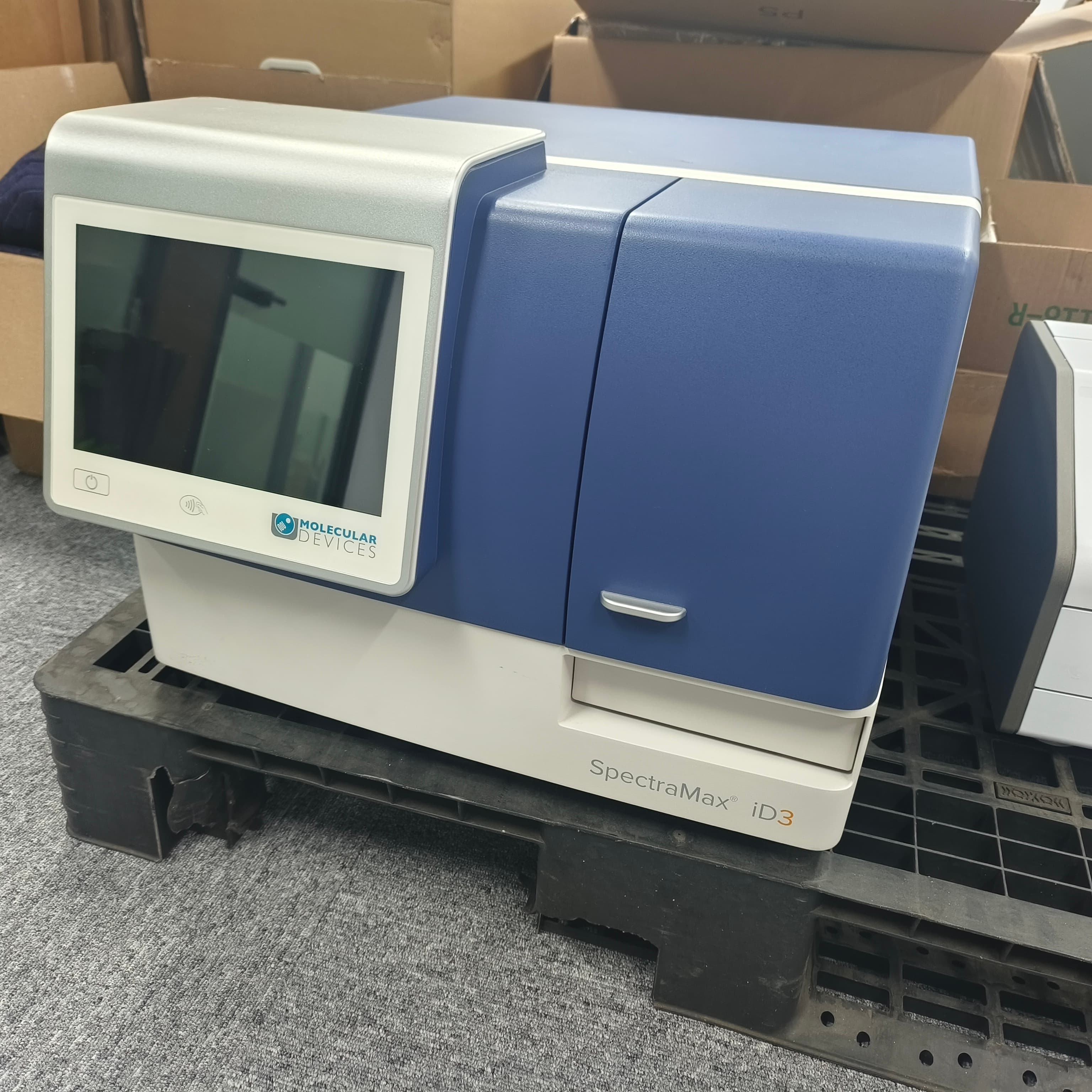
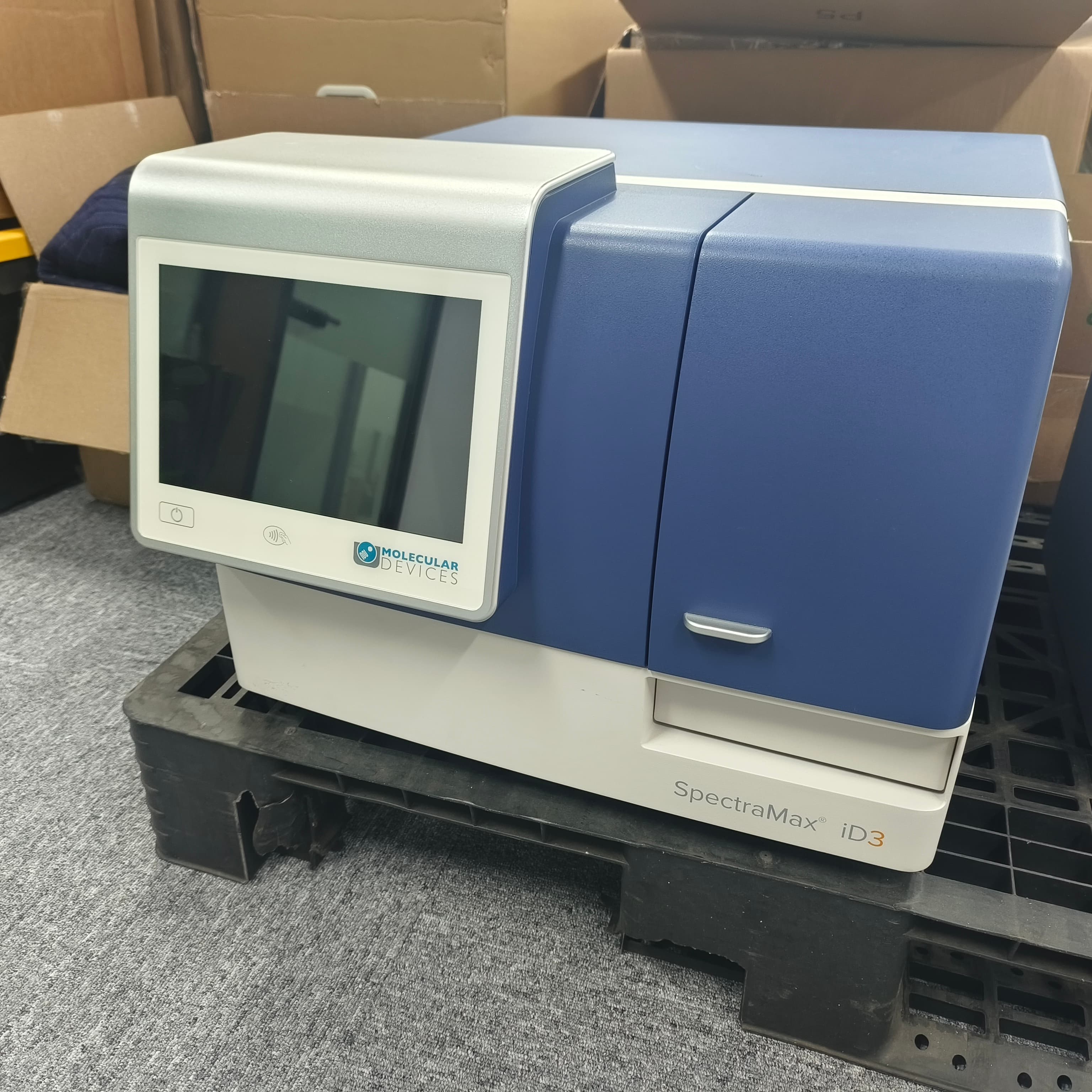
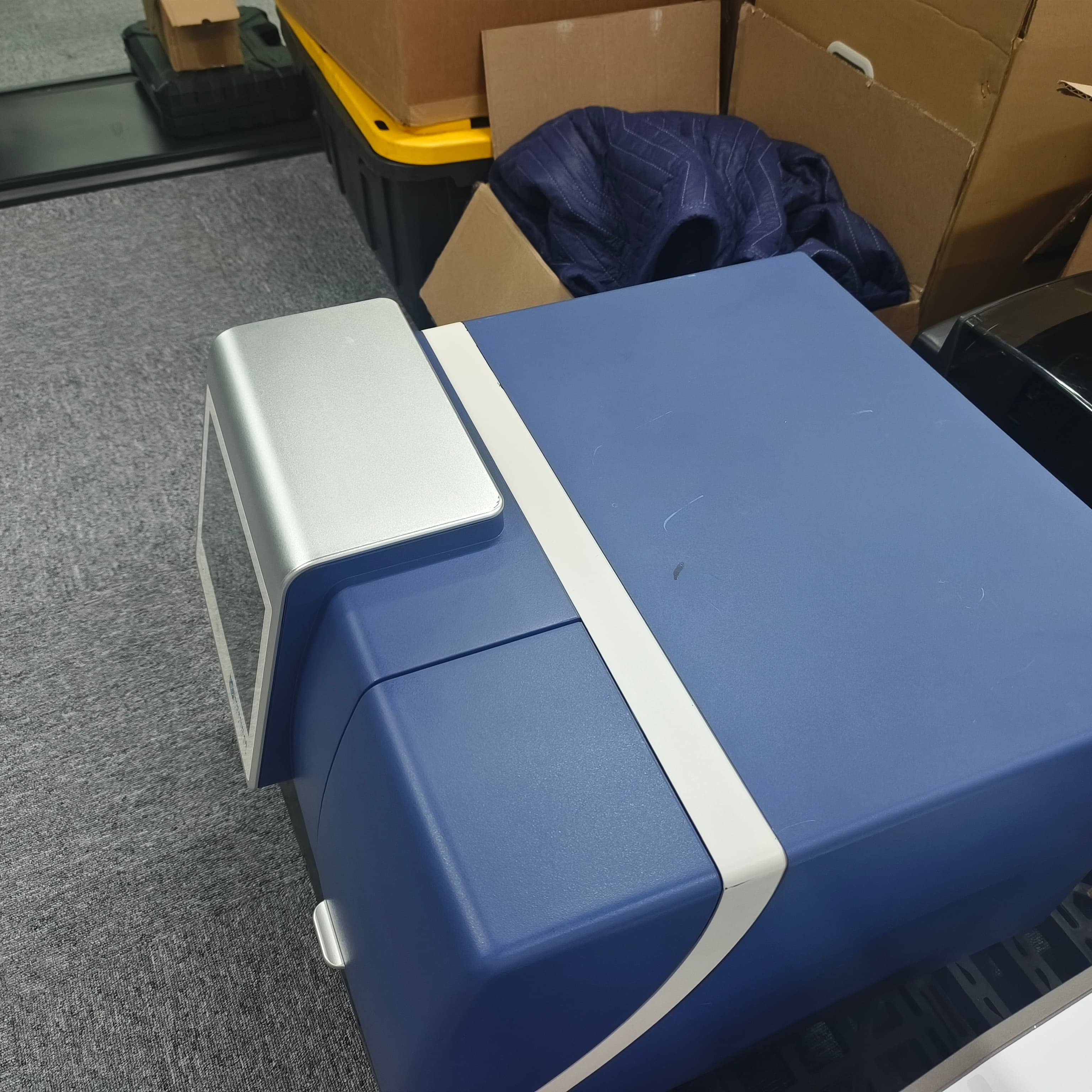
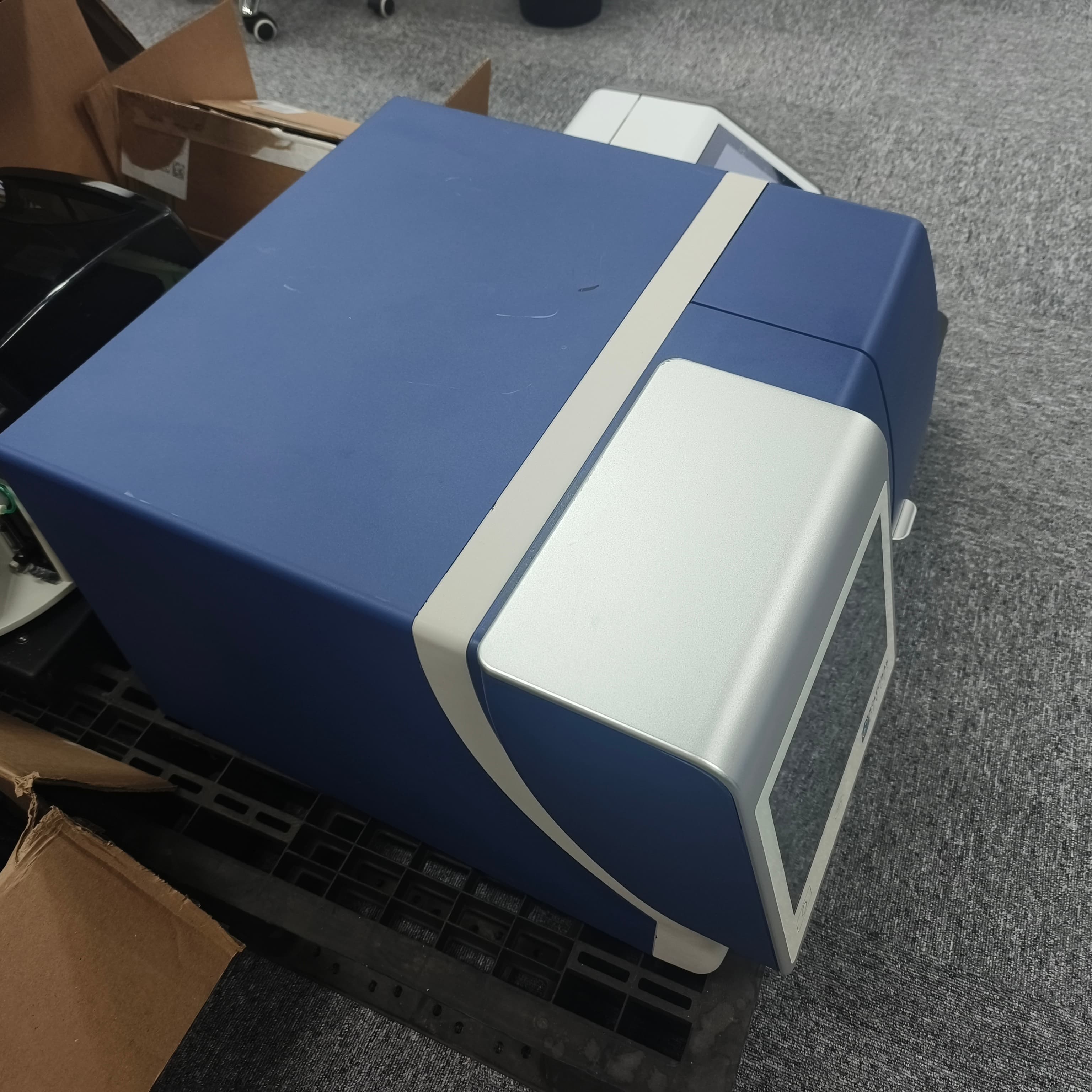
The Molecular Devices SpectraMax® iD3 Multi-Mode Microplate Reader is a versatile benchtop instrument designed for routine and research applications in life sciences. It integrates three core detection modes—absorbance, fluorescence, and luminescence—into a user-friendly platform featuring a large touchscreen for standalone operation and advanced optical components for reliable performance in drug discovery, cell biology, and bioassay development.
The SpectraMax iD3 employs a sophisticated four-monochromator optical system with high-efficiency gratings for precise wavelength selection. This allows for full-spectrum absorbance measurements (230–1000 nm) and flexible fluorescence detection (excitation: ~250–830 nm, emission: ~270–850 nm) without the need for physical filters. The system is powered by a high-energy xenon flash lamp and a Peltier-cooled PMT detector (~ -5°C), which minimizes dark current and provides a wide dynamic range for sensitive luminescence assays. Key detection features include endpoint, kinetic, spectral scanning, and well-area scanning (up to 20x20 points per well) for heterogeneous samples.
Touchscreen & NFC Personalization: The iD3 includes a large, high-resolution touchscreen interface that enables users to set up and run experiments without a connected PC. Built-in Near-Field Communication (NFC) technology allows researchers to personalize workflows; tapping an NFC card instantly loads custom protocols, user settings, and access controls, streamlining walk-up use in shared lab environments.
Environmental Control & Shaking: The reader offers precise temperature control from ambient +5°C up to 65°C (or 66°C, depending on configuration) with orbital and linear shaking options. This is critical for kinetic enzyme assays, cell viability studies, and ELISAs requiring controlled incubation.
Optional Injectors & Data Management: An optional dual-injector system (SmartInject™) can be added for kinetic luminescence assays (e.g., ATP detection, dual-luciferase), with low dead volume and overflow protection. Data can be managed via USB or automatically pushed to network workstations using QuickSync technology.
|
Parameter |
Specification |
|---|---|
|
Manufacturer |
Molecular Devices |
|
Model |
SpectraMax® iD3 Multi-Mode Microplate Reader |
|
Detection Modes |
Absorbance (UV-Vis), Fluorescence Intensity (Top/Bottom Read), Luminescence (Top Read) |
|
Wavelength Range |
Abs: 230–1000 nm; FI Ex: ~250–830 nm; FI Em: ~270–850 nm; Lum: ~300–850 nm |
|
Optical System |
4-monochromator design (1 nm step resolution), xenon flash lamp, cooled PMT detector |
|
Plate Formats |
6, 12, 24, 48, 96, 384-well (standard); compatible with 96/384-well low-volume plates |
|
Read Speed |
~20–30 seconds per 96-well plate (depending on mode) |
|
Sensitivity (Typical) |
FI: ~1 pM fluorescein (96-well); Lum: ~2–4 pM ATP (96-well) |
|
Absorbance Accuracy |
< ±0.010 OD (±1%) at 450 nm (0–3 OD range) |
|
Temperature Control |
Ambient +5°C to 65°C (66°C) with shaking (orbital, linear, double orbital) |
|
Dimensions (WxDxH) |
Approx. 53.2 cm x 59.8 cm x 40.1 cm |
|
Software |
SoftMax® Pro Software (preloaded protocols, GxP compliance options available) |
The SpectraMax iD3 is widely used for DNA/RNA and protein quantification (e.g., Bradford, BCA, NanoOrange), ELISA and enzyme activity assays, cell viability and cytotoxicity (MTT, XTT, CellTiter-Glo), bacterial growth curves, and reporter gene assays. Its combination of monochromator-based flexibility, ease of use, and robust construction makes it a standard instrument in academic core facilities, pharmaceutical QC labs, and biotechnology companies.
Note: Specifications may vary based on configuration (e.g., with or without injectors, specific software licenses). Always verify the installed options against the instrument's configuration sheet.
Product Inquiry