
Consultation Hotline
+1 (302) 618-8777
+1 (302) 618-8777
Current location:Home > Blogs > Industry News
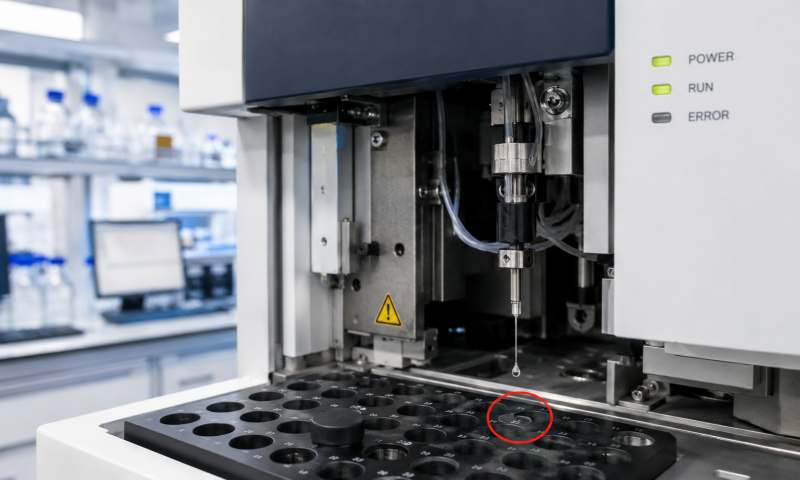
BERN, Switzerland — A new generation of human-relevant lung models is changing the way researchers investigate inhalation toxicity, drug safety, and respiratory disease. In Switzerland, researchers at the University of Bern’s ARTORG Center for Biomedical Engineering Research and collaborating institutions have developed advanced lung-on-chip inhalation models designed to reproduce important features of the human distal lung and its response to airborne substances. The technology could help reduce reliance on animal experiments while providing researchers with a more human-relevant platform for studying aerosols and inhaled therapeutics.
Traditional inhalation toxicology frequently relies on animal models to evaluate how chemicals, particles, drugs, and other substances affect the respiratory system. However, differences between animal and human respiratory biology can complicate translation of experimental results to human health. Switzerland has therefore become an important center for research into alternative methods, including organoids, three-dimensional cell models, and organs-on-chips.
One notable development comes from the Organs-on-Chip Technologies laboratory at the University of Bern. Researchers developed an in-vitro distal-lung inhalation model capable of reproducing key characteristics of the fragile and dynamic alveolar environment. The researchers described the technology as a human-relevant preclinical tool that could significantly reduce the use of animals in toxicity risk assessment and drug safety research.
The key innovation of a breathing lung-on-chip is its ability to recreate several physical and biological conditions that are difficult to reproduce in conventional cell cultures.
The Swiss AX Lung-on-Chip platform uses a microengineered system containing cell compartments, microfluidic channels, and a thin porous membrane. Human-relevant alveolar epithelial cells can be cultured on the chip, while additional cell types can be incorporated to model more complex interactions. Pneumatic components generate controlled mechanical movements that simulate aspects of breathing.
This design allows researchers to combine an air-liquid interface, human lung cells, controlled aerosol exposure, and cyclic mechanical strain. Such conditions more closely resemble the environment encountered by cells in the human respiratory system than conventional submerged two-dimensional cell cultures.
A particularly important development is the integration of aerosol exposure technology with the lung-on-chip platform. Instead of simply adding a chemical solution to cultured cells, researchers can generate aerosols and expose lung cells under conditions designed to mimic inhalation.
A 2023 study using the Cloud α AX12 platform demonstrated in-vitro aerosol exposure of lung-on-chip models to materials including titanium dioxide and zinc oxide nanoparticles, a toxic chemical, and an inhaled corticosteroid. Researchers reported that combining air-liquid-interface exposure with cyclic mechanical stretching increased the sensitivity of the model to biological effects such as cytotoxicity and inflammation.
This approach is significant because inhaled substances do not normally reach the human lung as simple liquid solutions. Their physical characteristics, particle size, deposition behavior, concentration, and interaction with the respiratory surface can all influence biological responses.
The potential applications extend beyond chemical safety. Lung-on-chip systems can also be used to investigate inhaled medicines, respiratory diseases, inflammation, fibrosis, and infectious processes.
In a 2022 study, researchers combined human alveolar epithelial cells with the AX Lung-on-Chip system and investigated responses to inflammatory and fibrotic stimuli. The model was designed to support research into lung injury as well as inhalation toxicology and drug safety and efficacy.
More recent research published in 2026 further strengthened the case for breathing lung-on-chip systems. Researchers reported that the model could distinguish compounds with different inflammatory potentials and showed responses that were more pronounced than those observed in a conventional two-dimensional model. Comparison with in-vivo toxicology data suggested that the system could reproduce drug-induced inflammatory responses across different levels of lung injury.
The answer is more nuanced.
Lung organoids and lung-on-chip systems should not currently be viewed as universal replacements for animal studies. Complex whole-body processes—including metabolism, immune-system interactions, systemic distribution, and long-term physiological effects—remain difficult to reproduce completely in a laboratory chip.
Instead, the technology represents an important component of the 3Rs principle: replacement, reduction, and refinement of animal research. Swiss researchers are specifically investigating how advanced lung models can improve the predictive value of inhalation toxicology while reducing the need for animal experimentation. The Adolphe Merkle Institute, for example, is conducting research aimed at improving and validating 3D lung models for alternative inhalation safety testing.
The future may therefore involve a combination of approaches rather than a single replacement technology. Organoids, lung-on-chip platforms, advanced aerosol exposure systems, computational models, and carefully selected in-vivo studies could work together to create more predictive safety-assessment strategies.
The development of Swiss lung-on-chip technology reflects a broader transformation in biomedical research: moving from simplified laboratory models toward systems that reproduce human physiology with greater complexity.
By recreating the lung’s air-liquid interface, cellular environment, mechanical breathing motion, and direct aerosol exposure, these platforms offer researchers a powerful new way to investigate how inhaled substances interact with human lung tissue.
The ultimate goal is not simply to eliminate animal experiments overnight. It is to develop more human-relevant, reproducible, and predictive testing methods that can improve drug development and chemical safety while reducing unnecessary animal use.
For inhalation toxicology, the lung-on-chip may represent an important step toward that future—where researchers can study the human respiratory system in a miniature laboratory environment before moving to more complex and costly stages of testing.