Consultation Hotline

+1 (302) 618-8777

Related Services: ShimadzuAgilentSciexWatersLCMSThermoWaters

Current location:Home > Product > mass spectrometer > GCMS

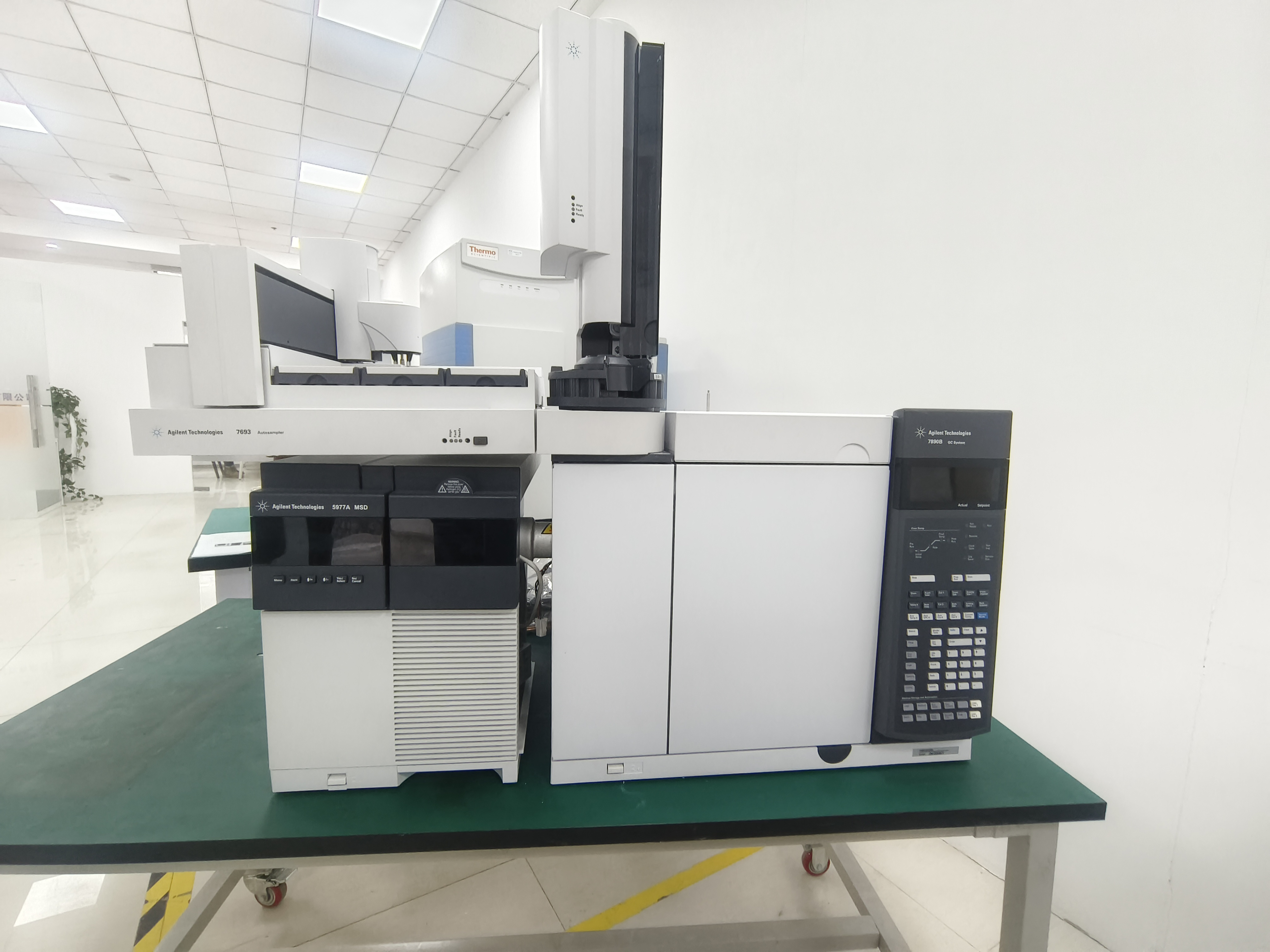
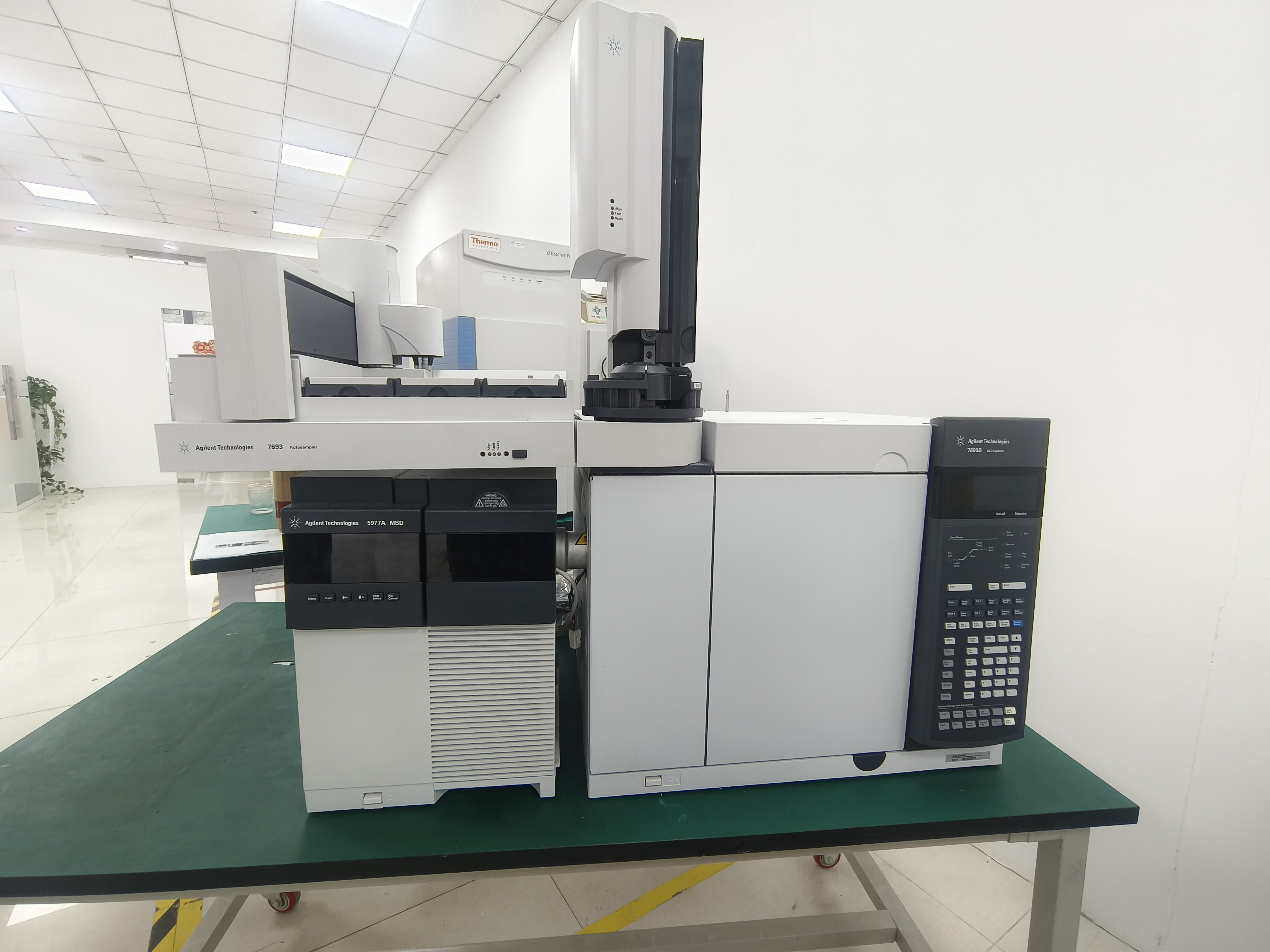
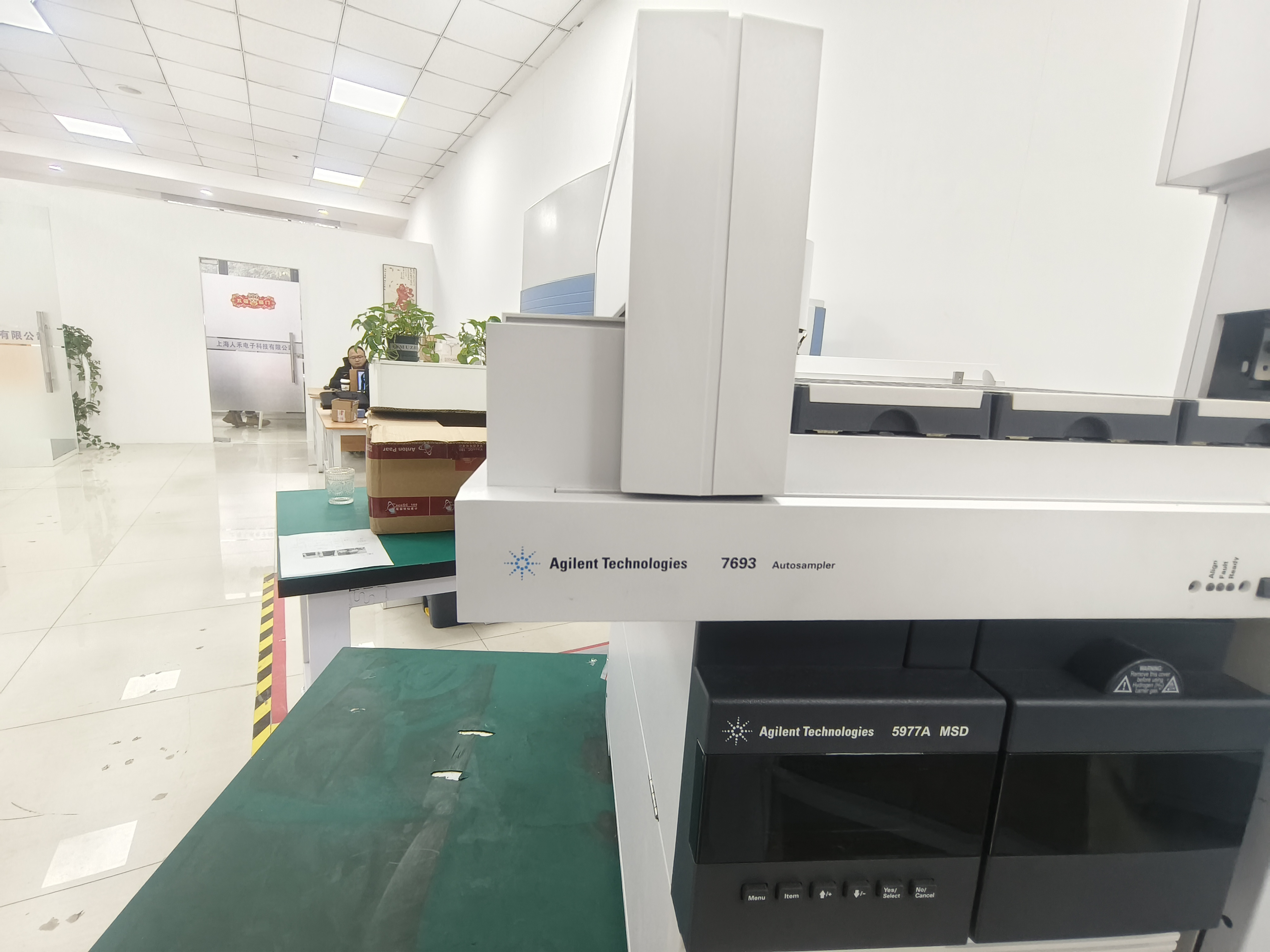
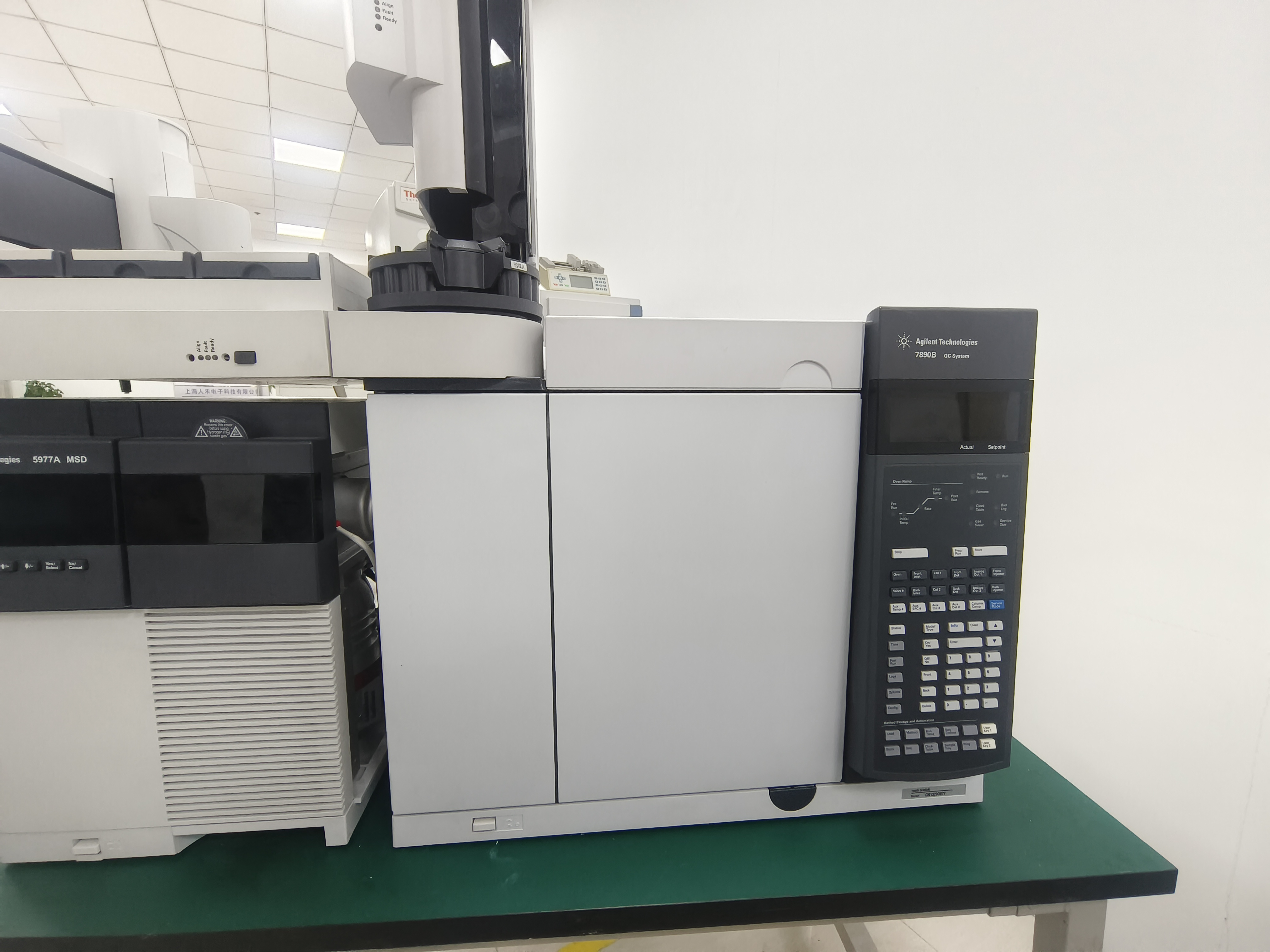
Used Agilent 7000C Triple Quadrupole GCMS

Brief Description:The Agilent 7000C Triple Quadrupole GC/MS​ represents a benchmark in high-sensitivity, quantitative trace analysis. As a workhorse system in regulated and research environments, it combines the superior chromatographic performance of the Agilent 7890B GC

PRODUCT CATEGORY

Related Articles

Detailed Introduction

The Agilent 7000C Triple Quadrupole GC/MS​ represents a benchmark in high-sensitivity, quantitative trace analysis. As a workhorse system in regulated and research environments, it combines the superior chromatographic performance of the Agilent 7890B GC with the robust triple quadrupole mass spectrometry to deliver unparalleled precision for detecting compounds at femtogram levels, even in the most complex matrices.

Instrument Overview and Design Philosophy

The 7000C is engineered specifically for ultra-trace quantitative analysis​ using Multiple Reaction Monitoring (MRM). Unlike single quadrupole systems used for general screening, the triple quadrupole configuration (Q1 → collision cell → Q2) provides an additional layer of selectivity by filtering out chemical noise. This makes it indispensable for applications where accuracy is non-negotiable, such as pesticide residue analysis in food, environmental contaminant monitoring, and pharmaceutical impurity profiling.

The system is designed for maximum uptime and ease of use. Key features like the Extractor Ion Source​ and heated gold-coated hyperbolic quadrupoles​ ensure high ion transmission and long-term stability, minimizing downtime due to source cleaning or contamination.

Key Technical Specifications

The following table details the core performance parameters that define the 7000C's capabilities.

Parameter

Specification

Mass Analyzer

Triple Quadrupole (QqQ) with linear hexapole collision cell

Mass Range

10 – 1,050 m/z (extendable down to 1.2 m/z in some configurations)

Ionization Modes

Standard: Electron Impact (EI); Optional: Chemical Ionization (PCI/NCI)

Ion Source Temp

150 °C to 350 °C (independently heated)

Analyzer Temp

106 °C to 200 °C (heated to prevent contamination)

Sensitivity (EI MRM)

Instrument Detection Limit (IDL) ≤ 4 fg Octafluoronaphthalene (OFN); S/N > 7,000:1 for 100 fg OFN

Scanning Speed

Up to 6,250 u/s; supports > 800 MRM transitions per second

Dynamic Range

> 106

GC System

Typically paired with Agilent 7890B GC with Electronic Pressure Control (EPC)

Software Platform

Agilent MassHunter

Hardware Innovations for Sensitivity and Robustness

The 7000C incorporates several proprietary technologies to achieve its industry-leading sensitivity (4 fg IDL).

  • Inert Ion Path with Extractor Source: The ion source is designed to maximize the extraction of ions from the ionization volume, significantly boosting signal intensity for trace-level compounds. The entire ion path is engineered with inert materials to minimize adsorption and degradation of active analytes.

  • Heated Gold-Coated Quadrupoles: Unlike conventional rods, the monolithic hyperbolic quadrupoles are coated with gold and can be heated up to 200°C. This prevents the accumulation of contaminants (e.g., column bleed, sample residues) that would otherwise degrade mass accuracy and sensitivity over time, ensuring stable performance over long runs.

  • High-Energy Dynode (HED) Detector: The three-axis HED-EM detector is positioned off-axis to reduce neutral noise. When ions strike the high-energy dynode, they generate secondary electrons that are amplified, providing a high signal-to-noise ratio essential for detecting peaks at the femtogram level.

Workflow Efficiency and Software Capabilities

The system's hardware is complemented by the powerful Agilent MassHunter​ software suite, which streamlines the entire analytical process.

  • Automated Method Development: MassHunter includes an enhanced MRM optimizer. Users can input a list of target compounds, and the software automatically determines the optimal collision energies and fragment ions, drastically reducing the time required to set up complex multi-analyte methods.

  • Retention Time Locking (RTL): This feature allows laboratories to lock the retention times of analytes, enabling precise method transfer between different Agilent GC/MS systems worldwide, which is critical for multi-site studies and regulatory compliance.

  • Early Maintenance Feedback (EMF): The integrated system monitors consumable usage and operational hours, providing proactive alerts for filament replacement, source cleaning, or pump maintenance. This predictive approach minimizes unexpected instrument failures.

Primary Application Areas

The Agilent 7000C excels in fields demanding rigorous quantification:

  • Food Safety: High-throughput screening of hundreds of pesticide residues in fruits, vegetables, and grains with minimal sample preparation, meeting EU SANTE guidelines.

  • Environmental Analysis: Reliable quantification of persistent organic pollutants (POPs), polycyclic aromatic hydrocarbons (PAHs), and dioxins in soil, water, and air extracts.

  • Pharmaceutical & Clinical: Analysis of drug metabolites, residual solvents in APIs, and steroid hormones with high specificity to avoid matrix interferences.

In summary, the Agilent 7000C Triple Quadrupole GC/MS is more than just an instrument; it is a complete solution for laboratories that cannot compromise on data quality. Its combination of femtogram-level sensitivity, robust hardware design, and intelligent software workflows makes it a trusted platform for the most challenging quantitative analyses.

Product Inquiry