
Consultation Hotline
+1 (302) 618-8777
+1 (302) 618-8777
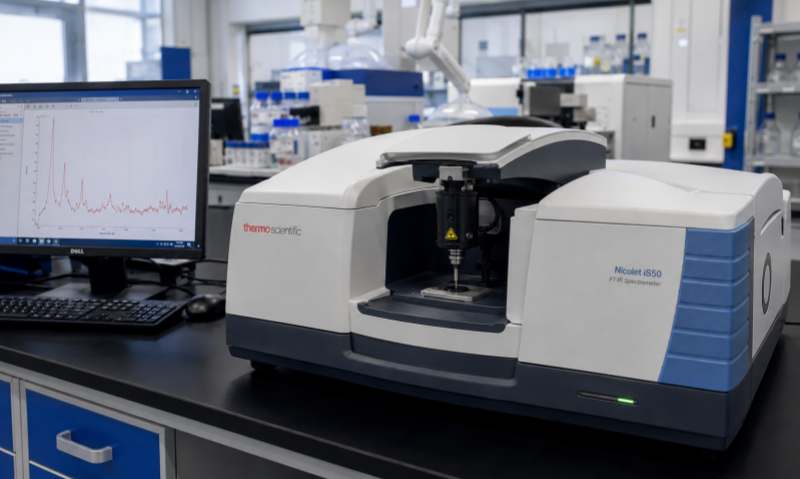
Atomic Absorption Spectrophotometry (AAS) is a highly sensitive technique used for trace metal analysis, but its accuracy can be influenced by a wide range of factors. In practice, there are many more than commonly expected—up to dozens of variables (often summarized as around 49 factors in laboratory quality discussions) that may affect measurement reliability. These factors can be grouped into several key categories: sample-related, instrument-related, and operational conditions.
One major category is sample matrix effects. The presence of other ions or compounds in the sample can cause chemical or physical interferences, reducing atomization efficiency or altering absorption signals. High salt content, organic matter, or complex matrices often require proper digestion or dilution to minimize these effects.
Another important factor is sample preparation. Incomplete digestion, contamination during handling, or improper storage can significantly distort results. The choice of acid, digestion temperature, and time all directly influence the final accuracy of metal determination.
Instrument conditions also play a critical role. Lamp current instability, improper wavelength selection, and poor burner alignment can lead to signal drift or reduced sensitivity. The purity and flow rate of gases such as acetylene and air in flame AAS must be carefully controlled, as fluctuations can affect flame temperature and atomization efficiency.
Background correction is another key aspect. Inadequate correction for molecular absorption or scattering can introduce systematic errors, especially in graphite furnace AAS where matrix effects are more pronounced.
Operational factors include analyst technique and calibration procedures. Incorrect standard preparation, poor pipetting accuracy, or failure to use appropriate calibration curves can lead to significant deviations. Regular instrument maintenance, including cleaning nebulizers and checking optical components, is essential to ensure stable performance.
Environmental conditions such as laboratory temperature, humidity, and vibration can also subtly affect instrument stability over long analytical runs.
In summary, although AAS is a robust analytical technique, its results are influenced by a complex combination of nearly fifty contributing factors. Careful control of sample preparation, instrument settings, and operational procedures is essential to achieve accurate and reproducible analytical data.