
Consultation Hotline
+1 (302) 618-8777
+1 (302) 618-8777
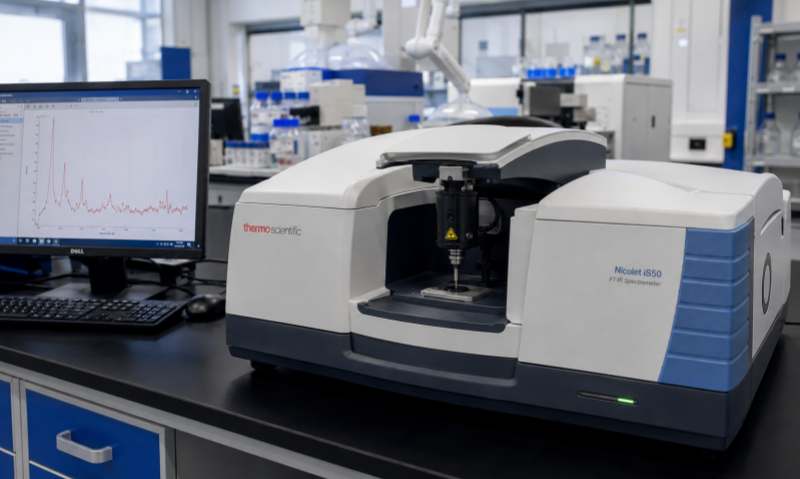
Atomic Absorption Spectrophotometry (AAS) is widely used for trace metal analysis, but various operational and instrumental problems can affect analytical performance. Understanding these common issues and their solutions is essential for obtaining stable and accurate results.
One frequent problem is unstable baseline or noisy signals. This is often caused by poor flame stability, dirty burner heads, or fluctuations in gas flow. In flame AAS, inconsistent acetylene or air supply can lead to signal drift. The solution is to ensure clean gas lines, stable pressure regulators, and regular cleaning of the burner system.
Another common issue is low sensitivity or weak absorbance signals. This may result from incorrect lamp alignment, aging hollow cathode lamps, or improper wavelength selection. In addition, insufficient atomization due to incorrect flame temperature can reduce signal intensity. The solution includes optimizing lamp current, replacing old lamps, and carefully adjusting burner height and gas ratio.
Matrix interference is also a major challenge in AAS analysis. Complex sample matrices such as high salt content or organic compounds can suppress or enhance absorbance signals. To solve this, methods such as matrix matching, standard addition, or sample dilution are commonly used. In graphite furnace AAS, chemical modifiers can also improve accuracy.
Another issue is poor reproducibility of results. This is often related to inconsistent sample introduction, clogged nebulizers, or unstable aspiration rates. Regular cleaning of the nebulizer and capillary system, as well as ensuring constant sample flow, can significantly improve repeatability.
Background absorption interference is another technical problem, especially in graphite furnace AAS. Molecular absorption or scattering from the matrix can distort results. Using background correction systems such as deuterium lamps or Zeeman correction can effectively eliminate these errors.
Instrument drift over time is also common during long analytical runs. This may be caused by lamp aging, temperature changes, or contamination of optical components. Routine calibration, warm-up procedures, and periodic maintenance are necessary to maintain stability.
In conclusion, most AAS problems arise from gas instability, optical misalignment, sample matrix effects, and insufficient maintenance. Through proper instrument care, optimized analytical conditions, and correct sample preparation techniques, these issues can be effectively minimized, ensuring accurate and reliable trace metal analysis.