
Consultation Hotline
+1 (302) 618-8777
+1 (302) 618-8777
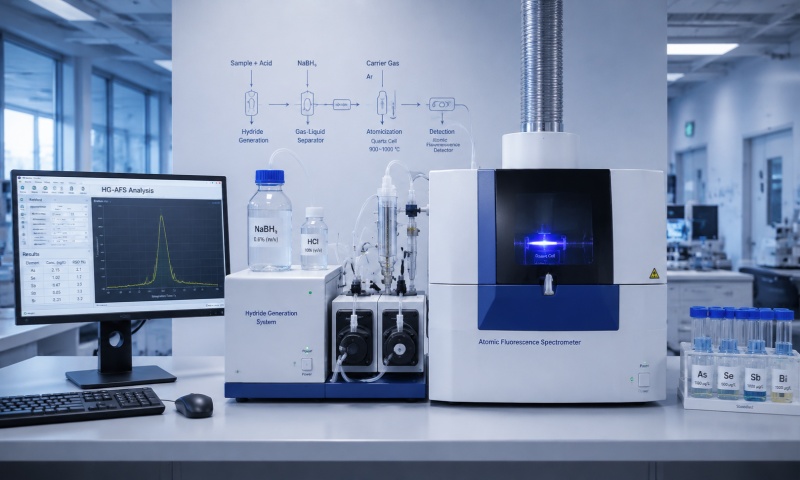
Spark direct reading spectrometers are widely used in laboratories for rapid elemental analysis of metals and alloys. They are commonly applied in industries such as steel manufacturing, aerospace, automotive, metallurgy, quality inspection, and research laboratories. By generating a spark between an electrode and the sample surface, these instruments analyze characteristic spectral lines of elements and provide accurate composition results.
During daily operation, laboratories may encounter several common failures, including abnormal exhaust performance, excessive internal temperature, and vacuum pump malfunction. These problems can affect analytical stability, measurement accuracy, and instrument lifetime. A systematic troubleshooting approach is essential to quickly identify the causes and restore normal operation.
This article provides a detailed technical analysis of common exhaust, temperature, and vacuum pump problems in laboratory spark direct reading spectrometers, along with practical repair methods.
The exhaust system of a spark direct reading spectrometer is responsible for removing smoke, metal particles, ozone, and combustion gases generated during the spark discharge process. A malfunctioning exhaust system can contaminate optical components and affect analytical accuracy.
Typical signs include:
Weak or no airflow from the exhaust outlet.
Smoke accumulation near the spark stand.
Strong ozone smell during operation.
Increased contamination inside the instrument.
Unstable analytical results.
If the exhaust system cannot remove generated gases effectively, optical components such as lenses and mirrors may become contaminated, reducing light transmission efficiency.
The exhaust fan is the main component responsible for airflow generation.
Possible causes:
Fan motor aging.
Bearing wear.
Power supply failure.
Dust accumulation blocking rotation.
Check whether the fan operates during spark discharge.
Listen for abnormal noise.
Measure fan motor voltage.
Inspect fan blades for dust buildup.
Clean dust from the fan assembly.
Replace damaged fan motors.
Repair electrical connections.
Confirm correct fan rotation direction.
After long-term operation, exhaust pipes may become blocked by:
Metal particles.
Carbon deposits.
Dust.
Oil contamination.
Symptoms:
Reduced airflow.
Increased temperature around the spark chamber.
Excessive smoke during analysis.
Repair steps:
Disconnect the exhaust pipe.
Check internal blockage.
Clean the pipeline using compressed air.
Replace severely contaminated pipes.
Regular cleaning of exhaust channels is recommended to maintain stable airflow.
Some spark spectrometers use filters to prevent particles from entering the exhaust system.
A blocked filter can cause:
Reduced airflow.
Increased internal temperature.
Poor spark stability.
Solution:
Inspect filter condition regularly.
Clean reusable filters.
Replace disposable filters according to maintenance schedules.
Temperature control is critical for spark direct reading spectrometers because optical systems and electronic components require stable operating conditions.
Excessive temperature may cause:
Wavelength drift.
Reduced measurement accuracy.
Electronic component failure.
Instrument shutdown alarms.
Most instruments use internal fans to remove heat generated by:
Power supplies.
Electronic boards.
Light sources.
Vacuum systems.
Possible problems:
Fan motor failure.
Fan speed reduction.
Dust blocking airflow.
Inspection:
Check fan operation.
Measure fan voltage.
Clean dust from ventilation openings.
Repair:
Replace defective fans.
Clean cooling channels.
Ensure proper ventilation around the instrument.
Spark spectrometers require sufficient space for heat dissipation.
Common installation problems:
Instrument placed too close to walls.
Ventilation openings covered.
Laboratory temperature too high.
Solutions:
Maintain adequate clearance around the instrument.
Keep laboratory temperature within manufacturer specifications.
Avoid placing heat sources near the instrument.
The optical system of a direct reading spectrometer often requires temperature stabilization.
Possible causes:
Temperature controller failure.
Heating element malfunction.
Temperature sensor error.
Symptoms:
Temperature alarm.
Calibration instability.
Large wavelength deviation.
Repair:
Check temperature sensor resistance.
Verify heater operation.
Inspect temperature controller output.
Recalibrate the temperature control system.
Many spark direct reading spectrometers use vacuum systems to improve ultraviolet spectral detection performance, especially for elements requiring short wavelengths.
A vacuum pump failure can significantly reduce detection sensitivity and may prevent normal analysis.
Typical symptoms include:
Vacuum cannot reach required level.
Slow vacuum generation.
Vacuum alarm appears.
Increased pump noise.
Oil leakage.
Reduced analytical sensitivity.
Oil-sealed vacuum pumps require proper oil quality and level.
Possible problems:
Low oil level.
Dirty oil.
Oil degradation.
Incorrect oil type.
Inspection:
Check oil level through the sight glass.
Observe oil color and viscosity.
Repair:
Add proper vacuum pump oil.
Replace contaminated oil.
Perform regular oil changes according to operating hours.
Vacuum leaks are among the most common causes of poor vacuum performance.
Possible leakage points:
Vacuum tubing connections.
Sealing rings.
Vacuum chamber joints.
Valve connections.
Symptoms:
Pump runs continuously.
Vacuum level remains unstable.
Long evacuation time.
Repair:
Check all vacuum connections.
Replace damaged seals.
Tighten loose fittings.
Perform leak testing.
After long operation, internal components may wear.
Possible failures:
Rotor damage.
Bearing wear.
Motor problems.
Exhaust valve failure.
Symptoms:
Abnormal noise.
Excessive vibration.
Low pumping speed.
Repair:
Inspect pump condition.
Replace worn components.
Send the pump for professional overhaul if necessary.
When a spark direct reading spectrometer shows exhaust, high temperature, or vacuum problems, technicians should follow this sequence:
Record error codes and operating conditions.
Confirm fan operation and airflow.
Inspect fans, ventilation openings, and temperature sensors.
Check pump operation, oil condition, and vacuum leakage.
After repairs, run instrument calibration and standard samples to verify performance.
To minimize failures, laboratories should establish regular maintenance procedures:
Clean exhaust filters regularly.
Inspect exhaust pipes periodically.
Keep instrument ventilation areas unobstructed.
Check cooling fans every few months.
Replace vacuum pump oil according to usage.
Monitor vacuum level trends.
Perform wavelength calibration regularly.
Keep the laboratory environment clean and temperature controlled.
Preventive maintenance can greatly improve instrument stability and reduce unexpected downtime.
Exhaust system failures, high temperature alarms, and vacuum pump problems are common maintenance issues in laboratory spark direct reading spectrometers. These failures may originate from blocked exhaust channels, cooling system problems, temperature control errors, vacuum leakage, oil contamination, or mechanical pump wear.
A professional troubleshooting strategy should begin with simple inspections and gradually move toward detailed component testing. Proper maintenance of exhaust systems, cooling devices, and vacuum pumps can ensure stable optical performance, accurate elemental analysis, and a longer service life for spark direct reading spectrometers.