
Consultation Hotline
+1 (302) 618-8777
+1 (302) 618-8777
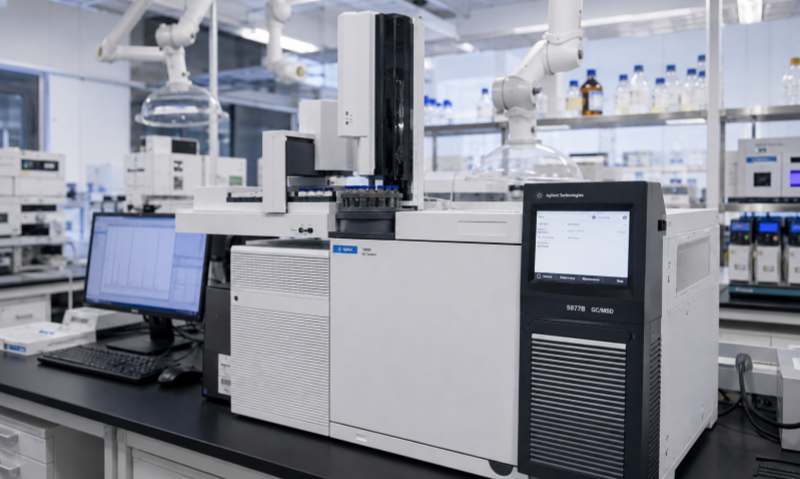
Gas chromatography (GC) is a widely used analytical technique in environmental testing, petrochemical analysis, pharmaceuticals, food safety, and chemical research. During daily operation, chromatographic peak abnormalities and baseline fluctuations are common problems that can affect qualitative identification and quantitative accuracy. Understanding the causes and solutions of these problems is essential for maintaining stable instrument performance and reliable analytical results.
A missing or significantly reduced chromatographic peak may be caused by sample injection problems, leakage in the gas flow system, detector sensitivity reduction, or column contamination.
Solutions:
First, check whether the autosampler or manual injector is working correctly and confirm that the injection volume is accurate. Inspect the injection port liner, septum, and sealing parts for leakage. Verify carrier gas pressure and flow rate settings. If the column is contaminated, perform column conditioning or replace the column when necessary. For detector-related problems, check the detector temperature, gas supply, and detector parameters.
Peak shape distortion is a frequent issue in GC analysis. Peak tailing is usually caused by active sites in the column, contaminated injection ports, or excessive sample loading. Peak fronting often results from overloading the column or injecting too much sample.
Solutions:
Replace or clean the injection liner, use a suitable deactivated liner, and reduce injection volume if necessary. Ensure that the sample concentration is within the linear range of the column. Regular column maintenance and proper sample preparation can significantly improve peak symmetry.
Changes in retention time may occur due to unstable carrier gas flow, temperature program errors, column aging, or leakage in the gas pathway.
Solutions:
Check carrier gas pressure, flow controller performance, and gas purity. Confirm that the oven temperature program is correctly set. Inspect all connections, ferrules, and tubing for possible leaks. If the column has been used for a long time, trimming the column end or replacing it may restore performance.
Baseline drift is commonly caused by temperature instability, column bleeding, detector contamination, or insufficient instrument equilibration.
Solutions:
Allow sufficient warm-up time before analysis. Ensure that the oven temperature control system is stable. Condition the column at the recommended temperature to remove contaminants. Clean the detector components and check gas purity, especially carrier gas and detector gases.
A noisy baseline may result from electronic interference, gas impurities, unstable flow, or detector problems.
Solutions:
Check the electrical grounding and eliminate possible electromagnetic interference sources. Replace gas filters and ensure that high-purity gases are used. Verify gas flow stability and inspect regulators and flow controllers. If detector components are damaged or contaminated, professional cleaning or replacement may be required.
To minimize GC chromatographic failures, users should establish a regular maintenance schedule. This includes replacing septa and liners periodically, checking gas leakage, cleaning detectors, maintaining proper column conditions, and performing instrument calibration. Recording operating parameters and chromatographic performance trends can help identify problems early.
In conclusion, chromatographic peak abnormalities and baseline fluctuations in GC systems are usually related to sample introduction, gas flow, column condition, temperature control, and detector performance. Through systematic troubleshooting and preventive maintenance, GC instruments can achieve stable operation, high sensitivity, and accurate analytical results.