
Consultation Hotline
+1 (302) 618-8777
+1 (302) 618-8777
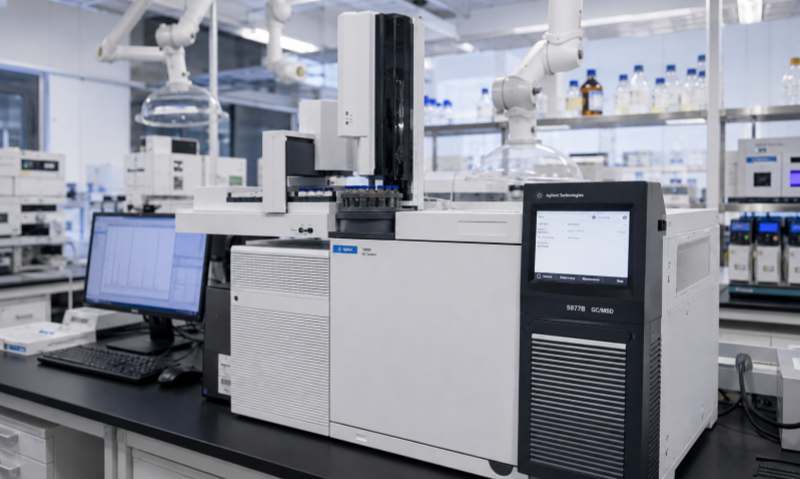
Ultrapure water systems are essential laboratory equipment widely used in pharmaceutical research, biotechnology, analytical chemistry, and life science applications. The reverse osmosis (RO) membrane is one of the most important purification components in these systems, responsible for removing dissolved salts, organic compounds, microorganisms, and other impurities from feed water. However, microbial contamination of RO membranes is a common problem that can seriously affect purification performance and even damage the entire ultrapure water system.
Microorganisms in feed water can attach to the surface of RO membranes and gradually form biofilms. These biofilms consist of bacterial cells, extracellular polymeric substances, and organic residues, creating a protective layer that allows microorganisms to survive and multiply. Once biofilm formation occurs, it becomes difficult for normal water flow and filtration processes to remove the contamination. The accumulated biological layer increases membrane resistance, reduces water production capacity, and causes higher operating pressure requirements.
Microbial contamination can also directly reduce the rejection efficiency of RO membranes. The biofilm layer changes the physical and chemical properties of the membrane surface, allowing some contaminants to pass through more easily. As a result, the conductivity of purified water may increase, total organic carbon (TOC) levels may rise, and the final water quality may no longer meet laboratory requirements. For sensitive applications such as HPLC, LC-MS, cell culture, and molecular biology experiments, even small increases in impurities can negatively influence analytical accuracy and experimental results.
In severe cases, microbial growth can damage the membrane structure itself. Some microorganisms produce organic acids, enzymes, and other metabolites that may degrade membrane materials or accelerate membrane aging. Long-term contamination can lead to irreversible fouling, reduced membrane lifespan, and the need for expensive replacement. Furthermore, microorganisms detached from the membrane surface may spread to downstream purification units, including deionization cartridges, UV sterilization modules, and ultrafiltration components, causing secondary contamination throughout the ultrapure water system.
Preventing microbial contamination requires effective water system management. Regular sanitization is one of the most important measures. Depending on the system design, chemical disinfection, hot water sanitization, or ozone treatment may be used to control microbial growth. Pre-treatment of feed water is also critical because removing suspended particles, chlorine, and organic matter before the RO stage can reduce microbial growth conditions. Proper storage and circulation of purified water help prevent stagnation, which is a major factor promoting bacterial reproduction.
Routine monitoring should also be implemented to maintain system performance. Measuring parameters such as conductivity, TOC, microbial counts, and pressure changes can help identify early signs of membrane contamination. Replacing filters, cleaning pipelines, and performing preventive maintenance according to manufacturer recommendations can significantly extend the service life of RO membranes.
In conclusion, microbial contamination of reverse osmosis membranes is a serious threat to ultrapure water systems. It can decrease purification efficiency, increase operational costs, compromise water quality, and shorten equipment lifetime. Through proper pretreatment, regular sanitization, continuous monitoring, and preventive maintenance, laboratories can effectively control microbial growth and ensure a reliable supply of high-quality ultrapure water.