
Consultation Hotline
+1 (302) 618-8777
+1 (302) 618-8777
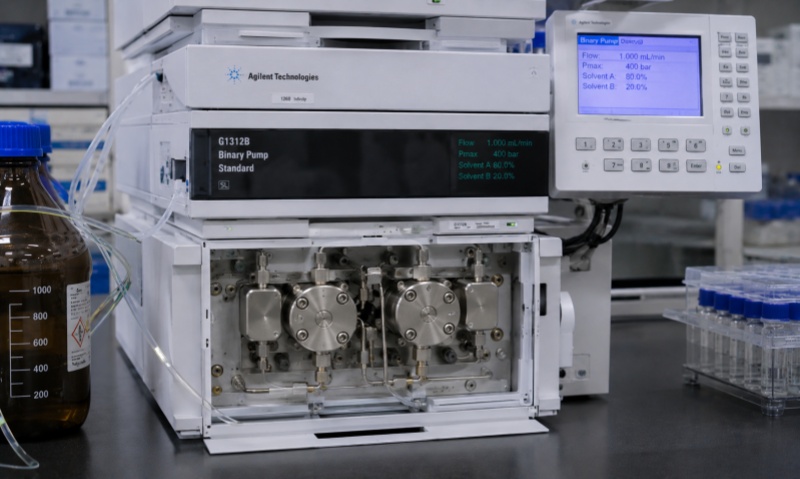
In liquid chromatography (LC) analysis, accurate sample injection is essential for obtaining reliable and reproducible results. One common but often overlooked problem is sample leakage from the injection needle during the injection process. Leakage can cause inaccurate injection volumes, poor peak area reproducibility, reduced sensitivity, and abnormal chromatographic performance. Understanding the causes and identification methods of needle leakage is important for maintaining the stability of an LC system.
The first indication of sample leakage is usually poor injection precision. When the same sample is injected repeatedly, the peak areas or peak heights may show significant variation. If the injected volume is inconsistent, the chromatogram may display unstable responses even though the sample concentration and analytical conditions remain unchanged. Comparing multiple replicate injections is therefore one of the simplest ways to determine whether a leakage problem exists.
Visual inspection is another effective diagnostic method. During the injection process, the operator can observe the needle and injection port area for visible liquid droplets or wet surfaces. Normally, the needle should transfer the sample completely into the injection valve or sample loop without releasing liquid externally. Any liquid accumulation around the needle tip, needle seat, or injection port after injection may indicate leakage caused by poor sealing, damaged components, or excessive pressure.
The condition of the needle seal and needle seat should be carefully checked. In autosampler systems, the needle penetrates the septum or needle port repeatedly during operation, and continuous mechanical movement can cause wear. A damaged needle seat, worn seal, incorrect needle alignment, or contamination around the injection port can prevent proper sealing and allow sample leakage. Replacing worn parts and cleaning the injection pathway can often solve these problems.
Another important method is to evaluate chromatographic symptoms. Sample leakage during injection may result in lower peak areas, missing peaks, or unexpected carryover effects. In gradient LC methods, leakage may also introduce irregular baseline disturbances or inconsistent retention behavior because the actual sample volume entering the column is reduced or unstable. Comparing the chromatogram with a known-good injection system can help confirm the problem.
Pressure monitoring can also provide useful information. Abnormal pressure fluctuations during injection may indicate restrictions, valve problems, or improper sealing within the injector. Although needle leakage does not always directly increase system pressure, it is often associated with mechanical problems in the injection assembly that can affect pressure stability.
For accurate troubleshooting, several preventive measures should be applied. Regular cleaning of the injection port, inspection of the needle tip, replacement of aging seals, and proper maintenance of the autosampler are essential. Using compatible sample solvents and avoiding particles or precipitates in samples can also reduce the risk of blockage and leakage.
In conclusion, sample leakage from the injection needle in LC analysis can significantly affect data quality and analytical reliability. By monitoring injection reproducibility, performing visual inspections, checking injector components, and analyzing chromatographic behavior, laboratories can quickly identify leakage problems. Regular maintenance and proper operation procedures are key to ensuring stable and accurate LC performance.