
Consultation Hotline
+1 (302) 618-8777
+1 (302) 618-8777
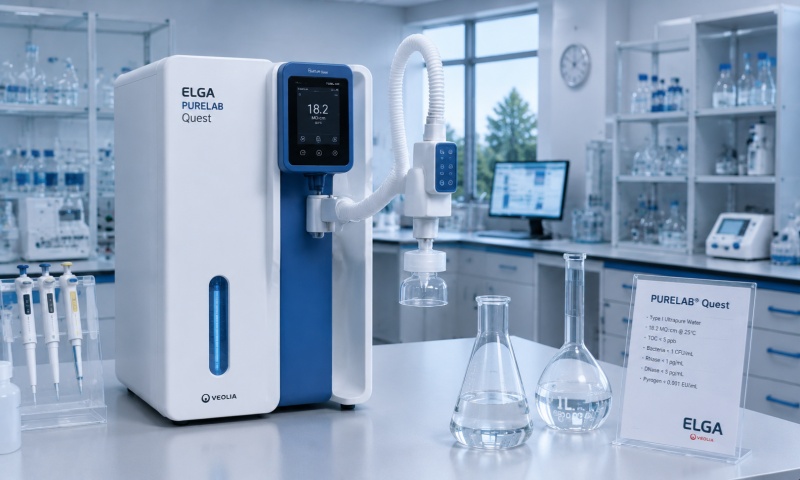
Automatic reactor controllers are widely used in chemical, pharmaceutical, materials, food, and research laboratories to control reactor temperature, stirring speed, pressure, and other critical process parameters. Because these systems often operate under elevated temperatures, pressure, and chemical exposure, correct installation and operation are essential for both equipment reliability and laboratory safety. The following five rules should always be remembered.
Before installation, select a clean, dry, well-ventilated location away from excessive heat, corrosive gases, water splashes, and strong vibration. The controller should have sufficient clearance around its ventilation openings to ensure proper heat dissipation.
The power supply must comply with the manufacturer's specified voltage and frequency. Reliable protective grounding is essential. Never remove or bypass the grounding connection to solve electrical problems.
Before powering on the system, carefully inspect electrical cables, temperature sensors, pressure sensors, motor connections, heating circuits, and communication cables. Make sure every connector is firmly installed and correctly matched.
Temperature sensors should be positioned correctly inside the reactor. A poorly installed sensor can produce inaccurate temperature readings and cause the controller to regulate the heating system incorrectly.
For pressure-controlled reactors, pressure sensors and associated tubing should also be checked for blockage, leakage, or incorrect connections.
Incorrect control parameters can cause temperature overshoot, unstable stirring, or excessive pressure. Before starting the reaction, verify the target temperature, maximum allowable temperature, stirring speed, pressure limits, alarm values, and control mode.
For a new process, it is recommended to start with conservative settings and gradually optimize the parameters. Operators should never set limits above the safe operating range of the reactor simply to achieve faster heating or reaction rates.
Automatic control does not mean that the reactor can operate without supervision. Operators should regularly observe temperature, pressure, stirring speed, heating status, and alarm information.
If the temperature rises unexpectedly, pressure increases abnormally, stirring becomes unstable, or an alarm appears, stop the process according to the established emergency procedure. Never ignore repeated alarms or repeatedly restart the controller without identifying the cause.
For hazardous reactions, appropriate protective equipment and emergency measures should also be available.
Long-term operation can cause sensor drift, relay wear, connector deterioration, and cooling-system problems. Regular inspection and calibration are therefore essential.
Temperature and pressure sensors should be checked according to the manufacturer's recommended maintenance schedule. Electrical terminals should be inspected for looseness or overheating, while ventilation openings should be kept clean.
After maintenance, verify that the controller's temperature measurement, alarm functions, heating output, stirring control, and safety interlocks operate correctly before returning the system to normal use.
Safe operation of an automatic reactor controller depends on more than simply switching the equipment on and setting a temperature. The five essential rules are proper installation, careful connection inspection, correct parameter configuration, continuous operational monitoring, and regular maintenance and calibration.
Following these procedures can reduce equipment failures, improve process stability, and provide an important layer of protection for operators and laboratory facilities. For any installation or repair work involving electrical circuits, pressure systems, or safety interlocks, qualified personnel should follow the manufacturer's instructions and applicable safety requirements.