
Consultation Hotline
+1 (302) 618-8777
+1 (302) 618-8777
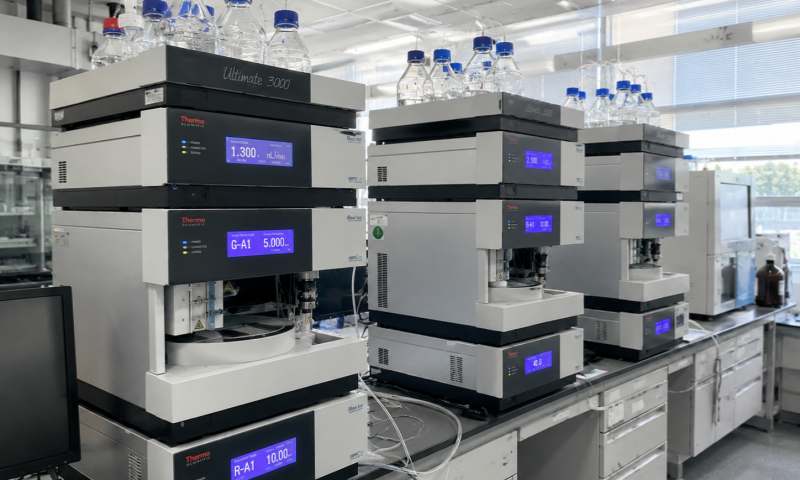
Electric constant-temperature incubators are widely used for microbiological culture, cell culture, pharmaceutical testing, and laboratory sample storage. Their primary function is to maintain a stable internal temperature through a heating system, temperature sensor, and control system. Under normal operating conditions, significant frost or ice should not form inside the incubator. If ice appears on the inner walls, bottom, or around samples, it usually indicates an abnormality related to temperature control, environmental conditions, or operating practices. Prompt inspection and corrective action are necessary to prevent damage to samples and disruption of experimental conditions.
First, check the actual operating temperature of the incubator. If the temperature setting is too low or the temperature control system malfunctions, certain areas inside the chamber may fall below the freezing point. Use a calibrated thermometer to verify the actual chamber temperature and inspect the temperature sensor for looseness, damage, or incorrect positioning. If there is a significant difference between the sensor reading and the actual temperature, the sensor should be calibrated or replaced.
Second, inspect the door sealing condition. An aging, deformed, or poorly fitted door gasket can allow humid outside air to continuously enter the chamber. When this moisture comes into contact with cold surfaces, it can condense and gradually form frost or ice. Check the gasket for cracks, hardening, deformation, or detachment, and clean or replace it when necessary.
High ambient humidity is another common cause of freezing. Operating the incubator in a humid environment, frequently opening the door, or placing a large quantity of cold samples inside at once can significantly increase moisture inside the chamber. Operators should minimize unnecessary door openings and avoid placing excessively wet or cold samples directly into the incubator.
The heating system and control circuit should also be inspected. A defective heating element, abnormal relay contact, or malfunctioning temperature controller may cause unstable temperature regulation. Qualified maintenance personnel should check the heating components, electrical connections, temperature controller, and output signals, repairing or replacing defective parts as required.
When removing ice, first stop the incubator and disconnect the power supply. Allow the ice to melt naturally before cleaning the chamber. Never use sharp metal tools to forcibly remove ice, as this may damage the inner chamber, heating components, or temperature sensor. After cleaning, keep the chamber dry and verify temperature control accuracy before restarting normal operation. If freezing continues to occur repeatedly, professional technical inspection is recommended to identify underlying faults and prevent long-term operation under abnormal conditions.