
Consultation Hotline
+1 (302) 618-8777
+1 (302) 618-8777
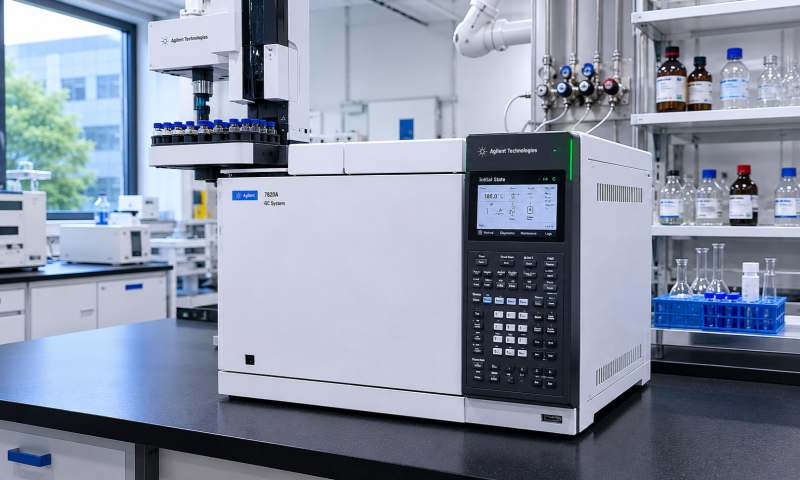
Chromatographic columns are among the most important and valuable components of HPLC, UHPLC, and other liquid chromatography systems. Column performance directly affects retention time, resolution, peak shape, sensitivity, and analytical reproducibility. Although chromatographic columns are consumable components with a limited service life, proper operation and maintenance can significantly reduce contamination, prevent irreversible damage, and extend their useful lifetime.
The first step in protecting column performance is selecting a column that matches the analytical method. Stationary phase chemistry, particle size, pore size, dimensions, pH range, temperature limit, and pressure rating should all be considered.
For reversed-phase HPLC, C18 columns are widely used, but they are not suitable for every application. Highly aqueous conditions, extreme pH, aggressive solvents, or incompatible sample matrices can shorten column lifetime. Always check the manufacturer's specifications before establishing an analytical method.
Particulate contamination is one of the major causes of column blockage and increased backpressure. Samples should be filtered when appropriate, particularly when they contain suspended particles, precipitates, proteins, or biological materials.
Mobile phases should also be prepared using clean solvents and high-quality water. Appropriate filtration can reduce the amount of particulate matter entering the chromatographic system. However, filtration should be compatible with the analytical method and solvent composition.
A guard column provides an additional layer of protection between the sample and the analytical column. It can capture particulates and strongly retained contaminants before they reach the main column.
For samples containing complex matrices, a guard column can significantly reduce contamination of the analytical column. The guard column should be replaced or regenerated when pressure increases or peak shape begins to deteriorate.
Operating a column outside its recommended pH, temperature, pressure, or solvent range can cause irreversible damage to the stationary phase. Before changing mobile-phase conditions, confirm that the selected column can tolerate them.
Sudden changes in solvent composition should also be avoided when the stationary phase is not compatible with the transition. When changing between significantly different solvents, use an appropriate intermediate solvent if recommended by the manufacturer.
Excessive injection volume can cause peak broadening, fronting, or distorted peak shapes. A sample dissolved in a strong solvent may produce particularly severe chromatographic distortion if the injection volume is too large.
Use an injection volume appropriate for the column dimensions, sample concentration, and method. Reducing the injection volume is often a simple way to improve peak shape when sample overloading or solvent mismatch is suspected.
System pressure is an important indicator of column condition. Record the normal pressure of a healthy column under standard analytical conditions and compare it with future measurements.
A gradual increase in pressure may indicate contamination, inlet frit blockage, or accumulation of particulates. A sudden pressure increase should be investigated immediately because continued operation under excessive pressure can damage the column or instrument.
Regular flushing can remove retained substances and reduce the accumulation of strongly adsorbed compounds. The flushing procedure must be compatible with the stationary phase and should follow the manufacturer's recommendations.
After analyzing highly retained or complex samples, an appropriate strong solvent wash may help restore column performance. Do not assume that every column can tolerate every solvent. Improper flushing can cause stationary-phase damage or precipitation inside the column.
Buffer-containing mobile phases require special attention. When organic solvents are mixed with certain buffers, precipitation can occur and block the column or system tubing.
After using buffered mobile phases, the system and column should be flushed with a suitable buffer-free solvent before long-term storage, following the column manufacturer's instructions. Never allow an incompatible buffer to dry inside the column.
Long-term storage should be performed in a solvent recommended for the specific stationary phase. The column should be properly sealed to prevent solvent evaporation and contamination.
Do not store a column filled with a solvent that can damage the stationary phase or cause microbial growth. For aqueous systems, appropriate storage procedures are particularly important.
A column logbook is a simple but highly effective management tool. Record installation date, sample types, mobile-phase conditions, operating pressure, number of injections, cleaning procedures, and observed performance.
Changes in retention time, theoretical plates, resolution, peak symmetry, or pressure can then be compared with historical data. This makes it easier to determine when a column requires cleaning, regeneration, or replacement.
Maintaining chromatographic column performance is not dependent on one single procedure. Proper column selection, sample filtration, guard-column protection, controlled operating conditions, appropriate flushing, pressure monitoring, and correct storage all contribute to longer column life. Operators should treat the column as a precision consumable rather than simply another instrument component. With standardized operating procedures and regular performance monitoring, laboratories can reduce unexpected failures, improve analytical reproducibility, lower consumable costs, and obtain reliable chromatographic results over a longer period.