
Consultation Hotline
+1 (302) 618-8777
+1 (302) 618-8777
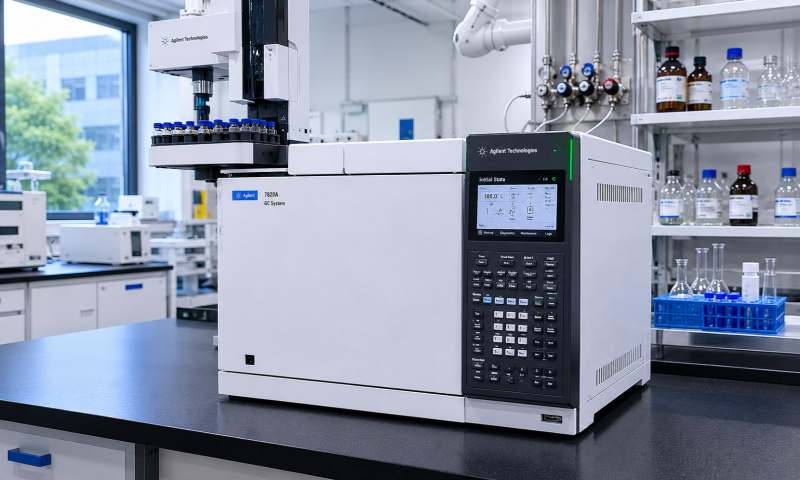
Incubators are widely used in laboratories, pharmaceutical manufacturing, microbiological testing, scientific research, and biotechnology. They provide controlled temperature conditions for cultivating microorganisms, storing samples, and conducting experiments. Electric heating incubators and water-jacketed incubators are two common types of laboratory equipment. Although both are designed to maintain stable temperatures, they differ in heating methods, temperature stability, energy consumption, and maintenance requirements.
Understanding these differences helps laboratory personnel select suitable equipment, improve operating efficiency, and extend instrument service life.
Electric heating incubators use electrical heating elements to generate heat. The heat is transferred into the chamber through natural convection or a forced-air circulation system, depending on the model. A temperature sensor continuously monitors the chamber temperature, while a controller regulates the heating output to maintain the set temperature.
These incubators generally feature a relatively simple structure, rapid heating, and convenient installation. They are suitable for routine laboratory applications that require reliable temperature control.
However, temperature uniformity may be affected by air circulation, sample placement, door opening, and the distribution of heating elements.
Water-jacketed incubators contain a water-filled jacket surrounding the inner chamber. Heating elements warm the water, which distributes heat around the chamber. Because water has a high specific heat capacity, it can absorb and release considerable heat energy, helping maintain temperature stability.
When the door is opened briefly or the surrounding temperature changes, the water jacket can reduce rapid temperature fluctuations. These incubators are often suitable for applications requiring stable incubation conditions.
However, they require additional attention to water quality, water levels, leakage prevention, and potential corrosion or microbial growth within the water jacket.
The main differences involve heating structure, temperature stability, maintenance, and operating costs.
Electric heating incubators typically have a simpler structure and are easier to install and maintain. Their heating response may be faster, depending on chamber size and design. They do not require water-jacket filling or water-quality management.
Water-jacketed incubators provide thermal buffering because of the water surrounding the chamber. They may recover from short temperature disturbances more gradually and maintain stable conditions in suitable operating environments. However, heating and recovery times depend on the equipment design, water volume, and operating conditions.
Neither type is universally superior. The appropriate choice depends on experimental requirements, temperature accuracy, environmental conditions, available maintenance resources, and the manufacturer's specifications.
Regular maintenance helps prevent heating failures and temperature deviations.
First, clean the inner chamber regularly. Remove spilled culture media, dust, and other residues using cleaning products approved by the manufacturer. Avoid allowing liquids to enter electrical components or temperature sensors.
Second, inspect the heating system. If the incubator cannot reach the set temperature or heats unusually slowly, possible causes include a damaged heating element, faulty temperature sensor, controller malfunction, or poor electrical connection. Qualified technicians should inspect electrical components before replacing parts.
Third, check the door seal. A damaged or loose gasket can allow heat to escape and cause temperature fluctuations. Replace worn seals when necessary.
Fourth, verify temperature performance using a suitable calibrated thermometer or independent temperature monitoring device. If readings differ significantly from the setpoint, check sensor placement, airflow, calibration, and controller settings.
Finally, ensure that ventilation openings remain unobstructed and that the incubator is installed on a stable surface away from direct sunlight and strong airflow.
Water-jacketed incubators require all the routine checks described above, along with additional water-system maintenance.
Check the water level according to the manufacturer's instructions. Insufficient water may reduce temperature stability or cause damage to the heating system. Never operate the equipment under conditions prohibited by the manufacturer.
Use the specified water type and avoid introducing unsuitable chemicals or contaminated water. Replace or treat the water according to the manufacturer's maintenance schedule. If the system shows signs of algae, unusual odors, sediment, or corrosion, follow the approved cleaning and disinfection procedure.
Inspect the water jacket, filling port, drain valve, and associated connections for leakage. Water leakage near electrical components requires immediate shutdown and professional inspection.
If the incubator heats slowly or temperature stability deteriorates, possible causes include an incorrect water level, mineral deposits, a faulty heater, sensor problems, or controller failure. Diagnose the actual cause before carrying out repairs.
Before draining or cleaning the water jacket, switch off the instrument, disconnect the power supply, and allow the system to cool. Follow the manufacturer's instructions to prevent scalding, electrical hazards, or damage to internal components.
If the temperature cannot reach the setpoint, first confirm the power supply, temperature settings, door closure, and ambient conditions. Persistent heating failure requires inspection of the heater, sensor, controller, and electrical connections by qualified personnel.
If the temperature fluctuates excessively, check the door seal, sample loading, airflow, sensor condition, and calibration status. For water-jacketed models, also verify the water level and water-system condition.
If an error code appears, consult the equipment manual rather than repeatedly restarting the incubator. Disconnect power before authorized maintenance, and never bypass safety devices.
Electric heating incubators offer a relatively simple structure and convenient maintenance, while water-jacketed incubators provide additional thermal buffering that can benefit temperature-sensitive applications. Both require regular cleaning, temperature verification, correct operation, and preventive maintenance.
By selecting the appropriate incubator and establishing a documented maintenance schedule, laboratories can improve temperature reliability, reduce unexpected downtime, protect experimental samples, and extend equipment service life.