
Consultation Hotline
+1 (302) 618-8777
+1 (302) 618-8777
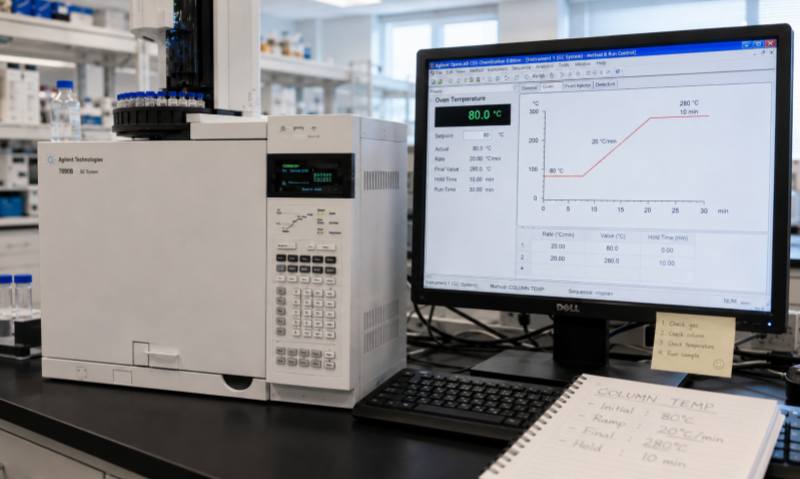
High-performance liquid chromatography (HPLC) is widely used in pharmaceutical analysis, chemical testing, food safety, environmental monitoring, and scientific research. The HPLC pump is one of the instrument's most important components because it delivers the mobile phase through the system at a controlled flow rate and pressure.
Pump failures can cause unstable baselines, retention time shifts, pressure fluctuations, leakage, and poor analytical reproducibility. Understanding common pump problems and applying appropriate troubleshooting procedures can reduce downtime, protect the chromatographic column, and extend instrument service life.
Unstable flow and fluctuating pressure are common HPLC pump problems. Possible causes include air bubbles in the pump head, contaminated check valves, worn pump seals, blocked solvent filters, and insufficient mobile-phase supply.
First, check the solvent reservoir to ensure that sufficient mobile phase is available. Inspect the inlet tubing and fittings for loose connections or air leaks. If air has entered the system, prime the pump according to the manufacturer's instructions, using an appropriate flow rate and purge procedure.
Next, inspect the solvent inlet filter. A blocked filter can restrict solvent delivery and cause pressure instability. Clean or replace it when necessary.
If pressure continues to fluctuate after purging, check the pump's inlet and outlet check valves. Deposits or particles may prevent the valves from opening and closing correctly. Clean or replace the affected components according to the manufacturer's service procedure.
If the HPLC pump cannot reach the required pressure, begin with simple external checks. Confirm that the solvent bottle contains enough mobile phase and that the instrument's flow-rate setting is correct.
Inspect the tubing, fittings, and connections for leaks. Loose fittings can prevent proper pressurization, while damaged tubing may allow solvent to escape.
A blocked or incorrectly installed check valve may also prevent normal pumping. Air trapped in the pump head can produce similar symptoms, so proper priming should be performed before replacing components.
If the system still cannot build pressure, inspect the pump seals, pistons, and check valves. Worn seals may allow solvent to leak internally or externally, reducing pumping efficiency. Persistent problems may indicate piston damage or a mechanical drive fault and should be handled by a qualified service technician.
Unexpectedly high pressure may result from a blocked analytical column, contaminated guard column, obstructed tubing, blocked injector passages, or a restricted detector flow cell.
To identify the source, compare the current pressure with the normal operating pressure under the same flow rate, solvent composition, and temperature conditions.
Following the manufacturer's procedure, isolate sections of the flow path to determine where the restriction occurs. Never loosen high-pressure fittings while the system is pressurized. Stop the pump and confirm that pressure has been safely released before disconnecting any tubing.
If the pressure returns to normal after a particular component is removed from the flow path, inspect that component for blockage or contamination. Avoid operating the pump against excessive pressure because this can damage seals, fittings, and other system components.
Solvent leakage around the pump head often indicates worn piston seals, loose fittings, damaged tubing, or an incorrectly installed component.
Stop the pump and depressurize the system before inspecting the affected area. Identify whether the leak originates from a fitting, seal, purge valve, or pump-head connection.
Tighten fittings only according to the manufacturer's specifications. Excessive tightening can damage threads and sealing surfaces. Replace worn seals and damaged tubing with compatible parts.
If leakage is accompanied by abnormal pump noise, pressure instability, or visible piston damage, arrange professional inspection rather than continuing operation.
Unusual clicking, knocking, or vibration may indicate air in the pump head, inadequate lubrication of applicable mechanical components, worn bearings, or a problem with the drive mechanism.
Check the solvent supply and prime the pump if air is suspected. Confirm that the instrument is installed on a stable surface and that tubing is not vibrating against surrounding equipment.
If the noise persists after air removal, stop using the instrument and arrange technical inspection. Do not dismantle the pump drive assembly without the appropriate training and service documentation.
Preventive maintenance can significantly reduce pump failures. Use clean, properly prepared mobile phases and filter solvents when required by the analytical method and instrument manufacturer. Replace contaminated inlet filters and inspect solvent lines regularly.
Flush the system with a compatible solvent after using buffered mobile phases. Before switching solvents, confirm that the solvents are miscible and follow the recommended transition procedure to avoid precipitation or blockage.
Inspect pump seals, pistons, check valves, and fittings at intervals appropriate to instrument usage. Record operating pressure, flow stability, leakage, maintenance activities, and replaced parts.
Use the correct shutdown procedure and avoid leaving incompatible or crystallizing mobile phases in the pump for extended periods.
HPLC pump failures commonly involve unstable flow, pressure abnormalities, solvent leakage, air bubbles, and worn mechanical components. Systematic troubleshooting should begin with solvent supply, priming, tubing, and filters before progressing to internal pump components.
Regular cleaning, compatible solvent handling, timely replacement of consumable parts, and professional maintenance help maintain stable chromatographic performance and extend the service life of HPLC equipment. Always follow the instrument manufacturer's operating and safety instructions during troubleshooting and repair.