Consultation Hotline
+1 (302) 618-8777
+1 (302) 618-8777
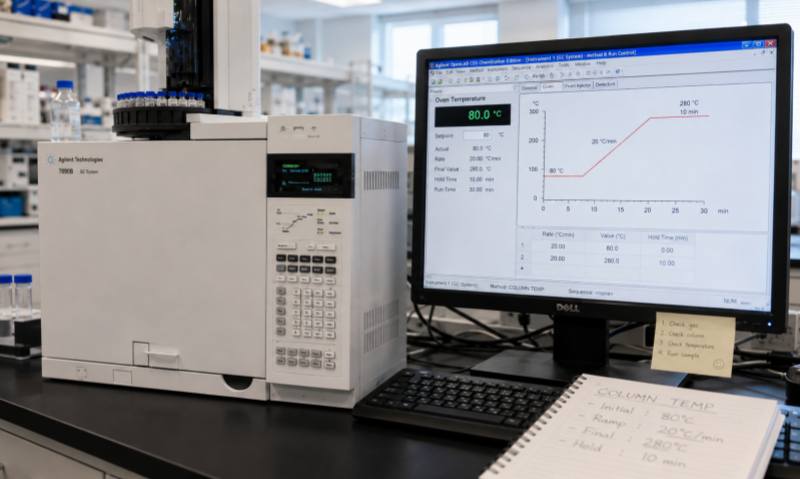
A nitrogen evaporator, also known as a nitrogen blowdown concentrator, is widely used in analytical laboratories to concentrate liquid samples by directing a controlled stream of nitrogen over the sample surface. It is commonly applied in environmental testing, food safety analysis, pharmaceutical research, chemical analysis, and residue detection.
Although nitrogen evaporators are relatively straightforward to operate, improper use can lead to slow evaporation, inconsistent sample recovery, blocked needles, unstable gas flow, or sample loss. Understanding operating precautions and troubleshooting procedures is essential for maintaining analytical accuracy and extending equipment service life.
Before starting the instrument, inspect the power supply, nitrogen cylinder or generator, pressure regulator, gas tubing, and sample heating system. Ensure that all connections are secure and that the gas supply meets the instrument's requirements.
Check the needle assembly for contamination, deformation, or blockage. Confirm that the water bath or heating module is clean and functioning correctly.
Nitrogen flow directly affects evaporation efficiency. Excessive flow may cause splashing, cross-contamination, or loss of volatile target compounds, while insufficient flow can significantly increase concentration time.
Set the gas pressure and flow rate according to the manufacturer's instructions and the requirements of the analytical method. Adjust the needle position so that nitrogen flows gently across the sample surface without causing bubbles or droplets to escape.
Heating accelerates solvent evaporation, but excessive temperatures can degrade heat-sensitive compounds or cause volatile analytes to evaporate with the solvent.
Set the temperature according to the solvent's properties, the target analytes, and the validated analytical method. Verify the actual bath temperature periodically, particularly when processing multiple samples.
Nitrogen is colorless and odorless and can displace oxygen in enclosed spaces. Operate the equipment in a well-ventilated laboratory, and avoid using it in confined areas without appropriate ventilation.
If the solvent is toxic, flammable, or otherwise hazardous, use suitable local exhaust ventilation and follow the relevant chemical safety procedures. Keep ignition sources away from flammable solvents.
Possible causes include insufficient cylinder pressure, a nearly empty gas cylinder, loose tubing, a blocked filter, or damaged regulators.
First, check the nitrogen supply pressure and confirm that the cylinder or generator is operating normally. Inspect the external tubing and connections for leaks or kinks. Check accessible filters and replace them if necessary according to the manufacturer's recommendations.
If the pressure remains unstable after these checks, the regulator or internal gas distribution system may require professional inspection.
Slow evaporation may result from low nitrogen flow, insufficient heating, excessive sample volume, unsuitable needle positioning, or high-boiling-point solvents.
Confirm that the temperature and gas flow settings are appropriate for the solvent. Check that the needles are positioned correctly and that the nitrogen stream reaches the sample surface evenly.
Where permitted by the analytical method, reduce the sample volume or divide large samples into suitable portions. Avoid increasing the temperature beyond the recommended limit simply to shorten processing time.
Sample splashing is commonly associated with excessive nitrogen flow, needles positioned too close to the liquid surface, or overly rapid heating.
Reduce the nitrogen flow gradually and adjust the needle height. Ensure that the gas stream does not directly disturb the liquid surface. If necessary, optimize the heating rate and use suitable sample tubes.
For trace analysis, avoid allowing samples to dry completely unless the analytical procedure specifically requires it. Over-drying may reduce analyte recovery or make residues difficult to redissolve.
Temperature instability may be caused by a faulty temperature sensor, damaged heater, poor thermal contact, insufficient liquid in a water bath, or an incorrect temperature setting.
Verify the displayed temperature using an appropriate calibrated thermometer. Check the heating medium level and ensure that the sample positions receive uniform heat.
If the actual temperature differs significantly from the setpoint, stop operation when necessary and arrange qualified inspection of the sensor, controller, or heating element.
Needle blockage may result from solvent residues, sample particles, salt deposits, or contamination inside the gas distribution manifold.
Shut off the nitrogen supply before removing or cleaning the needles. Clean removable components using a compatible procedure recommended by the manufacturer. Allow components to dry completely before reinstalling them.
Do not insert oversized wires or sharp tools that could deform the needle openings. Replace damaged or persistently blocked needles when cleaning cannot restore normal flow.
Check the power outlet, power cable, main switch, and user-accessible fuse where applicable. If the display remains blank, inspect the instrument for visible damage or an error indication.
Disconnect the equipment before performing permitted external checks. Internal electrical repairs should be carried out only by qualified personnel.
After each use, clean the sample area and remove solvent residues. Inspect needles, tubing, and fittings regularly. Keep the heating module free from spills and deposits, and verify temperature accuracy according to the laboratory's maintenance schedule.
Record operating parameters, maintenance activities, and recurring faults. Periodically inspect the nitrogen supply system and ensure that pressure regulators and safety devices remain in good condition.
Reliable nitrogen evaporator operation depends on appropriate nitrogen flow, controlled heating, correct needle positioning, safe ventilation, and routine cleaning. When faults occur, begin with basic checks of the gas supply, tubing, heating settings, and needle assembly before considering component replacement.
Following the manufacturer's operating instructions and maintaining detailed service records can improve sample recovery, reduce equipment downtime, and support consistent laboratory results.