
Consultation Hotline
+1 (302) 618-8777
+1 (302) 618-8777
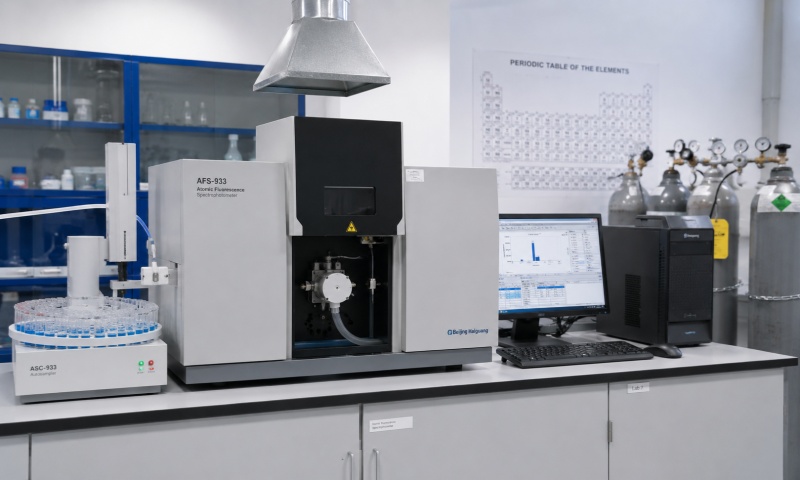
Temperature and humidity chambers are widely used in pharmaceutical research, biotechnology, electronics manufacturing, materials testing, food science, and quality control laboratories. These chambers provide controlled environmental conditions for evaluating product stability, durability, reliability, and environmental adaptability.
Because temperature and humidity chambers operate through coordinated heating, cooling, humidification, dehumidification, and air circulation systems, regular maintenance is essential for ensuring stable performance. Without proper care, dust accumulation, component aging, sensor deviations, and refrigeration system problems may affect environmental control accuracy and equipment reliability.
Establishing a systematic maintenance and inspection program can help laboratories reduce unexpected failures, extend equipment service life, and maintain consistent testing conditions.
Daily inspection is the foundation of temperature and humidity chamber maintenance. Laboratory operators should check the equipment before and after routine operation.
Important inspection items include:
Check whether the power supply is stable.
Confirm that the display operates normally.
Observe whether the actual temperature and humidity are consistent with the set values.
Check the chamber door and sealing gasket for damage.
Listen for abnormal noise from fans, compressors, or other mechanical components.
Check whether water supply and drainage systems operate normally.
Ensure that ventilation openings are not blocked.
During operation, avoid opening the chamber door frequently because this may cause temperature and humidity fluctuations.
After completing a test, remove samples when appropriate and clean up any spilled liquids or visible contamination.
The internal chamber is directly exposed to samples and circulating air. Dust, residues, and moisture may accumulate over time.
Regular cleaning helps maintain a hygienic testing environment and prevents contamination.
Recommended cleaning procedures:
First, stop the equipment and disconnect the power supply according to the manufacturer's instructions. Allow the chamber to reach a safe temperature.
Remove shelves and detachable accessories. Use a soft cloth to wipe the stainless-steel interior. For stubborn contamination, use a mild cleaning solution approved by the manufacturer.
Avoid abrasive cleaning tools, strong acids, and corrosive chemicals that may damage internal surfaces.
After cleaning, remove residual moisture and ensure that the chamber is sufficiently dry before restarting the equipment.
The heating system maintains the chamber at the programmed temperature.
Common heating-related problems include slow temperature increases, temperature fluctuations, and failure to reach the setpoint.
During periodic inspection, technicians should check:
Heater operating condition.
Electrical connections and wiring.
Temperature sensor condition.
Heating control components.
Temperature uniformity throughout the chamber.
If the chamber heats slowly or cannot reach the programmed temperature, possible causes include heater deterioration, sensor deviation, control system faults, or excessive heat loss.
Electrical components should only be inspected or repaired by qualified personnel.
The refrigeration system is responsible for lowering and maintaining chamber temperature.
Regular inspection is especially important for equipment that operates continuously or under demanding temperature conditions.
Key maintenance activities include:
Condenser Cleaning: Dust accumulation on condenser fins can reduce heat exchange efficiency. Clean the condenser periodically using suitable tools and methods recommended by the manufacturer.
Cooling Fan Inspection: Check whether the fan operates smoothly and whether abnormal noise or vibration is present.
Compressor Inspection: Monitor compressor operating conditions and check for unusual noise, overheating, or frequent starting and stopping.
Ventilation Inspection: Maintain sufficient clearance around the equipment to ensure proper heat dissipation.
If cooling performance deteriorates, qualified technicians should inspect the refrigeration circuit and associated control components.
Do not attempt unauthorized refrigerant charging or refrigeration circuit repairs.
The humidity control system plays a critical role in environmental testing.
Common problems include insufficient humidity, excessive humidity fluctuations, water supply interruption, and condensation.
For humidification systems, regularly inspect the water tank, water pipes, humidification components, and drainage channels.
Use water that meets the manufacturer's specified quality requirements. Inappropriate water quality may cause mineral deposits, scaling, or contamination.
For dehumidification systems, inspect the drainage system and verify that condensation can be discharged properly.
Clean relevant components according to the manufacturer's maintenance procedures.
Sensors directly influence the accuracy of environmental control.
Over time, sensor aging, contamination, and environmental exposure may cause measurement deviations.
During periodic inspection:
Check sensor appearance and installation condition.
Inspect electrical connections.
Compare displayed readings with an appropriate calibrated reference instrument.
Record any measurement deviations.
Arrange calibration or replacement when necessary.
For laboratories conducting regulated or quality-critical testing, sensor verification and calibration should follow applicable quality management procedures.
Air circulation fans distribute temperature and humidity throughout the chamber. Poor airflow may create uneven environmental conditions.
Inspect fan blades, protective covers, and accessible air ducts. Remove dust using suitable cleaning tools.
The door sealing gasket should also be inspected regularly. Aging, deformation, or damage may allow external air to enter the chamber, affecting environmental stability.
Replace damaged seals according to manufacturer recommendations.
A structured maintenance schedule helps laboratories manage equipment condition more effectively.
| Inspection Item | Recommended Frequency |
|---|---|
| Power supply and display | Daily |
| Temperature and humidity readings | Daily |
| Internal chamber cleaning | Monthly or as needed |
| Door gasket inspection | Monthly |
| Water tank and drainage inspection | Monthly |
| Fan and ventilation inspection | Every 3 months |
| Condenser cleaning | Every 3–6 months |
| Heating and refrigeration system inspection | Every 6 months |
| Sensor verification | Every 6 months |
| Comprehensive equipment inspection | Annually |
The actual inspection frequency should be adjusted according to equipment usage, operating environment, manufacturer instructions, and laboratory quality requirements.
Several improper maintenance practices may shorten equipment service life or affect testing accuracy.
First, never clean electrical components with water or allow moisture to enter control circuits.
Second, do not block air circulation openings with samples or accessories.
Third, avoid using untreated water when the manufacturer specifies purified or deionized water.
Fourth, do not ignore abnormal compressor noise, temperature fluctuations, or persistent humidity deviations.
Finally, avoid unauthorized modifications to the refrigeration, heating, or control systems.
When abnormal performance occurs repeatedly, professional inspection is recommended.
Regular maintenance and periodic inspection are essential for ensuring the long-term reliability of temperature and humidity chambers.
By maintaining the internal chamber, heating system, refrigeration system, humidification components, sensors, and air circulation system, laboratories can reduce equipment failures and maintain stable environmental testing conditions.
A well-designed preventive maintenance program also helps identify potential problems before they develop into serious faults.
Through proper daily care, scheduled technical inspections, and timely professional repair services, temperature and humidity chambers can maintain reliable performance, improve testing consistency, and achieve a longer operational life.