Consultation Hotline
+1 (302) 618-8777
+1 (302) 618-8777
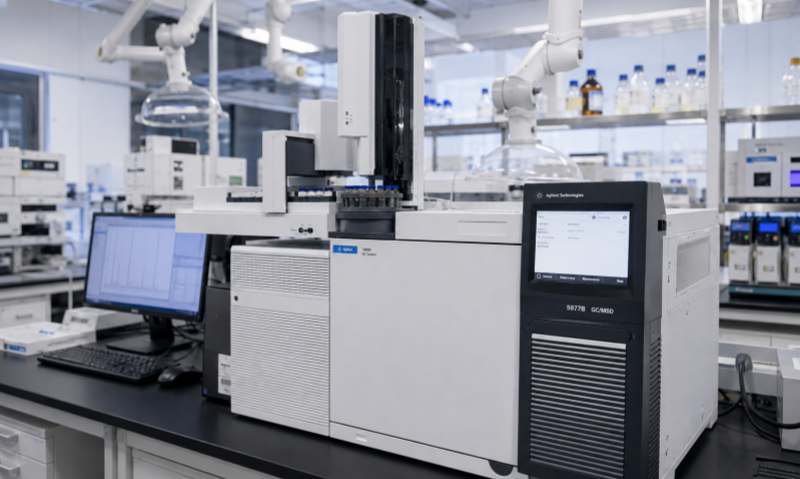
Gas chromatography (GC) is an important analytical technology widely used in pharmaceutical laboratories, chemical manufacturing, environmental monitoring, food safety testing, petrochemical analysis, and scientific research. A gas chromatograph separates and analyzes volatile compounds through a combination of carrier gas flow, sample injection, chromatographic columns, temperature control, and detector systems.
As a precision analytical instrument, a GC system requires stable operating conditions and regular technical maintenance. During long-term operation, problems may occur in the gas supply system, injection port, column, oven, detector, electronic pressure control system, and other components.
Understanding the essential repair points of a gas chromatograph can help laboratory technicians identify faults efficiently, reduce equipment downtime, and maintain analytical accuracy.
The gas supply system is one of the most important parts of a gas chromatograph. Carrier gas and detector gases directly influence instrument performance.
Common problems include insufficient gas pressure, unstable flow rates, gas leakage, and contaminated gas supplies.
Repair and inspection points:
Check gas cylinder pressure and regulator settings.
Inspect gas tubing, connectors, and fittings for leakage.
Check the condition of gas purification filters.
Verify carrier gas purity and supply requirements.
Inspect pressure regulators and electronic pressure control (EPC) systems.
If gas pressure fluctuates unexpectedly, first eliminate external supply problems before inspecting internal pressure control components.
Leak testing should be performed using an appropriate leak detector. Never use an open flame to identify gas leaks.
The injection port is responsible for introducing samples into the chromatographic system. Its condition directly affects sample vaporization and analytical reproducibility.
Common injection port problems include sample leakage, septum deterioration, liner contamination, and unstable injection performance.
Important maintenance procedures:
First, inspect the septum for wear, deformation, or leakage. Replace it when necessary.
Second, examine the injection liner for contamination, deposits, or physical damage. Clean or replace the liner according to the manufacturer's recommendations.
Third, inspect the injection port sealing components and confirm that the assembly is correctly installed.
For laboratories analyzing complex samples, injection port contamination may occur more frequently. Establishing an appropriate replacement schedule for consumables can help maintain consistent performance.
Always allow heated components to cool sufficiently before performing maintenance.
The chromatographic column is a critical component responsible for separating sample compounds.
Column-related abnormalities may include poor separation, peak tailing, broad peaks, retention time shifts, and increased baseline noise.
Common causes include:
Column contamination.
Stationary phase deterioration.
Incorrect column installation.
Oxygen or moisture contamination.
Excessive column temperature.
Unsuitable carrier gas flow.
During troubleshooting, inspect the column connection at both the injection port and detector.
Check whether the column has been installed at the correct insertion depth. Inspect the column ends for damage and trim them appropriately when necessary.
If contamination is suspected, follow the manufacturer's recommended column conditioning or cleaning procedures.
Do not exceed the column's maximum operating temperature.
The oven maintains the temperature conditions required for chromatographic separation.
Common faults include failure to reach the target temperature, slow heating, temperature fluctuations, and abnormal cooling performance.
Repair points include:
Verify the programmed temperature settings.
Inspect the temperature sensor and its connections.
Check heater operation.
Inspect the cooling fan and ventilation openings.
Examine the temperature control system.
If the displayed temperature differs significantly from the actual temperature, sensor calibration or replacement may be necessary.
Electrical heating components and internal control circuits should be inspected by qualified technicians.
Different GC detectors have different operating principles and maintenance requirements.
Flame Ionization Detector (FID):
Common problems include flame extinction, unstable signals, and detector contamination. Inspect the hydrogen, air, and makeup gas supplies according to the instrument configuration. Check the detector jet for contamination and clean it using approved procedures.
Thermal Conductivity Detector (TCD):
Abnormal signals may result from unstable gas flow, contaminated gas supplies, or damaged detector filaments. Inspect the gas supply and flow conditions before considering internal detector repair.
Electron Capture Detector (ECD):
ECD performance can be affected by contamination, gas purity, and detector condition. Follow the manufacturer's specific maintenance and safety requirements.
Detector disassembly and internal repairs should only be performed by appropriately trained service personnel.
Modern gas chromatographs commonly use electronic pressure control systems to regulate carrier gas and