
Consultation Hotline
+1 (302) 618-8777
+1 (302) 618-8777
In modern laboratories, the ultra-clean workbench (laminar flow hood) is one of the most critical pieces of contamination-control equipment. It is widely used in cell culture, microbiology, pharmaceutical preparation, and precision electronics. Because it relies on HEPA/ULPA filtration, stable airflow, and optical cleanliness of the working zone, even minor neglect can significantly shorten its lifespan or compromise its sterility performance.
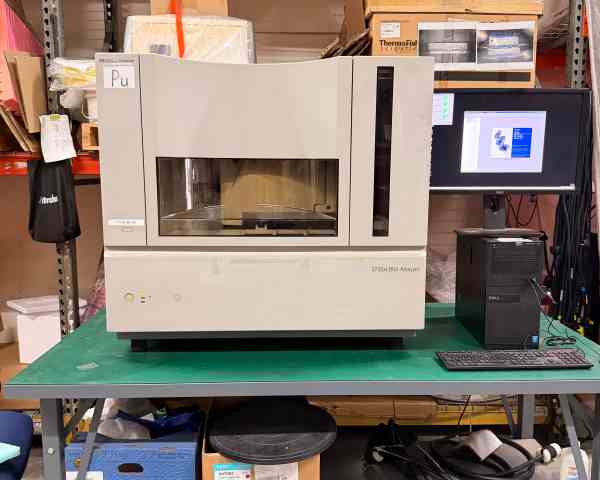
In 2026, as more laboratories purchase refurbished or used clean benches to reduce costs, proper maintenance has become even more important. A well-maintained unit can operate reliably for 8–15 years or more, while a poorly maintained one may fail within a few years due to airflow degradation, filter blockage, or fan system damage.
To extend the service life of a clean bench, maintenance must focus on five core areas: airflow system protection, HEPA filter management, surface cleanliness, UV sterilization control, and operational discipline.
The most important component of a laminar flow hood is its air circulation system, which drives HEPA-filtered air in a uniform, non-turbulent flow across the working surface. This airflow is what creates the sterile environment.
Over time, airflow systems degrade mainly due to dust accumulation, fan wear, and improper usage habits.
To extend system lifespan:
First, always ensure that the air intake area is not blocked. Many laboratories unknowingly place large instruments or storage items near the rear or top intake vents. This restricts airflow, increases fan load, and accelerates motor wear.
Second, avoid running the hood continuously when not in use. Extended unnecessary operation increases mechanical stress on blowers and reduces motor lifespan.
Third, monitor airflow stability. If you notice uneven airflow, turbulence, or weak laminar flow, it is often an early sign of fan degradation or filter resistance increase. According to biosafety maintenance guidelines, airflow performance should be checked regularly to ensure the cabinet remains within ISO clean air standards.
Proper airflow maintenance alone can significantly extend the operational life of the entire system.
The HEPA filter is the core protective barrier of a clean bench, typically capturing 99.97% of particles down to 0.3 microns. It ensures that the air entering the working zone is free of contaminants.
However, HEPA filters are also the most sensitive and expensive consumable part.
A major misconception is that filters can be “cleaned” or reused. In reality, HEPA filters cannot be washed or vacuumed without damaging the fiber matrix. Attempting to clean them reduces filtration efficiency and increases contamination risk.
Best practices include:
Replace pre-filters regularly. Pre-filters capture larger particles and protect the HEPA filter from early clogging. If pre-filters are neglected, the HEPA filter becomes overloaded prematurely.
Schedule HEPA inspection at least once per year, including airflow testing and leak detection. Many standards recommend replacement every 3–5 years depending on usage intensity.
Avoid operating the unit in dusty environments. Dust accelerates filter saturation and increases blower resistance, forcing the motor to work harder.
A clean and properly maintained filter system not only preserves sterility but also reduces energy consumption and mechanical stress on the system.
Although the clean bench provides sterile airflow, the internal surfaces of the cabinet are still exposed to contamination from operators and samples.
Improper cleaning is one of the fastest ways to shorten equipment life, especially in stainless steel chambers and airflow-sensitive zones.
To maintain the system properly:
Clean the work surface before and after every use using appropriate disinfectants such as 70% ethanol or approved laboratory disinfectants. This prevents buildup of organic residue that can corrode surfaces over time.
Avoid spraying disinfectant directly into air grilles or filters. Liquid ingress into the blower or filter housing can cause irreversible damage.
Perform deep cleaning weekly or monthly depending on usage intensity. This includes cleaning corners, removing trays if possible, and wiping internal side panels.
Keep the workspace uncluttered. Overloading the bench disrupts laminar airflow and increases contamination risk, which indirectly leads to more frequent cleaning cycles and wear.
Proper cleaning discipline not only ensures sterility but also reduces physical wear on internal surfaces.
Many clean benches are equipped with UV-C germicidal lamps for surface sterilization. While UV light is useful, improper use can significantly reduce equipment lifespan.
The main risks are:
Overuse of UV lamps can degrade internal plastics, seals, and even electrical insulation over time. UV exposure is cumulative and irreversible.
UV lamps should never be used while the operator is working inside the hood. This is not only unsafe but also unnecessary.
Best practice is to use UV sterilization only as a pre-use or post-use disinfection step, typically for 15–30 minutes depending on manufacturer recommendations.
Additionally, UV bulbs lose intensity over time and should be replaced regularly, even if they still appear to be functioning. Weak UV output creates a false sense of sterility.
Used correctly, UV systems extend cleanliness; used incorrectly, they shorten equipment lifespan.
Environmental conditions have a major impact on clean bench longevity, especially in tropical or high-humidity regions.
High humidity can cause condensation inside airflow systems, leading to microbial growth or corrosion of metal components. Dust-heavy environments can rapidly clog pre-filters and reduce airflow efficiency.
To extend lifespan:
Maintain stable temperature and humidity in the laboratory. Ideal conditions are typically around 20–25°C and 40–60% relative humidity.
Avoid placing the unit near windows, doors, or air-conditioning vents that create unstable airflow patterns.
Reduce vibration exposure. Continuous vibration can misalign blower components and reduce HEPA sealing performance.
Good environmental control reduces mechanical stress and prevents premature aging of both filters and electronics.
Even with perfect maintenance, improper user behavior can shorten equipment lifespan dramatically.
Operators should always follow strict usage discipline:
Do not block airflow with large objects or excessive equipment inside the hood.
Do not store chemicals or unnecessary materials inside the working chamber.
Always allow the airflow system to stabilize for several minutes before beginning sensitive work.
Avoid rapid hand movements that disrupt laminar airflow patterns.
These practices not only improve experimental accuracy but also reduce strain on the airflow system, helping extend equipment life.
Extending the lifespan of a clean bench is not dependent on a single maintenance action, but rather a combination of consistent airflow protection, disciplined filter management, proper cleaning routines, controlled UV usage, stable environmental conditions, and correct operator behavior.
In 2026 laboratories, where cost efficiency and sustainability are increasingly important, maintaining a laminar flow hood properly is both a scientific necessity and an economic strategy. A well-maintained unit can provide many years of stable sterile performance, while neglect can quickly turn a high-precision instrument into a costly liability.
Ultimately, the key principle is simple: clean benches do not fail suddenly—they fail gradually through neglect. Preventive maintenance is always cheaper than replacement.