Consultation Hotline
+1 (302) 618-8777
+1 (302) 618-8777
In 2026, the global demand for used and refurbished laboratory equipment continues to rise, especially in the United States where biotech startups, academic institutions, and pharmaceutical companies are increasingly relying on cost-efficient instrumentation. Among all types of analytical instruments traded in the secondary market, spectrometers and spectrophotometers remain some of the most sensitive, valuable, and widely used tools.
However, one of the most common and costly mistakes in laboratories today is neglecting proper maintenance and calibration of spectrometers, particularly when purchasing used or refurbished equipment. While price and availability are often the primary focus in equipment procurement, the long-term performance of a spectrometer depends far more on routine maintenance, optical cleanliness, environmental control, and calibration discipline.
This article explains why spectrometer maintenance is critical, what can go wrong when it is ignored, and how laboratories in 2026 can protect their investment in both new and used instruments.
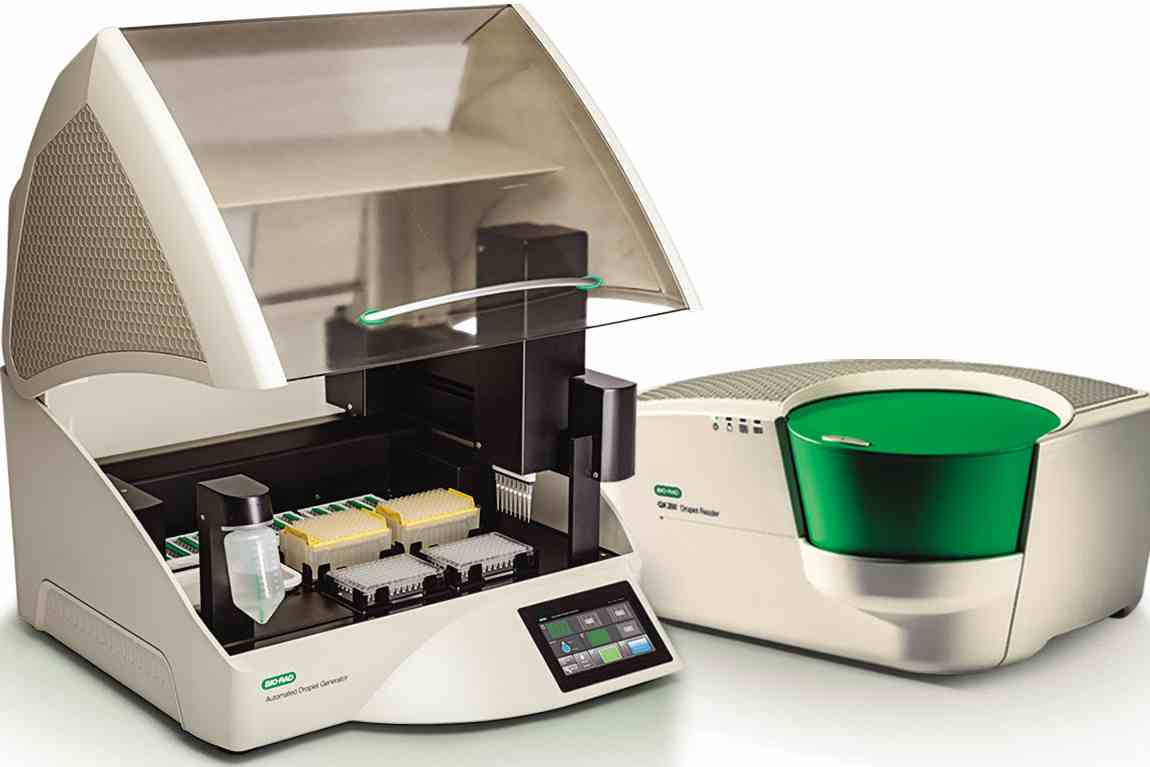
Spectrometers are precision optical instruments designed to measure light intensity across wavelengths. Whether used in UV-Vis spectroscopy, infrared analysis, atomic absorption, or emission spectroscopy, their accuracy depends on stable optical alignment, clean components, and correct calibration.
In the used equipment market, spectrometers often change hands multiple times. Even if a unit is refurbished, its long-term reliability still depends on how well it is maintained after deployment.
Modern research standards require extremely high accuracy. Even minor issues such as dust on optical windows, lamp aging, or wavelength drift can significantly distort results. According to best laboratory practices, optical instruments must be routinely cleaned, verified, and calibrated to ensure consistent data quality and reproducibility. (Optical Scientific)
In short, a spectrometer is not a “set-and-forget” instrument—it is a continuously evolving system that requires structured care.
When spectrometer maintenance is ignored, problems tend to appear gradually rather than suddenly. This makes them especially dangerous in research environments where errors may go unnoticed for weeks or months.
Dust, fingerprints, or residue inside sample compartments and on cuvettes can obstruct the light path, leading to inaccurate absorbance readings and unstable baselines. Even small contamination can introduce significant analytical errors.
Over time, optical components such as diffraction gratings and monochromators may shift slightly due to vibration, temperature changes, or mechanical wear. This causes wavelength calibration drift, leading to incorrect spectral peak positions.
Light sources in spectrometers (deuterium, tungsten, xenon lamps) degrade with usage hours. As lamp intensity declines, signal-to-noise ratio drops and measurement accuracy suffers.
Temperature fluctuations and humidity can cause condensation on optical components, affecting transmission and reflection accuracy. Stable operating environments are essential for precision measurements.
Used instruments that have been shipped or relocated may suffer from subtle misalignment of optical paths, especially if not properly secured during transport.
Proper spectrometer maintenance is not complicated, but it must be consistent and structured. The following practices are considered industry standards in 2026.
Optical surfaces such as lenses, mirrors, and windows should be cleaned using lint-free materials and approved cleaning solutions. Harsh chemicals must be avoided to prevent coating damage. Dust removal should be performed regularly to maintain optical clarity.
Sample containers must be cleaned after every use. Residual chemicals can interfere with future measurements, causing false absorbance peaks or scattering errors.
Operators should avoid introducing liquids directly into the sample compartment. Spills can block the optical path and lead to long-term instrument damage.
Regular inspection of cables, connectors, and moving components helps identify early signs of wear and prevents unexpected breakdowns.
Spectrometers should be stored in controlled environments:
Temperature: stable, typically 15–25°C
Humidity: moderate (40–60%)
No direct sunlight or vibration exposure
These conditions help prevent condensation and optical degradation.
Even a perfectly clean spectrometer will not produce accurate results without proper calibration.
Calibration ensures that the instrument’s measurements match known reference standards. This includes:
Wavelength accuracy
Photometric accuracy
Baseline stability
Linearity of response
Regular calibration is essential because all spectrometers experience gradual drift over time, especially in used or refurbished systems.
Industry guidelines recommend frequent calibration checks, sometimes daily in high-precision environments, to ensure reliable data output.
Calibration is typically performed using:
Certified reference lamps
Standard absorption materials
Known spectral line sources
Manufacturer-provided calibration kits
Without calibration, even small deviations can lead to incorrect chemical identification or concentration measurement errors.
In 2026 laboratory practice, maintenance schedules generally follow a tiered structure:
Basic calibration check
Sample chamber cleaning
Quick optical inspection
Deep cleaning of cuvettes and external optics
Baseline stability verification
Full performance validation
Wavelength accuracy checks
Environmental inspection
Professional servicing
Full recalibration certification
Replacement of aging components (lamps, seals, etc.)
Annual servicing is especially important for used equipment, which may already have unknown wear history.
While used laboratory equipment offers major cost advantages, spectrometers require extra caution.
Even refurbished instruments may have subtle degradation in mirrors, gratings, or detectors that only becomes visible under long-term use.
Many second-hand instruments do not come with full calibration logs, making performance validation essential upon installation.
Shipping can slightly shift optical alignment, which may not be obvious without diagnostic testing.
Older spectrometers may require updates or recalibration after software changes.
Because of these risks, laboratories must perform acceptance testing and baseline calibration immediately after purchase.
To maximize instrument lifespan and protect investment, laboratories should adopt the following strategies:
Maintain a strict cleaning and calibration log
Use only certified calibration standards
Avoid environmental fluctuations
Train operators in proper handling techniques
Schedule preventive maintenance rather than reactive repairs
Store instruments in protective enclosures when not in use
These practices not only improve accuracy but also significantly extend equipment lifespan.
In the rapidly expanding 2026 used laboratory equipment market, spectrometers remain among the most powerful yet sensitive analytical tools. However, their value depends entirely on how well they are maintained.
Neglecting spectrometer maintenance—especially calibration and optical cleanliness—can lead to inaccurate results, wasted research time, and costly instrument failure. Whether a laboratory uses new or refurbished equipment, consistent care is not optional; it is essential for scientific reliability.
Ultimately, the success of any spectroscopic analysis depends not only on the quality of the instrument itself, but on the discipline of its maintenance routine. In modern laboratories, maintenance is accuracy.
If you want, I can also:
Rewrite this as an SEO blog for a lab equipment company
Translate it into Chinese
Or tailor it specifically for HPLC / GC / mass spectrometry users