
Consultation Hotline
+1 (302) 618-8777
+1 (302) 618-8777
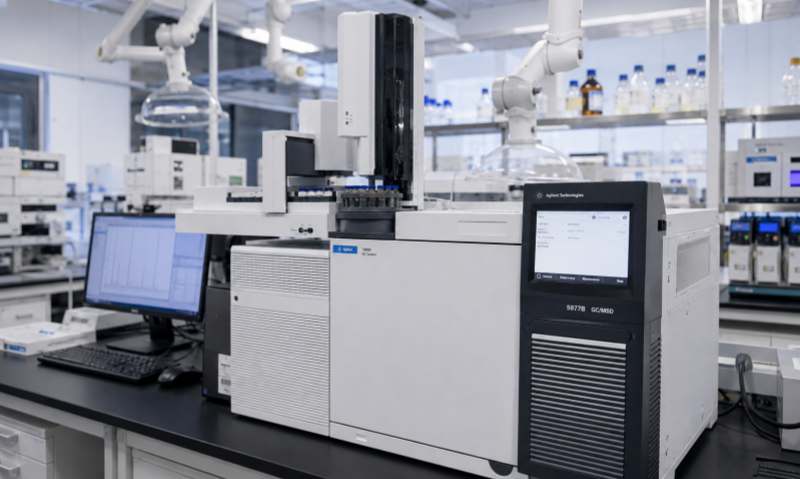
Proper installation of a Gas Chromatography (GC) system is essential to ensure safe operation, stable performance, and accurate analytical results. A well-controlled installation environment and standardized setup procedures can significantly reduce instrument failures and improve long-term reliability.
First, the laboratory environment must meet basic requirements. The GC system should be installed in a clean, dry, and vibration-free area with stable temperature and humidity. Ideally, the temperature should be maintained between 20–25°C, and relative humidity should be below 70%. Strong airflow, direct sunlight, and corrosive gases should be avoided, as they may affect detector stability and electronic components.
Gas supply is one of the most critical installation factors. High-purity carrier gases such as helium, hydrogen, or nitrogen must be used depending on the application. Gas purity should generally be 99.999% or higher. All gas lines must be equipped with appropriate regulators, moisture traps, oxygen traps, and in-line filters to prevent contamination. Gas cylinders should be securely fixed to prevent tipping hazards.
The installation of gas tubing must follow strict standards. Stainless steel or Teflon tubing is recommended to avoid adsorption or leakage. All connections should be leak-tested using approved methods such as soap solution or electronic leak detectors. Even minor leaks can significantly affect baseline stability and detector sensitivity.
Electrical requirements are also important. The GC system should be connected to a stable power supply with proper grounding. Voltage fluctuations can damage electronic modules or cause data instability. In many laboratories, an uninterruptible power supply (UPS) is recommended to protect the system from sudden power outages.
Ventilation and safety systems must also be considered. Depending on the detector type (such as FID or TCD), proper exhaust ventilation is required to safely remove combustion gases or carrier gas emissions. Hydrogen detectors must be installed with strict safety protocols to prevent leakage hazards.
Finally, proper instrument calibration and system conditioning are necessary after installation. The column should be installed correctly without stress or bending, and the system must be conditioned at appropriate temperatures to stabilize the stationary phase. Baseline stability checks, leak tests, and performance verification should be completed before routine analysis begins.
In summary, GC installation standards involve environmental control, high-purity gas supply, leak-free tubing, stable power, proper ventilation, and systematic conditioning. Following these requirements ensures safe operation and reliable chromatographic performance.