
Consultation Hotline
+1 (302) 618-8777
+1 (302) 618-8777
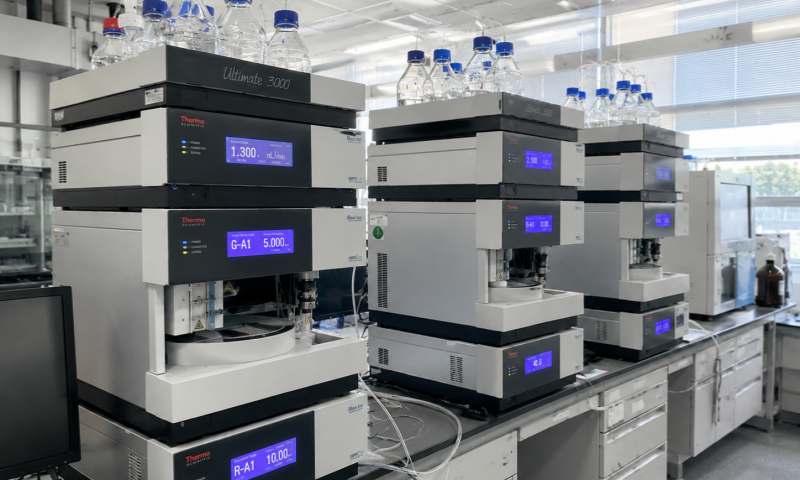
Laboratory ultrasonic transducers are important components in ultrasonic cleaners, ultrasonic processors, sonication systems, and other laboratory equipment. They convert electrical energy into high-frequency mechanical vibrations, allowing ultrasonic energy to be transferred into a liquid or sample. They are widely used for cleaning laboratory glassware, dispersing particles, cell disruption, emulsification, extraction, degassing, and sample preparation. Because transducers operate under continuous vibration and sometimes demanding thermal and chemical conditions, performance degradation or failure can occur over time. Understanding the most common problems and their troubleshooting methods is essential for maintaining stable ultrasonic performance.
One of the most common problems is a noticeable reduction in ultrasonic output. The equipment may still operate, but the liquid produces weak cavitation, vibration becomes irregular, or cleaning and dispersion efficiency decreases significantly.
Several factors can cause this problem. The most common include loose electrical connections, degraded piezoelectric elements, incorrect operating frequency, excessive loading, poor contact between the transducer and its mounting surface, or deterioration of the bonding layer. In ultrasonic cleaning equipment, insufficient liquid level or an unsuitable cleaning solution can also reduce energy transmission.
The first troubleshooting step is to disconnect the power and inspect the electrical connections. Check connectors, cables, terminals, and grounding points for looseness, oxidation, or damage. If the electrical system is normal, inspect the transducer mounting area. A loose transducer or damaged bonding layer can prevent ultrasonic energy from being efficiently transferred.
Operators should also verify that the liquid level and operating conditions comply with the equipment specifications. If the transducer itself has suffered internal piezoelectric degradation, professional testing or replacement may be required.
Another common failure is abnormal noise accompanied by excessive heating. Under normal conditions, an ultrasonic transducer produces high-frequency vibration, but it should not generate severe mechanical noise, burning odors, or unusually high temperatures.
Possible causes include frequency mismatch, excessive electrical power, mechanical loosening, cracked piezoelectric elements, aging adhesives, or prolonged operation beyond the rated duty cycle. Continuous operation at excessive power can cause heat accumulation and accelerate the aging of internal components.
To troubleshoot this problem, first switch off the equipment and allow it to cool completely. Inspect the transducer housing, mounting structure, cables, and surrounding components for visible damage. Check whether mounting bolts or mechanical connections have become loose. If the system provides frequency or power settings, verify that they correspond to the manufacturer's recommended operating range.
It is also important to check cooling conditions. Ultrasonic systems should not be operated without sufficient heat dissipation when cooling is required. If abnormal heating continues after the operating parameters are corrected, the transducer or generator may require professional electrical testing.
A more serious condition occurs when the ultrasonic system produces no detectable vibration or ultrasonic effect. The equipment may power on normally, but the transducer does not function.
Possible causes include an open or shorted piezoelectric element, damaged cables, failed connectors, generator malfunction, internal insulation breakdown, or severe mechanical damage to the transducer.
Troubleshooting should begin with the power supply and control system. Confirm that the ultrasonic generator is receiving the correct input voltage and that relevant switches, fuses, and protection devices are functioning normally. Next, inspect the cable and connector between the generator and transducer. A damaged cable or loose connector can completely interrupt energy transmission.
If the external electrical connections are normal, qualified technicians can use appropriate electrical instruments to test the transducer according to the manufacturer's specifications. Measurements should be performed only after the equipment has been safely disconnected from power. Abnormal resistance, capacitance, insulation, or resonance characteristics may indicate damage to the piezoelectric assembly.
Preventive maintenance is the best way to reduce ultrasonic transducer failures. Avoid operating the equipment above its rated power or temperature. Maintain appropriate liquid levels, keep electrical connectors clean and dry, and regularly inspect mounting components for looseness. Chemical compatibility should also be considered because aggressive solvents or cleaning solutions may damage seals, adhesives, or protective coatings.
Operators should establish a maintenance schedule that includes checking ultrasonic output, operating temperature, cables, connectors, mounting structures, and generator parameters. Any abnormal noise, vibration, temperature increase, or output reduction should be investigated promptly rather than ignored.
In conclusion, reduced ultrasonic power, abnormal heating or noise, and complete loss of ultrasonic output are three common laboratory ultrasonic transducer failures. Systematic inspection of the power supply, electrical connections, mechanical mounting, operating parameters, and transducer condition can help identify the underlying problem efficiently. Correct operation and regular preventive maintenance can improve ultrasonic performance, extend transducer service life, and reduce unexpected laboratory equipment downtime.