
Consultation Hotline
+1 (302) 618-8777
+1 (302) 618-8777
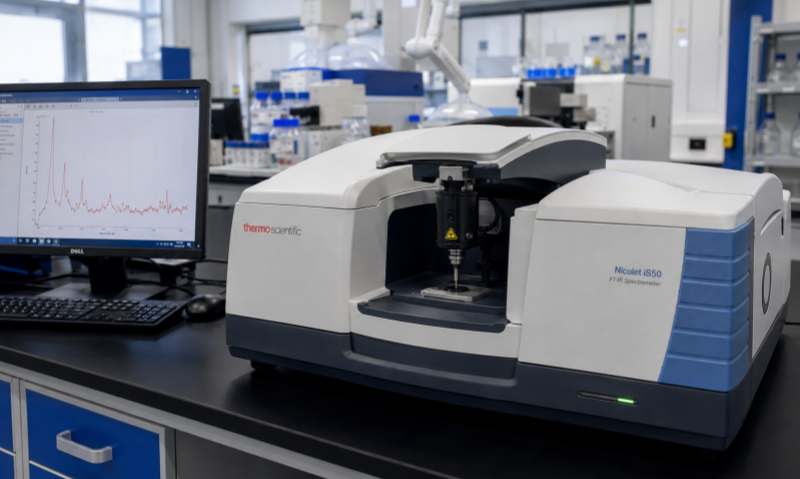
A UV fluorescence sulfur analyzer is a specialized analytical instrument widely used for determining the sulfur content in liquid, gas, and certain solid samples. It is valued for its high sensitivity, rapid analysis, and relatively simple sample preparation. The instrument is commonly used in petroleum, petrochemical, natural gas, environmental monitoring, chemical manufacturing, pharmaceutical research, and quality-control laboratories. Understanding its application range, operating principle, and common failures is essential for obtaining reliable sulfur measurements and maintaining instrument performance.
The UV fluorescence sulfur analyzer generally determines sulfur by converting sulfur-containing compounds in the sample into sulfur dioxide under high-temperature oxidation conditions. The generated sulfur dioxide enters a reaction or detection chamber and is exposed to ultraviolet radiation.
Under UV excitation, sulfur dioxide molecules become excited and subsequently return to a lower energy state, releasing characteristic fluorescence. The intensity of this fluorescence is proportional to the concentration of sulfur dioxide and, under appropriate analytical conditions, to the sulfur concentration in the original sample.
The detector converts the fluorescence signal into an electrical signal, which is processed by the instrument's electronic system and software to calculate the sulfur concentration. Because the method provides high sensitivity and a relatively wide analytical range, it is suitable for both low-level sulfur analysis and routine quality control.
UV fluorescence sulfur analyzers are widely used in petroleum and petrochemical laboratories. They can be used to determine sulfur in gasoline, diesel, kerosene, lubricating oils, crude oil, fuel oils, and other petroleum products. Sulfur measurement is important because excessive sulfur can contribute to corrosion, catalyst poisoning, and air pollution.
In natural gas and chemical laboratories, the technique can also be applied to sulfur-containing gases and chemical products when the instrument configuration and applicable analytical standard are appropriate. Environmental laboratories use sulfur analysis to monitor fuels and industrial materials associated with sulfur emissions.
The instrument is also useful in quality-control laboratories, research institutions, and industrial production facilities where rapid and repeatable sulfur measurement is required.
One common problem is an unstable fluorescence signal or a signal significantly lower than expected. Possible causes include insufficient sample introduction, poor combustion efficiency, contaminated reaction components, reduced UV lamp performance, or a dirty optical path.
The operator should first check the sample injection system, gas flow, combustion conditions, and reagent or carrier-gas supply. If these parameters are normal, inspect the UV lamp and optical components according to the manufacturer's maintenance procedure. Accumulated deposits in the combustion or detection system can also affect signal transmission and should be cleaned using approved procedures.
Another common problem is excessive background signal or unexpectedly high sulfur readings. Potential causes include contamination, leakage, incorrect calibration, unstable gas flow, or residual sulfur-containing materials in the sample pathway.
The instrument should first be checked for contamination and leaks. Gas lines, fittings, sample injection components, and combustion tubes should be inspected carefully. A blank test can help determine whether the problem originates from the instrument or the sample.
If the blank response is abnormally high, the system may require cleaning before recalibration. Calibration standards should also be checked for proper concentration, storage condition, and expiration.
Poor repeatability can result from inconsistent sample injection, unstable carrier-gas flow, temperature fluctuations, contaminated sample pathways, or improper calibration.
Operators should confirm that the sample volume and injection procedure are consistent. Gas pressure and flow should remain within the specified range. The combustion temperature should also reach and maintain the required operating condition before analysis begins.
If repeatability remains poor, inspect the injector, tubing, combustion system, and detector for contamination or mechanical problems. Recalibration using appropriate certified standards may be necessary.
Routine maintenance is critical for stable sulfur analysis. The combustion tube, sample introduction system, gas lines, optical components, and detector area should be inspected according to the manufacturer's recommended schedule. Gas purity is also important because contaminants can increase background noise and affect measurement accuracy.
Before daily operation, the operator should check gas pressure, leaks, instrument temperature, baseline stability, and calibration status. After analysis, appropriate cleaning and shutdown procedures should be followed.
In conclusion, UV fluorescence sulfur analyzers provide sensitive and efficient sulfur determination across a wide range of petroleum, chemical, environmental, and industrial applications. Problems such as low signal, high background, and poor repeatability can often be traced to sample introduction, contamination, gas flow, combustion conditions, optical components, or calibration. A systematic troubleshooting process combined with regular maintenance can improve analytical accuracy, extend instrument service life, and ensure reliable laboratory quality control.