
Consultation Hotline
+1 (302) 618-8777
+1 (302) 618-8777
Centrifuges are critical yet high-risk instruments in laboratories. Proper maintenance and timely troubleshooting are essential for operational safety and data accuracy. This guide outlines common failure modes and basic repair methods, emphasizing that complex electrical or refrigeration issues should be handled by qualified technicians.
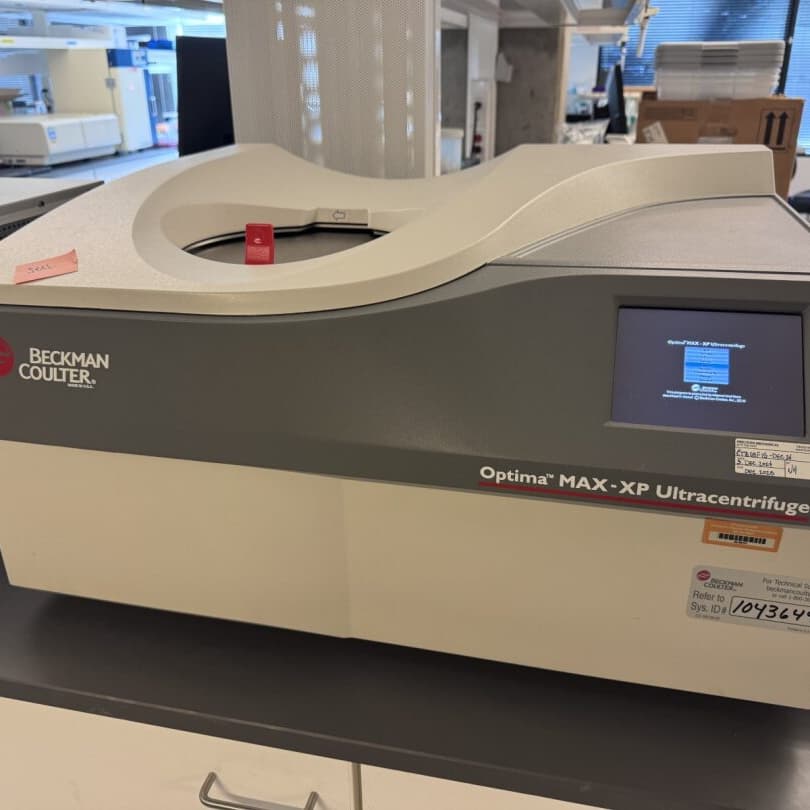
Symptoms: No response after power-on, display dead or unlit.
Basic Troubleshooting:
Power Check: Verify the power cord, plug, and socket for damage; ensure the voltage is stable.
Safety Interlock: Confirm the lid is fully closed and the door lock mechanism is engaged. Clean any debris obstructing the latch.
Fuse/Component Check: Inspect and replace blown fuses. For older brushed motors, check if carbon brushes are severely worn (exceeding 1/3) and replace them.
Advanced Alert: If the motor hums but doesn't spin, the start capacitor or motor windings may be faulty. This requires professional repair.
Symptoms: Speed fluctuates or plateaus below the set value.
Basic Troubleshooting:
Load Balance: Ensure tubes are symmetrically loaded with weight differences <0.1g.
Brush/Commutator (Brushed Motors): Check for excessive sparking. Clean commutator oxide with fine sandpaper and ensure brush contact is proper.
Drive Belt: For belt-drive models, check for looseness or wear; adjust tension or replace if cracked.
Professional Service Needed: If the issue persists, it may involve faulty speed sensors, control boards, or internal motor faults.
Primary Cause: Load Imbalance. This is the most common user-induced fault.
Basic Troubleshooting:
Rebalance Load: Ensure all opposing buckets/tubes are within the manufacturer's specified weight tolerance. Use blank tubes for counterbalancing if necessary.
Leveling: Place the centrifuge on a stable, level surface and adjust the leveling feet.
Rotor Inspection: Check for obvious rotor cracks, deformation, or loose rotor nuts. Never use a damaged rotor.
Mechanical Issues: Persistent vibration indicates potential bent shafts or worn bearings, requiring immediate professional service.
Grinding/Scraping: Likely caused by foreign objects in the chamber, a misaligned rotor rubbing against the housing, or severely worn bearings.
Action: Stop immediately. Inspect the chamber for broken glass or debris. Manually rotate the rotor to feel for roughness or grinding in the bearings.
Squealing (Belt-Drive): Often indicates a loose or glazed drive belt needing adjustment or replacement.
Symptoms: Temperature does not drop or is unstable.
Basic Maintenance:
Condenser Cleaning: Clean clogged condenser fins (air-cooled) or check for scale in heat exchangers (water-cooled). Restricted airflow is a common cause of poor performance.
Door Seal: Check the integrity of the door gasket. A damaged seal allows warm air ingress.
Professional Repair: If basic cleaning fails, the issue likely involves refrigerant leaks, compressor failure, or sensor/control board faults. Do not attempt to recharge refrigerant without certification.
Basic Checks:
Reset: Perform a power cycle (turn off, wait 30 seconds, restart).
Sensor Check: Ensure temperature or speed sensors are not visibly damaged or disconnected.
Error Codes: Refer to the user manual. Common codes relate to imbalance, overspeed, or sensor failure. Persistent control board issues require professional diagnosis.
Slow Deceleration/No Braking: Check brake setting (if adjustable). For electromagnetic brakes, failure may indicate a faulty brake coil or circuit.
Professional Service: Mechanical brake wear or complex electronic brake control faults need expert attention.
Inspection: Before each use, visually inspect for corrosion, cracks, or signs of fatigue. Check the manufacturer's recommended lifespan (often based on running hours or years).
Cleaning: Clean spills immediately with mild detergent and dry thoroughly to prevent corrosion. Never run a rotor that has been dropped or impacted.
Critical Rule: Never override or disable the lid safety lock. Operating with an open or unsecured lid is extremely hazardous. If the door won't close, check for obstructions or a faulty latch mechanism.
|
Frequency |
Maintenance Task |
|---|---|
|
Daily/Pre-use |
Check rotor for damage, ensure proper balance, verify lid locks securely. |
|
Weekly |
Wipe down exterior and chamber; check for unusual noises/vibrations. |
|
Monthly |
Clean condenser fins (refrigerated models); inspect drive belts (if applicable). |
|
Annually |
Professional Service: Calibration, bearing inspection, electrical safety check, and performance validation. |
Power Down: Always disconnect the power cord before any internal inspection (except basic external cleaning).
Hazard Awareness: Assume all surfaces are contaminated if used with biohazards. Wear appropriate PPE.
Know Your Limits: Basic user maintenance is limited to cleaning, visual inspection, and load balancing. Internal electrical, refrigeration, and high-speed rotational components must be serviced by authorized personnel.
Disclaimer: This guide is for informational purposes. Always prioritize the manufacturer's specific operation and service manuals. Incorrect repairs can lead to catastrophic rotor failure.