Consultation Hotline
+1 (302) 618-8777
+1 (302) 618-8777
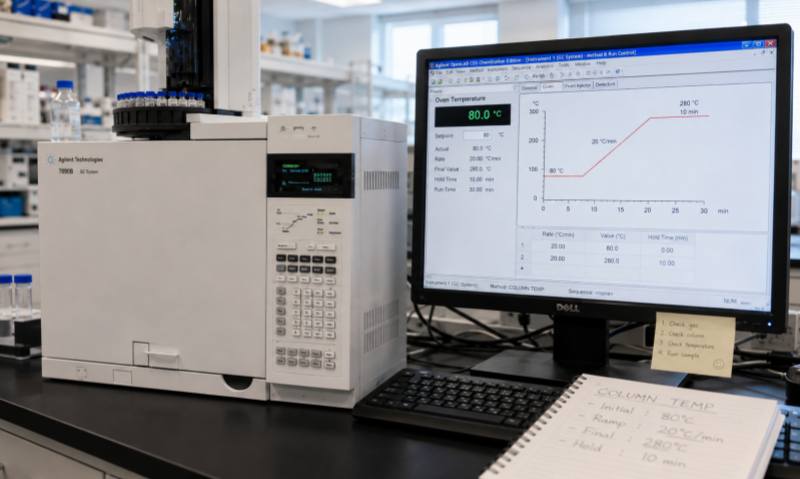
Gas chromatography (GC) is widely used in pharmaceutical research, chemical analysis, environmental monitoring, food safety testing, petrochemical laboratories, and many other scientific applications. As a precision analytical instrument, a gas chromatograph requires stable operating conditions, reliable gas supplies, accurate temperature control, and proper maintenance to ensure consistent analytical performance.
During routine operation, a GC system may experience various abnormalities, including unstable baseline signals, abnormal pressure, peak distortion, retention time shifts, temperature fluctuations, and detector failures. If these problems are not addressed promptly, they may affect analytical accuracy, reduce instrument reliability, and interrupt laboratory operations.
This article introduces common gas chromatograph abnormalities, their possible causes, troubleshooting procedures, and maintenance recommendations.
An unstable baseline is one of the most common problems encountered during GC operation. It may appear as random signal fluctuations, continuous baseline drift, or periodic noise.
Possible causes:
Contaminated carrier gas or detector gases.
Leaks in gas lines or fittings.
Contaminated injection port or liner.
Aging or contaminated chromatographic column.
Detector contamination or malfunction.
Unstable laboratory temperature or electrical interference.
Troubleshooting methods:
First, check the purity and supply pressure of the carrier gas. Ensure that gas purification traps are functioning properly and replace them if necessary.
Next, inspect gas connections, fittings, and tubing for leaks using an appropriate leak detector. Check the injection port liner and replace it if contamination is suspected.
If the baseline remains unstable, inspect the column condition and detector. For FID systems, accumulated deposits around the detector jet may interfere with flame stability and signal quality.
After maintenance, allow the GC system to stabilize under the recommended operating conditions before performing another analytical run.
Carrier gas pressure and flow rate directly influence chromatographic separation, retention times, and analytical reproducibility.
Abnormal pressure readings may include unexpectedly high pressure, insufficient pressure, or pressure fluctuations.
Common causes include:
Insufficient gas cylinder pressure.
Incorrect pressure regulator settings.
Blocked gas filters or tubing.
Loose connections or gas leaks.
Damaged electronic pressure control (EPC) components.
Incorrect column dimensions or configuration settings.
Maintenance procedures:
Check the gas cylinder pressure and regulator settings first. Confirm that the carrier gas supply is sufficient for the analytical method.
Inspect gas filters, tubing, and connectors for blockage or leakage. If the instrument uses an electronic pressure control system, verify the configured gas type, column dimensions, and operating parameters.
If the pressure remains unstable after external gas supply problems have been eliminated, further inspection of the EPC system may be required by a qualified service technician.
Peak shape is an important indicator of GC system performance. Common abnormalities include tailing peaks, fronting peaks, split peaks, and excessively broad peaks.
Peak tailing may result from active sites in the injection liner, contaminated column surfaces, poor column installation, or sample interactions with the analytical system.
Peak fronting may indicate sample overload, excessive injection volume, or unsuitable injection conditions.
Split peaks can be caused by incorrect column installation, poor injection technique, or problems with the injection port.
Broad peaks may result from excessive dead volume, inappropriate carrier gas flow, column deterioration, or unsuitable temperature conditions.
To troubleshoot these issues, inspect the injection port, septum, liner, and column connections. Confirm that the column is installed at the correct depth according to the manufacturer's instructions.
Also review sample concentration, injection volume, split ratio, and carrier gas flow settings. Replacing contaminated consumables is often an effective first step.
Retention time instability can seriously affect qualitative identification and quantitative analysis.
Common causes include:
Changes in carrier gas flow.
Inconsistent oven temperature.
Gas leakage.
Column aging or contamination.
Changes in sample composition.
Incorrect instrument method parameters.
Check the oven temperature program and carrier gas flow settings. Verify that the instrument has reached thermal equilibrium before analysis.
If retention time shifts occur repeatedly, compare the current method parameters with the original validated method. Check for changes in column dimensions, gas type, pressure settings, and flow configuration.
The GC column oven must maintain accurate and stable temperatures to ensure reproducible chromatographic separation.
Typical problems include failure to reach the target temperature, slow heating, temperature fluctuations, or abnormal cooling performance.
Potential causes include:
Faulty temperature sensors.
Heater or cooling system malfunction.
Damaged electrical connections.
Blocked ventilation openings.
Incorrect temperature program settings.
Instrument control system faults.
Check the programmed temperature conditions and ensure that the oven ventilation system is unobstructed.
If the actual temperature differs significantly from the setpoint, the temperature sensor, heater, cooling components, and associated control circuits should be inspected by qualified personnel.
Different GC detectors have different maintenance requirements.
For flame ionization detectors (FID), common problems include flame extinction, unstable signals, and contamination of the detector jet.
For thermal conductivity detectors (TCD), abnormal signals may be associated with gas flow instability, contamination, or filament-related problems.
For electron capture detectors (ECD), contamination and gas purity are particularly important considerations.
During detector maintenance, follow the manufacturer's procedures. Allow the detector to cool when required, shut down relevant gas supplies safely, and avoid damaging sensitive components.
Never disassemble a detector while it is operating or pressurized.
Regular maintenance is essential for extending the service life of a gas chromatograph and maintaining analytical reliability.
Recommended maintenance activities include:
| Maintenance Component | Recommended Action |
|---|---|
| Gas supply | Check purity, pressure, and regulator condition |
| Gas filters | Inspect and replace according to service requirements |
| Injection septum | Replace when worn or contaminated |
| Injection liner | Inspect and clean or replace when necessary |
| Chromatographic column | Inspect, condition, and replace when required |
| Gas connections | Perform routine leak checks |
| Detector | Inspect and clean according to manufacturer procedures |
| Oven | Verify temperature accuracy and stability |
| Electrical system | Inspect connections and instrument status |
| Software and methods | Verify method settings and maintain backups |
Maintenance frequency should be determined by instrument usage, sample characteristics, laboratory operating conditions, and manufacturer recommendations.
Some GC abnormalities can be resolved through routine laboratory maintenance. However, persistent faults involving EPC modules, detector electronics, temperature control circuits, communication systems, or other internal components may require professional technical support.
Repeated baseline instability, unexplained pressure fluctuations, persistent temperature errors, and detector failures should not be ignored.
Attempting repairs without appropriate technical knowledge may introduce additional problems or compromise instrument safety.
Professional inspection and preventive maintenance can help laboratories identify potential failures early, reduce unexpected downtime, and improve instrument reliability.
Abnormal gas chromatograph maintenance requires a systematic approach that combines fault identification, technical inspection, appropriate troubleshooting, and preventive care.
From baseline instability and gas pressure abnormalities to peak distortion, retention time shifts, and detector failures, understanding the underlying causes is essential for restoring normal instrument performance.
Regular maintenance, correct operating procedures, and timely professional repair support can signifi