
Consultation Hotline
+1 (302) 618-8777
+1 (302) 618-8777
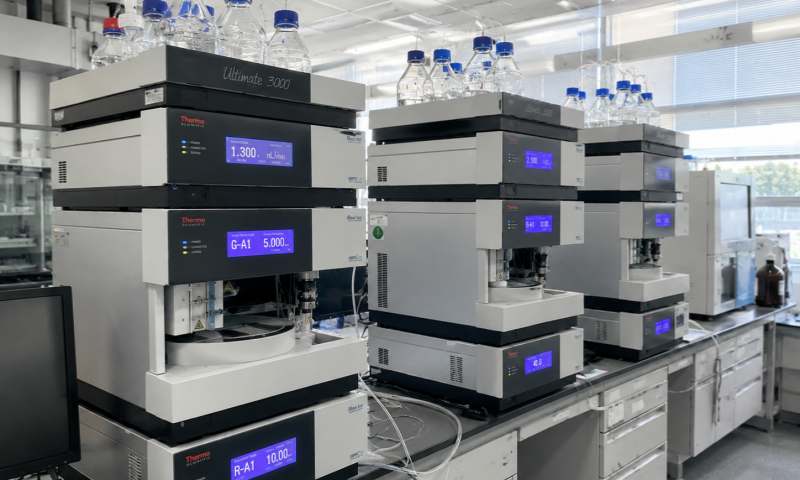
High-performance liquid chromatography (HPLC) is one of the most widely used analytical techniques in pharmaceutical research, chemical testing, food safety, environmental monitoring, and biotechnology laboratories. It provides reliable separation, identification, and quantification of compounds in complex samples.
An HPLC system typically consists of a solvent delivery pump, autosampler, sample injection valve, analytical column, detector, and data processing software. Because these components work together, a fault in any part of the system may affect analytical performance.
During routine operation, laboratories may encounter problems such as unstable pressure, pump leakage, abnormal baseline signals, poor peak shapes, retention time shifts, and insufficient column pressure. Understanding these common faults and their solutions is essential for maintaining instrument performance and reducing downtime.
Pump pressure instability is one of the most common HPLC problems. It may appear as pressure fluctuations, sudden pressure drops, or abnormal pressure increases.
Possible causes:
Air bubbles in the pump head.
Insufficient mobile phase supply.
Blocked solvent inlet filters.
Damaged pump seals.
Check valve contamination.
Solvent leakage.
Incorrect mobile phase preparation.
Solutions:
First, check the solvent reservoirs and confirm that sufficient mobile phase is available. Inspect the inlet filters for contamination and clean or replace them when necessary.
Next, purge the pump to remove trapped air. If pressure remains unstable, inspect the pump seals and check valves.
For persistent problems, the pump head and related components may require professional inspection.
Mobile phase leakage may occur around pump seals, fittings, tubing connections, and the injector.
Common causes:
Aging or damaged pump seals.
Loose fittings.
Incorrect tubing installation.
Excessive system pressure.
Worn injection valve components.
Troubleshooting methods:
Inspect the pump head, tubing connections, and injector for visible leakage.
Tighten fittings according to the manufacturer's instructions. Avoid excessive tightening because it may damage threads or ferrules.
If leakage continues around the pump head, inspect the piston seals and replace worn components using the appropriate maintenance procedure.
Never operate the instrument with significant solvent leakage, particularly when using hazardous mobile phases.
Unexpectedly high HPLC pressure may indicate a blockage somewhere in the flow path.
Potential causes include:
Blocked inline filters.
Contaminated guard columns.
Clogged analytical columns.
Blocked tubing or capillaries.
Precipitation in the mobile phase.
Excessively viscous solvents.
Solutions:
Check the system pressure with the column bypassed, following the manufacturer's recommended procedure. This helps determine whether the restriction is located in the column or another part of the flow path.
Inspect inline filters and guard columns. Replace cont