
Consultation Hotline
+1 (302) 618-8777
+1 (302) 618-8777
Current location:Home > Product > Biological Instruments > PCR
PRODUCT CATEGORY
Related Articles
Detailed Introduction
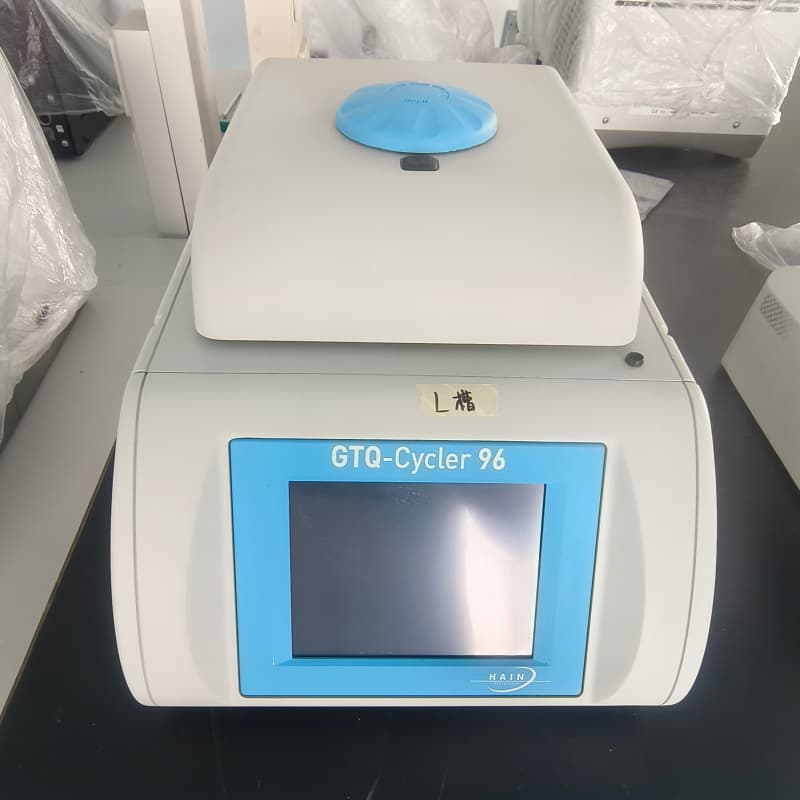
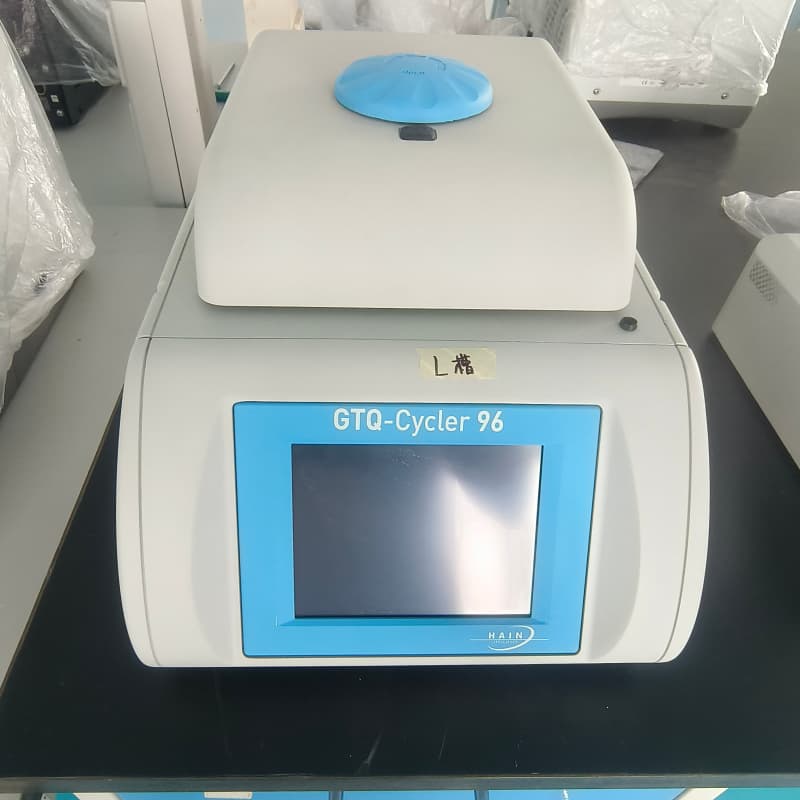
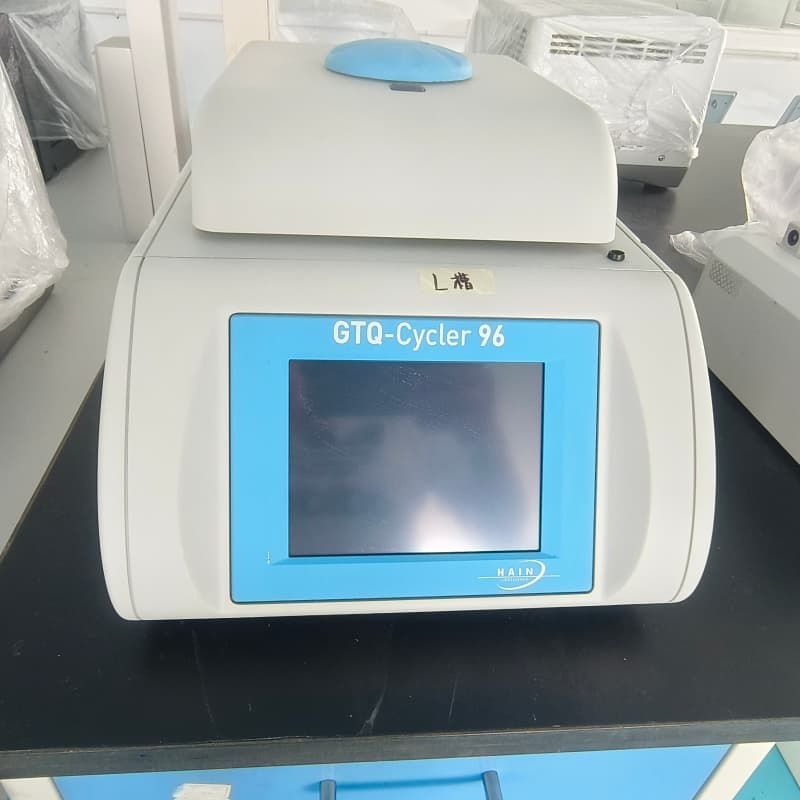
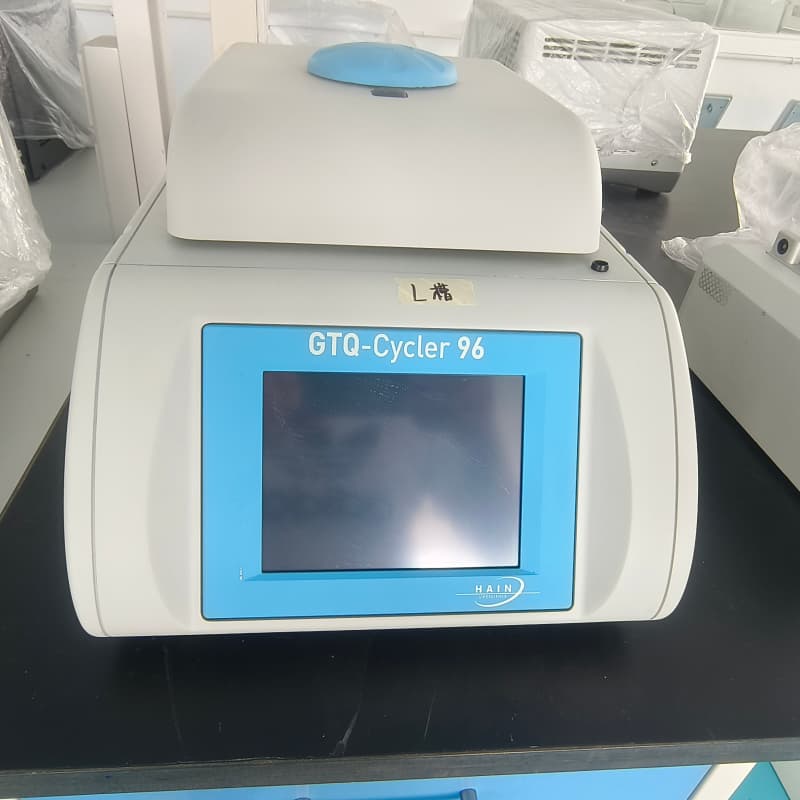
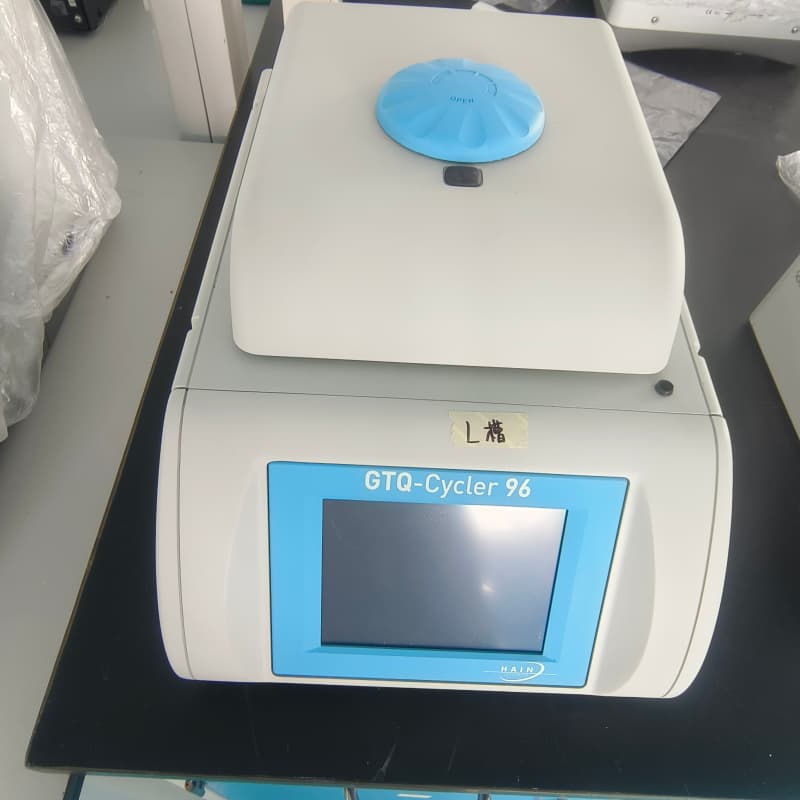
The GTO Cycle 96 Thermal Cycler is a laboratory PCR thermal cycling instrument designed for molecular biology research, biotechnology applications, clinical research, pharmaceutical development, and academic laboratories. It is intended to provide controlled temperature cycling for polymerase chain reaction (PCR) experiments, allowing researchers to amplify specific DNA sequences through repeated cycles of denaturation, annealing, and extension.
PCR is one of the most widely used techniques in modern molecular biology. It plays an important role in genetic analysis, pathogen detection, DNA identification, gene cloning, and molecular diagnostic research. A reliable thermal cycler is essential for maintaining accurate temperature conditions throughout the amplification process.
The Cycle 96 designation suggests a 96-position sample format, commonly used for processing multiple PCR samples in a single experimental run. This format can help laboratories improve sample throughput and organize routine molecular biology workflows.
The GTO Cycle 96 Thermal Cycler is intended for laboratories requiring programmable temperature control and repeatable PCR operation. Researchers can configure temperature steps, cycle numbers, and holding times according to their experimental protocols.
A 96-position PCR format is widely used in molecular biology laboratories because it allows multiple samples to be processed simultaneously. This configuration is suitable for routine PCR experiments, genetic testing research, and sample screening.
Compared with processing individual samples separately, a 96-well format can improve laboratory efficiency and simplify sample management.
PCR amplification requires three fundamental temperature stages:
Denaturation: DNA double strands separate into single strands at high temperatures.
Annealing: Primers bind to their complementary target sequences at a lower temperature.
Extension: DNA polymerase synthesizes new DNA strands.
The thermal cycler repeatedly performs these temperature transitions according to the programmed protocol.
Different PCR applications require different temperature profiles. A programmable thermal cycler allows researchers to establish protocols according to primer characteristics, DNA templates, polymerase specifications, and experimental objectives.
Typical PCR protocols include initial denaturation, repeated amplification cycles, final extension, and temperature holding.
The GTO Cycle 96 can be positioned for routine PCR workflows, including DNA amplification, gene analysis, genetic research, molecular cloning, and biotechnology experiments, subject to confirmation of its actual specifications and compatibility.
The 96-sample format is suitable for laboratories processing multiple samples in parallel. It can support research workflows in universities, biotechnology companies, pharmaceutical laboratories, and molecular biology research centers.
|
Parameter |
Specification |
|---|---|
|
Manufacturer |
GTO (to be verified) |
|
Model |
Cycle 96 |
|
Product Name |
GTO Cycle 96 Thermal Cycler |
|
Instrument Type |
PCR Thermal Cycler |
|
Application |
Polymerase Chain Reaction |
|
Sample Format |
96-position format (to be verified) |
|
Sample Capacity |
96 samples (to be verified) |
|
Temperature Range |
To be verified |
|
Maximum Heating Rate |
To be verified |
|
Maximum Cooling Rate |
To be verified |
|
Temperature Accuracy |
To be verified |
|
Temperature Uniformity |
To be verified |
|
Temperature Gradient |
To be verified |
|
Temperature Control |
Programmable |
|
Cycle Programming |
To be verified |
|
Display Type |
To be verified |
|
Heated Lid |
To be verified |
|
Supported Consumables |
To be verified |
|
Dimensions |
To be verified |
|
Weight |
To be verified |
|
Power Requirements |
To be verified |
Note: This is a preliminary product specification table, not a verified manufacturer datasheet. The actual configuration should be confirmed using the instrument nameplate and official manual.
The GTO Cycle 96 Thermal Cycler can be used in several molecular biology research areas, depending on its verified configuration.
DNA Amplification: PCR technology enables researchers to amplify specific DNA fragments for downstream analysis and molecular experiments.
Genetic Research: Thermal cycling is an essential part of gene identification, genetic variation studies, and DNA-based research.
Biotechnology Development: PCR supports gene cloning, recombinant DNA research, and other biotechnology workflows.
Pharmaceutical Research: Molecular biology laboratories use PCR techniques in drug development research, biological sample analysis, and genetic investigations.
Academic Research: Universities and scientific institutions use thermal cyclers for teaching, experimental training, and molecular biology research projects.
Proper maintenance is essential for maintaining PCR instrument performance and experimental reproducibility.
First, regularly clean the sample block and surrounding surfaces to prevent contamination from PCR reagents and biological samples.
Second, inspect the heated lid and sample block to ensure that tubes or plates are correctly positioned during operation.
Third, periodically verify temperature accuracy and uniformity using appropriate calibration equipment and procedures.
Fourth, avoid using incompatible PCR tubes or plates, as incorrect consumables may affect thermal contact and amplification results.
Finally, keep the instrument in a clean, dry, and well-ventilated laboratory environment. Follow the manufacturer's maintenance recommendations and arrange professional servicing when temperature fluctuations or abnormal operating conditions occur.
The GTO Cycle 96 Thermal Cycler is a potential solution for laboratories seeking a programmable PCR instrument with a 96-sample processing format. Its intended application in molecular biology makes it relevant to DNA amplification, genetic research, biotechnology development, and routine PCR workflows.
For laboratories considering used laboratory instruments, a professionally inspected thermal cycler may provide a cost-effective alternative to purchasing new equipment.
Before purchasing, buyers should verify temperature accuracy, heating and cooling performance, sample block condition, heated-lid operation, software functionality, and completion of representative PCR testing.
GTO Cycle 96 Thermal Cycler – Supporting Efficient PCR Workflows and Reliable Molecular Biology Research.
Product Inquiry